Dual Diagnosis Support
When substance use and mental health challenges co-occur, we treat both simultaneously.
“Our integrated approach ensures coordinated care that addresses the complete picture of your health.”
- Concurrent Mental Health Treatment
- Psychiatric Collaboration
- Holistic Recovery Planning

When Addiction and Mental Health Intertwine
Both Conditions, Together
Psychiatry & Therapy
We understand that addiction and mental health conditions often influence each other — each making the other harder to manage. This connection is more common than you might think, and recognizing it is the first step toward effective treatment.
“Nearly half of individuals with a mental health disorder will experience substance use challenges at some point — and the same is true in reverse. Our integrated approach addresses both conditions together, leading to better outcomes than treating them separately.”
Comprehensive Co-Occurring
Disorder Treatment
Our dual diagnosis program addresses both substance use disorders and mental health conditions that commonly co-occur.
- Alcohol use disorder
- Drug addiction (prescription & illicit)
- Polysubstance abuse
- Addiction cycling patterns
- Depression
- Anxiety disorders
- PTSD and trauma
- Bipolar disorder
- Borderline personality disorder
How Our Dual Diagnosis
Program Works
Our integrated approach ensures comprehensive treatment that addresses the full scope of each individual's needs.
Integrated Assessment
Comprehensive psychiatric and addiction evaluation to understand the full scope of each individual's needs and develop a coordinated treatment plan.
Medication Management
Board-certified psychiatrist oversight for appropriate psychotropic medications to support mental health stability during recovery.
Simultaneous Treatment
Both conditions are treated concurrently rather than separately, addressing how each affects the other for more effective outcomes.
Therapeutic Modalities
Combination of individual therapy, group processing, and experiential therapies tailored to address co-occurring disorders.
Skills Development
Coping strategies, emotional regulation techniques, and relapse prevention skills specific to managing both addiction and mental health.
Discharge Planning
Comprehensive aftercare planning that ensures continuity of mental health care alongside addiction recovery support.
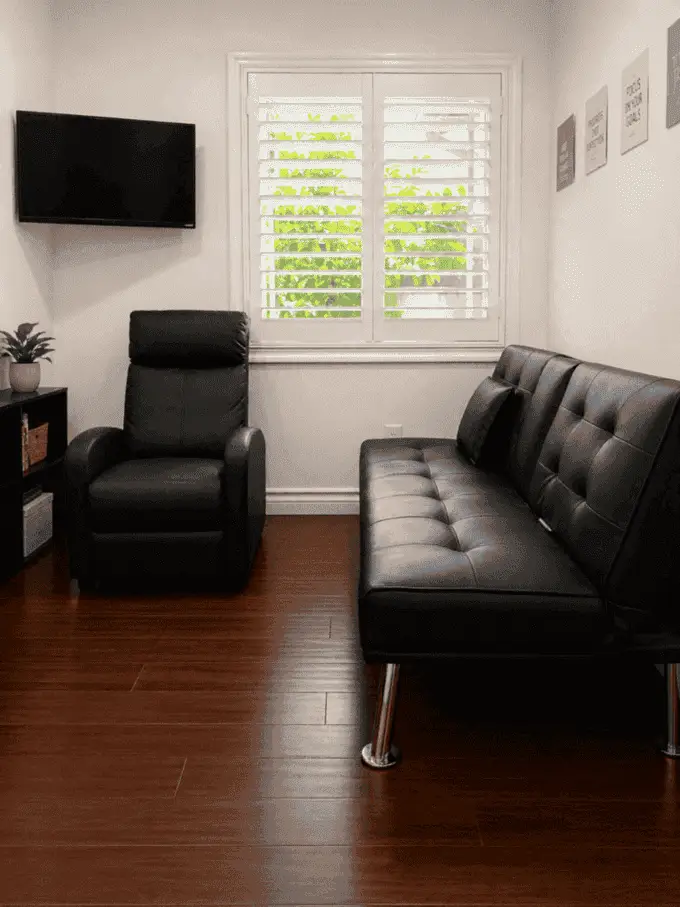
A Safe, Supportive Environment
Every aspect of our facility is designed to minimize triggers and support focus on healing — quiet shared spaces, calming natural light, and intentional rhythms throughout the day.
Evidence-Based Therapies
Our dual diagnosis program incorporates multiple therapeutic modalities proven effective for co-occurring disorders.
Cognitive Behavioral Therapy (CBT)
Address thought patterns affecting both addiction and mood.
Dialectical Behavior Therapy (DBT)
Build emotional regulation and distress tolerance skills.
Trauma-Focused Therapy
Process trauma that often underlies both addiction and mental health issues.
Acceptance & Commitment Therapy
Develop psychological flexibility and values-based action.
Motivational Enhancement
Strengthen commitment to recovery and mental health management.
Family Systems Therapy
Address family dynamics affecting both conditions.
Benefits of Integrated Treatment
Better Outcomes
Research shows integrated treatment produces higher success rates than sequential treatment.
Coordinated Care
Mental health and addiction providers work together on a unified treatment plan.
Addresses Root Causes
Treats underlying issues that drive both conditions rather than managing symptoms separately.
Reduced Relapse Risk
Skills to manage mental health symptoms reduce the likelihood of using substances to cope.
What to Expect During
Dual Diagnosis Treatment
A coordinated path from comprehensive assessment through long-term recovery planning.
- 01
Comprehensive Assessment
Our clinical team conducts a detailed psychiatric and substance use evaluation to better understand your needs and treatment goals.
- 02
Coordinated Treatment Planning
A personalized treatment plan is created to address both mental health and substance use concerns simultaneously.
- 03
Integrated Therapeutic Support
Clients participate in individual therapy, group therapy, psychiatric support, and skill-building activities within a structured healing environment.
- 04
Ongoing Recovery Planning
As treatment progresses, we develop long-term recovery strategies, aftercare planning, and continued mental health support.
Frequently Asked Questions
Ready to Begin Integrated Healing & Recovery?
Our admissions team is available 24/7 to answer questions, discuss treatment options, and help determine whether Dual Diagnosis Support services are appropriate for your needs.