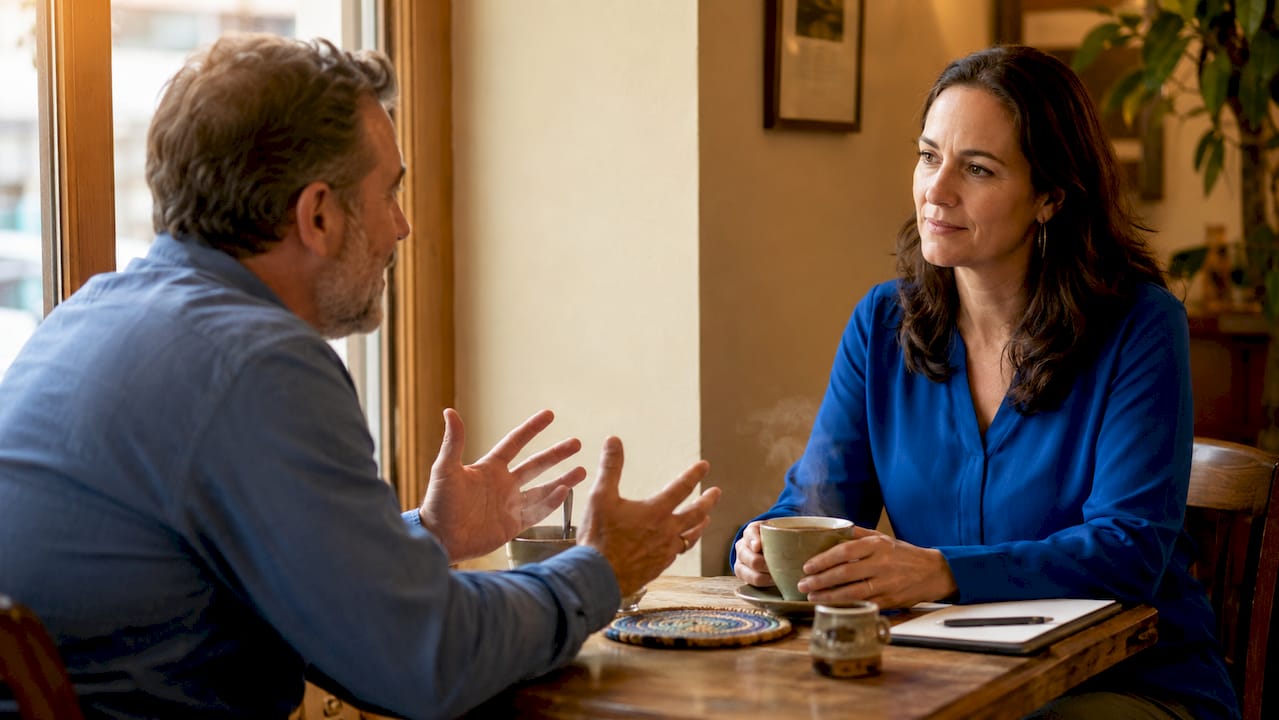
Compassionate care in addiction rehabilitation is defined as a structured, evidence-based treatment model that prioritizes patient safety, dignity, and individualized support across every stage of recovery. The term “patient-centered care” is the recognized clinical standard for this approach, and the best examples of compassionate care rehab approaches go far beyond staff kindness. They operationalize empathy through trauma-informed policies, multidisciplinary teams, and measurable engagement strategies. Programs like NYU Langone Health’s addiction treatment model and the CLARO collaborative care trial demonstrate that genuine compassion is built into program design, not just bedside manner.
1. What are trauma-informed compassionate care approaches in rehab?
Trauma-informed care is the most credible foundation for compassionate rehab, and SAMHSA’s framework defines it through six core principles: safety, trustworthiness, peer support, collaboration, empowerment, and cultural sensitivity. These principles are not aspirational values posted on a wall. They are operational standards applied from intake paperwork to aftercare planning.
In practice, a trauma-informed program creates physical and psychological safety by designing intake spaces that feel private and non-threatening. Transparency means staff explain every step of the treatment process so patients never feel blindsided. Peer support involves connecting new patients with people who have lived experience in recovery, not just licensed clinicians.

Empowerment and cultural considerations are equally concrete. Programs train staff to use non-stigmatizing language, offer culturally specific counseling options, and give patients real choices about their care plans. Comprehensive trauma-informed care requires organizational commitment to policies, staff training, and environment design to prevent re-traumatization at every touchpoint.
Pro Tip: When evaluating a rehab program, ask specifically about their trauma-informed training protocols and intake environment. A program that cannot describe its policies in concrete terms is likely using “compassionate” as a marketing claim rather than an operational standard.
2. How multidisciplinary teams deliver individualized addiction care
NYU Langone Health’s addiction treatment program is one of the clearest real-world examples of multidisciplinary compassionate care. Their model integrates board-certified addiction psychiatrists, licensed therapists, peer advocates, and family counselors into a single coordinated team built around each patient’s assessment.
The team-based structure matters because addiction rarely exists in isolation. A patient managing opioid use disorder alongside depression needs a psychiatrist adjusting medication, a therapist addressing trauma, and a peer advocate modeling recovery. No single clinician can cover all three roles effectively. Multidisciplinary teams eliminate the gaps.
Key components of this model include:
- Thorough intake assessments that identify co-occurring mental health conditions alongside substance use history
- Medication-assisted treatment (MAT) using FDA-approved medications like buprenorphine or naltrexone as part of a broader care plan
- Individual and group therapy modalities including cognitive behavioral therapy and motivational interviewing
- Family involvement through structured family counseling sessions that rebuild trust and communication
- Flexible delivery across inpatient and outpatient settings to match the patient’s life circumstances
Family involvement and peer advocacy in these programs improve trust, engagement, and recovery outcomes by creating genuine support communities around the patient. That community effect is one of the most undervalued elements in addiction care.
3. What operationalized compassion looks like in collaborative care models
The CLARO randomized clinical trial is the strongest research example of compassion built into a replicable system. The CLARO collaborative care model deployed trained care managers who provided motivational interviewing, tracked symptoms, and coordinated with psychiatrists over six months for patients with opioid use disorder and co-occurring mental illness.
What makes this model distinct is its structure. Compassion is not left to individual staff personality. It is encoded in scheduled outreach, standardized symptom monitoring tools, and defined escalation pathways to psychiatric oversight. A patient who misses an appointment receives a proactive follow-up call, not a note in their file.
The operational steps in the CLARO model follow a clear sequence:
- Care manager assignment at intake, giving each patient a consistent point of contact throughout treatment
- Motivational interviewing training for care managers, ensuring every patient conversation builds intrinsic motivation rather than compliance
- Scheduled check-in visits at defined intervals to maintain engagement and catch early warning signs of relapse
- Symptom monitoring using validated tools to track mental health alongside substance use progress
- Psychiatrist collaboration for medication review and clinical decision-making when care managers identify concerns
Collaborative care compassion is measurable and reproducible, which is precisely what separates it from traditional empathy defined as more counseling time without structured follow-up.
Pro Tip: Ask any program you are considering whether their care managers use validated symptom monitoring tools and have defined check-in schedules. Structured follow-up is the difference between a program that cares and one that proves it.
4. Examples of holistic, patient-centered compassionate rehab practices
Patient-centered addiction care blends scientific evidence with flexible, individualized support that treats the whole person rather than the substance use alone. This approach recognizes that lasting recovery requires addressing mental health, trauma history, cultural identity, and practical life barriers simultaneously.
Holistic rehab practices in this category include:
- Integrated mental health care that treats depression, anxiety, PTSD, and addiction concurrently rather than sequentially, since untreated mental health conditions are a primary driver of relapse
- Flexible scheduling and telehealth options that remove access barriers for patients with work obligations, childcare responsibilities, or transportation limitations
- Cultural sensitivity training for all clinical staff, with access to counselors who share a patient’s cultural or linguistic background when possible
- Peer-led support groups facilitated by individuals in sustained recovery, which normalize the recovery process and reduce shame more effectively than clinician-led groups alone
- Stigma reduction through language by replacing terms like “addict” or “substance abuser” with person-first language such as “person with a substance use disorder”
Compassionate treatment recognizes unique patient strengths, integrates mental health and trauma considerations, and creates psychological safety as a foundation for lasting recovery. The goal is not just sobriety. It is a transformed relationship with self and community.
You can explore individualized treatment programs that apply these principles in a structured residential setting to see how holistic care translates into daily practice.
5. Comparison of compassionate rehab approaches: key features and suitability
Choosing the right approach depends on the specific needs, history, and circumstances of the person seeking care. The four major models covered in this article each have distinct strengths.
| Approach | Core Method | Best Suited For |
|---|---|---|
| Trauma-informed care | Systemic safety policies, staff training, empowerment at every touchpoint | Anyone with trauma history or prior negative treatment experiences |
| Multidisciplinary team model | Coordinated psychiatrists, therapists, peer advocates, and family counselors | Complex cases with co-occurring mental health and substance use disorders |
| Collaborative care (CLARO model) | Scheduled outreach, motivational interviewing, symptom monitoring | Patients at high risk of dropout or those needing structured accountability |
| Holistic patient-centered care | Integrated mental health, cultural sensitivity, telehealth, peer support | Individuals facing access barriers or needing culturally specific care |
No single approach is universally superior. The most effective programs, including those with dual diagnosis support, combine elements from all four models. A patient with opioid use disorder and PTSD benefits from trauma-informed intake policies, a multidisciplinary clinical team, structured follow-up, and peer support simultaneously.
Families evaluating programs should look for evidence of all four components rather than treating them as separate options. The presence of just one signals a partial approach. The presence of all four signals a program built for real recovery.
Key takeaways
Compassionate rehab care works because it operationalizes empathy through trauma-informed policies, multidisciplinary teams, structured follow-up, and whole-person treatment rather than relying on interpersonal kindness alone.
| Point | Details |
|---|---|
| Trauma-informed care is systemic | Programs must embed safety and empowerment into policies and environment, not just staff interactions. |
| Multidisciplinary teams close care gaps | Psychiatrists, therapists, peer advocates, and family counselors together address the full complexity of addiction. |
| Structured follow-up prevents dropout | Scheduled outreach and symptom monitoring, as in the CLARO model, sustain engagement more reliably than open-door counseling. |
| Holistic care addresses the whole person | Integrating mental health, cultural sensitivity, and peer support produces more durable recovery outcomes. |
| Ask for specifics, not promises | Programs that describe concrete protocols are more credible than those using compassion as a general marketing claim. |
What I’ve learned about choosing genuinely compassionate rehab programs
After years of writing about addiction treatment and speaking with families navigating this process, the single most common mistake I see is confusing warmth with structure. A staff member who is kind during a tour is not evidence of a compassionate program. A written trauma-informed policy, a documented care manager assignment process, and a clear protocol for what happens when a patient misses an appointment. Those are evidence.
The CLARO trial changed how I think about this. The idea that compassion can be measured, scheduled, and replicated across a clinical team is not cold or mechanical. It is the most respectful thing a program can do for a patient. It says: your recovery matters enough that we built a system around it, not just a feeling.
Families often ask me how to tell the difference between authentic compassionate care and marketing language. My answer is always the same. Ask the program what happens on day two when the patient is scared and wants to leave. Ask what the care manager does when a patient stops responding to calls. The answer to those two questions tells you everything about whether compassion is a value or a policy.
Programs like Sylmar Treatment Center, with its six-bed setting and Joint Commission accreditation, represent what operationalized compassion looks like at the residential level. Small caseloads are not a luxury. They are a structural commitment to the kind of individualized attention that the research consistently supports.
— Jevan
Compassionate addiction recovery at Sylmar Treatment Center
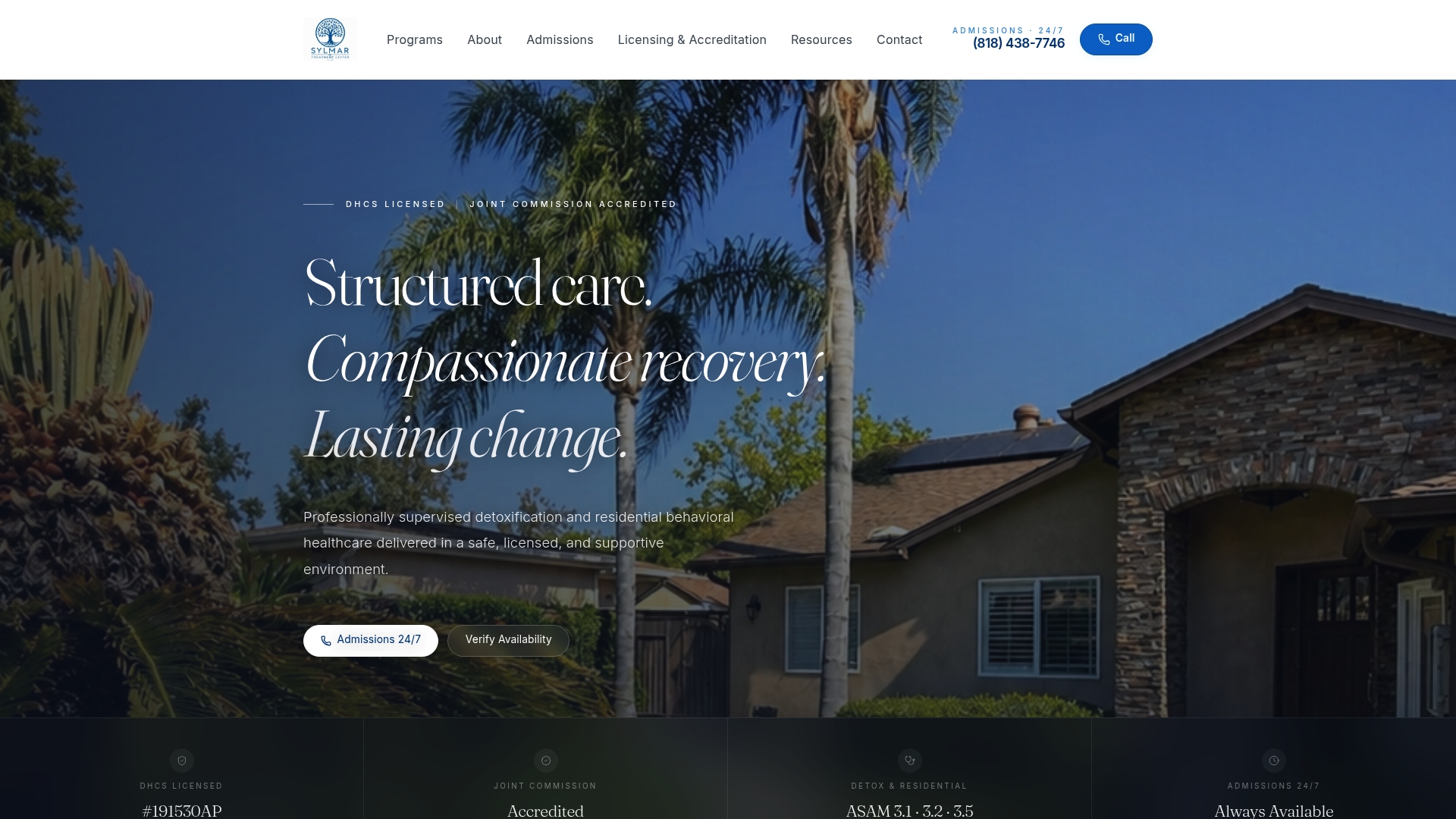
Sylmar Treatment Center delivers the kind of personalized, evidence-based care this article describes, built into every aspect of its program. The center’s intimate six-bed setting means each client receives a custom care plan developed through thorough assessment, not a standardized protocol applied to everyone. The clinical team addresses both substance use and co-occurring mental health disorders through medical detox, residential treatment, and medication management options. Sylmar holds both a DHCS license and Joint Commission accreditation, giving families a verifiable quality standard rather than a promise. Admissions support is available 24/7. If you are ready to explore a program built around genuine, structured compassion, contact Sylmar Treatment Center today.
FAQ
What does a compassionate rehab approach mean?
A compassionate rehab approach is a structured treatment model that prioritizes patient safety, dignity, and individualized care through trauma-informed policies, multidisciplinary teams, and evidence-based interventions. It goes beyond staff kindness to embed empathy into program design and clinical protocols.
How is trauma-informed care different from regular rehab?
Trauma-informed care applies SAMHSA’s six core principles, including safety, empowerment, and cultural sensitivity, across every program touchpoint from intake to aftercare. Standard rehab programs may offer therapy without the systemic policies needed to prevent re-traumatization.
What is the CLARO model in addiction treatment?
The CLARO trial tested a collaborative care model where trained care managers used motivational interviewing, scheduled check-ins, and psychiatrist coordination over six months for patients with opioid use disorder. It demonstrates that structured compassionate engagement reduces dropout and improves outcomes.
Why does a multidisciplinary team matter in compassionate care?
A multidisciplinary team ensures that addiction, mental health, family dynamics, and peer support are addressed simultaneously rather than in sequence. Programs like NYU Langone Health’s model show that coordinated team care produces better engagement and recovery results than single-clinician treatment.
How can families identify a genuinely compassionate rehab program?
Ask programs to describe their trauma-informed training protocols, their care manager assignment process, and their response plan when a patient disengages. Concrete, specific answers indicate operationalized compassion rather than marketing language.