
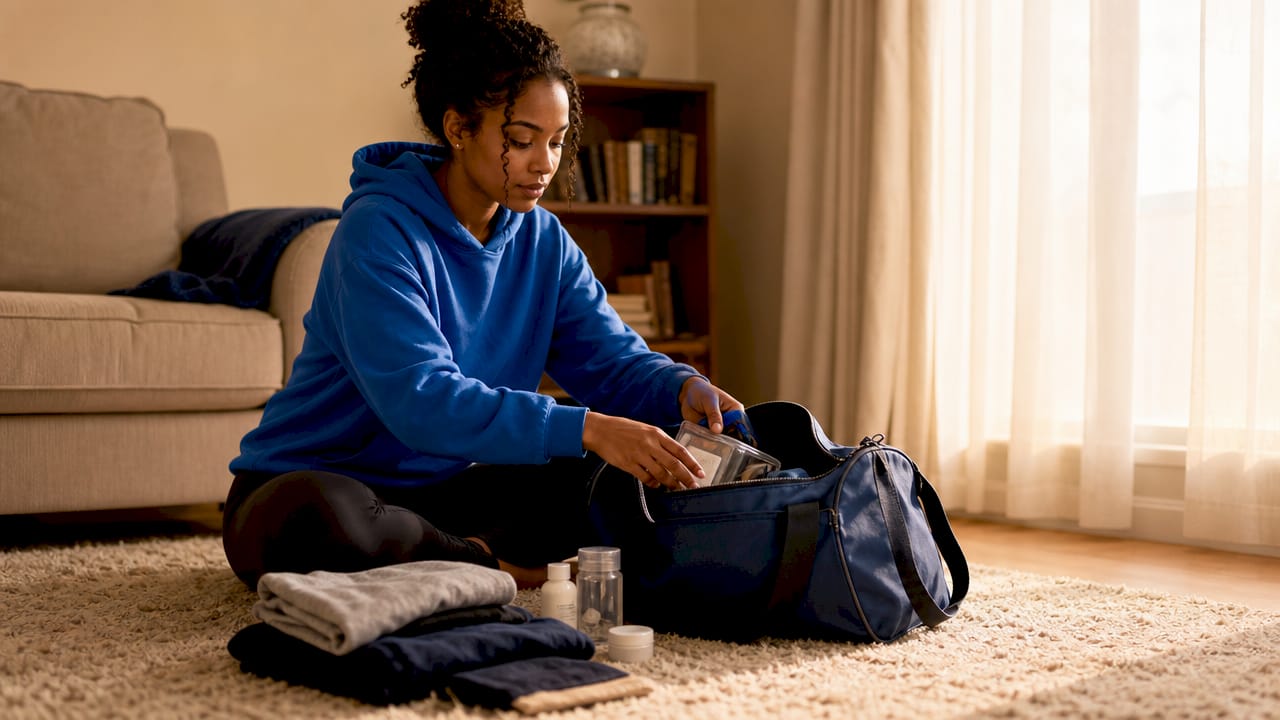
Knowing what to bring to a detox facility is the difference between a smooth admission and an avoidable delay on one of the most important days of your life. The clinical intake process at any inpatient detox program requires valid documentation, prescribed medications in original pharmacy bottles, and approved personal items that comply with facility rules. Packing correctly also affects your comfort during withdrawal, when small things like a journal or a familiar pair of sweatpants carry more weight than you might expect. This guide covers every category you need, including what to leave at home.
1. What documentation and medical items must you bring to a detox facility?
Documentation is the foundation of a safe admission. Valid photo ID and insurance cards are required at every accredited detox facility, and keeping originals together in a labeled folder prevents scrambling at intake. A government-issued photo ID, your insurance card, and any secondary insurance information should be the first items you pack.
Your medication list is equally critical. Bring a written record of every current prescription, including the drug name, dosage, frequency, and the name of your prescribing doctor. Medical teams use this information to adjust or continue medications safely from day one. Original pharmacy-labeled bottles are required for clinical verification. Loose pills in unlabeled containers will not be accepted and may be confiscated.
If you use assistive devices, alert admissions in advance to confirm what is allowed. Glasses, hearing aids, dentures, and CPAP machines are typically permitted, but the facility needs to know ahead of time. This prevents arriving without a necessary support that staff cannot quickly accommodate.
- Government-issued photo ID (driver’s license or passport)
- Health insurance card and any secondary coverage
- Written medication list with dosages and prescribing physician
- All prescriptions in original, pharmacy-labeled bottles
- Assistive devices (glasses, hearing aids, dentures, CPAP)
- Emergency contact information and any advance directives
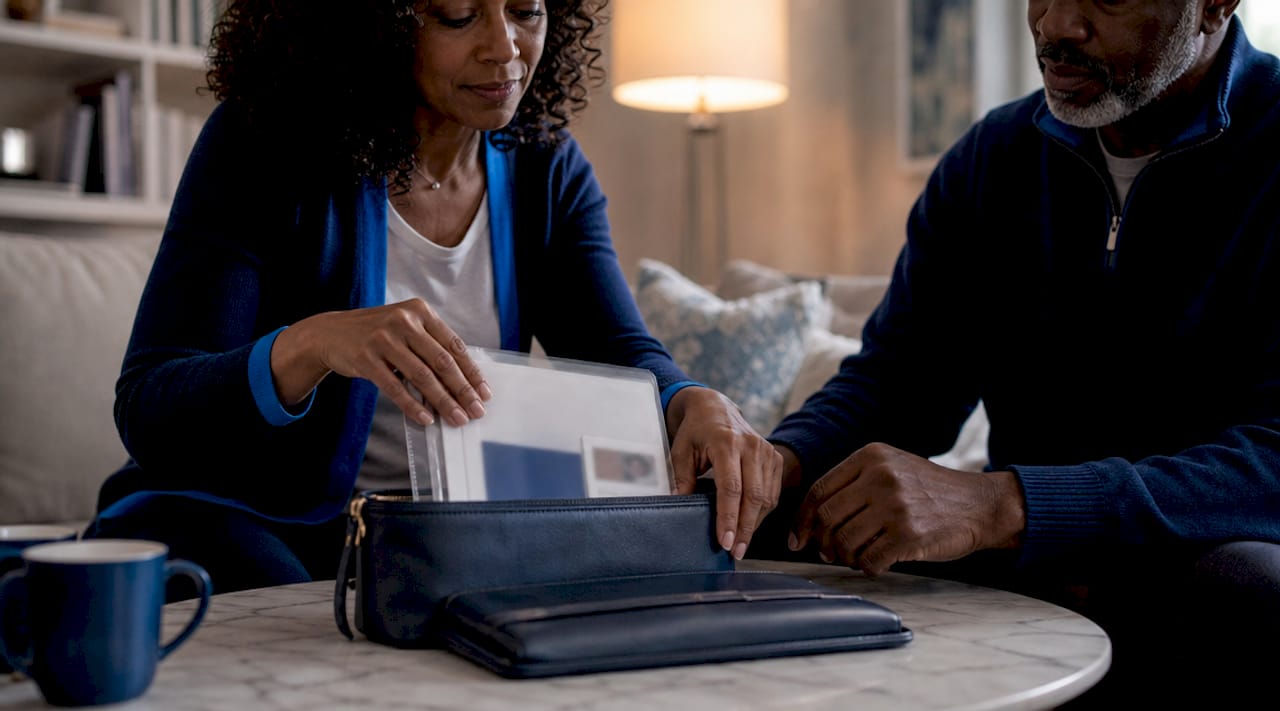
Pro Tip: Store your ID, insurance card, and medication list in a single clear plastic sleeve inside your bag. Clinical staff at facilities like Sylmartreatmentcenter will move through your intake faster when everything is immediately visible.
2. How to choose appropriate clothing and footwear for your detox stay
Comfort is the priority when choosing clothing for a detox stay. Most detox facilities recommend 5 to 7 days of clothing including loose loungewear, sweatpants, t-shirts, and layered items, since laundry facilities are typically available. Withdrawal symptoms often include temperature fluctuations, so layering is practical, not optional.
Pack sleepwear, enough undergarments and socks for your full stay, and at least one set of slightly more structured clothing for group sessions or assessments. Closed-toe shoes are required in most clinical settings for safety reasons. Sandals or slippers are fine for in-room use, but confirm with the facility whether open-toed footwear is permitted in common areas.
Clothing with imagery related to drugs, alcohol, or violence is prohibited at virtually every detox facility. Revealing clothing is also typically not allowed. The goal is a therapeutic environment, and what you wear contributes to that atmosphere for everyone in the program.
- 5 to 7 days of loose, comfortable clothing (sweatpants, t-shirts, hoodies)
- Pajamas or dedicated sleepwear
- Enough socks and undergarments for your full stay
- Closed-toe shoes for clinical areas
- Slippers or sandals for room use (confirm with facility)
- No clothing with drug, alcohol, or violent imagery
3. Which personal hygiene and comfort items are allowed and recommended?
Toiletries must be alcohol-free and non-aerosol at most detox facilities. This rule exists because alcohol-based products like standard mouthwash can be misused during detox, and aerosol cans present safety concerns in shared clinical spaces. Pack travel-sized or standard bottles of shampoo, conditioner, body wash, deodorant, toothbrush, and toothpaste that meet these criteria.
Feminine hygiene products are permitted and should be packed in sufficient quantity. Razors are a more nuanced item. Disposable or electric razors may be allowed, but some facilities require staff to hold them and supervise use. Confirm this before packing.
Comfort items like journals, notebooks, and recovery-oriented books are not extras. They are practical coping tools during early withdrawal when phone access is restricted and distractions are limited. A photo of a loved one, a recovery-focused book, or a personal journal can make a measurable difference in how you manage the first few days. Resources like the Neuro Relief aftercare guide reinforce that coping tools prepared in advance support better outcomes during difficult early phases.
Pro Tip: Call the facility before packing toiletries. Some programs provide basic hygiene kits, which means you can pack lighter. Others require you to bring everything. One phone call saves you from carrying items that get confiscated at the door.
- Alcohol-free shampoo, conditioner, and body wash
- Toothbrush and fluoride toothpaste (non-alcohol formula)
- Alcohol-free deodorant
- Feminine hygiene products as needed
- Disposable or electric razor (confirm policy first)
- Journal, notebook, or recovery-oriented reading material
- Photos of loved ones (physical prints, not on a phone)
4. What items should you avoid bringing to prevent issues at intake?
Prohibited items are the leading cause of admission delays and confiscations. Knowing what not to bring to detox is as important as knowing what to pack. The categories below cover the most commonly flagged items across accredited facilities.
“Bringing prohibited items to a detox facility does not just delay your admission. It can disrupt the entire intake process, affect other patients in the program, and put your clinical team in a difficult position before treatment has even started.” — Sylmartreatmentcenter admissions guidance
The most frequently confiscated items fall into five categories:
- Alcohol-containing products. Standard mouthwash, perfume, cologne, and some hand sanitizers contain alcohol. Bring alcohol-free alternatives or leave them at home.
- Sharp objects. Scissors, nail files, tweezers, and standard razors are typically prohibited. Pack only what the facility explicitly approves.
- Illicit substances and unapproved supplements. Any substance not on your verified prescription list will be confiscated. This includes herbal supplements, which can interact with detox medications.
- Valuables and large amounts of cash. Leave expensive jewelry, large sums of money, and irreplaceable items at home. Overpacking with valuables creates complications at intake and can disrupt the therapeutic environment.
- Unapproved electronics. Laptops, tablets, and gaming devices are typically not permitted. Phone policies vary widely. Confirm before you pack.
5. How to organize and pack efficiently for your detox facility stay
Organized packing directly affects the quality of your first day. Labeled folders and bags for documents, medications, and personal items reduce back-and-forth with admissions staff and speed up medication reconciliation. This matters because faster reconciliation means clinical monitoring begins sooner, which improves safety during the first 24 hours of detox.
Electronics and communication policies vary significantly between facilities. Some allow limited phone use during designated hours. Others restrict devices entirely during the detox phase. Confirming this before you arrive lets you manage your own expectations and notify family members about communication windows. The detox assessment process at Sylmartreatmentcenter includes a review of what you bring, so arriving organized makes that process faster for everyone.
A small amount of cash, typically under $40, may be useful for vending machines if the facility allows it. Confirm the exact amount and whether a debit card is accepted instead.
- Use one clear folder for all documents (ID, insurance, medication list)
- Pack medications in a separate labeled bag with original bottles
- Limit luggage to one bag or small suitcase
- Confirm phone and electronics policy before arrival
- Bring under $40 cash if vending machine access is permitted
- Call admissions the day before to verify any last-minute policy questions
Pro Tip: Take a photo of your medication bottles and prescription list before you leave home. If anything gets separated during intake, you have a digital backup that staff can reference immediately.
The table below summarizes the key packing categories and what to prioritize in each.
| Category | What to prioritize |
|---|---|
| Documentation | Photo ID, insurance card, written medication list in one labeled folder |
| Medications | Original pharmacy bottles only; no loose pills or unlabeled containers |
| Clothing | 5 to 7 days of loose, layered clothing; closed-toe shoes required |
| Toiletries | Alcohol-free, non-aerosol products; confirm what the facility provides |
| Comfort items | Journal, recovery books, printed photos; no phones or electronics unless confirmed |
| Prohibited items | No alcohol-based products, sharp objects, valuables, or unapproved supplements |
Key takeaways
Packing correctly for a detox facility requires valid documentation, original prescription bottles, approved toiletries, and modest clothing, with prohibited items left at home to prevent delays.
| Point | Details |
|---|---|
| Documentation comes first | Bring photo ID, insurance cards, and a written medication list in one labeled folder. |
| Original bottles are non-negotiable | Prescription medications must arrive in pharmacy-labeled bottles for clinical verification. |
| Clothing should be comfortable and modest | Pack 5 to 7 days of loose, layered clothing and confirm footwear rules with the facility. |
| Toiletries must be alcohol-free | Standard mouthwash, perfume, and aerosol products are prohibited at most detox facilities. |
| Comfort items support early recovery | Journals, books, and printed photos are practical coping tools when phone access is limited. |
What I’ve learned from watching people prepare for detox
The most common mistake I see is not overpacking. It is packing the wrong things with total confidence. Someone arrives with a full toiletry kit that includes alcohol-based mouthwash, a pair of nail scissors, and a bottle of herbal supplements they take every morning. None of it gets through intake. They spend the first hour frustrated instead of focused, and that frustration carries into the first clinical session.
The second mistake is underestimating comfort items. A journal is not a nice-to-have. During early withdrawal, when phone access is restricted and the hours feel long, having something to write in or read is genuinely stabilizing. The emotional wellness research from ReviveHealthTherapy supports this. Patients who arrive with approved coping tools tend to engage more consistently with the program from day one.
My strongest advice is to call the facility the day before you arrive. Not to confirm your reservation. To ask specifically: “Is there anything on my packing list that will be flagged at intake?” That one question has saved more smooth admissions than any checklist I have ever written. Facilities like Sylmartreatmentcenter have 24/7 admissions support precisely for this reason. Use it. The medically supervised detox guide is also worth reading before you pack, especially if you are managing multiple prescriptions.
— Jevan
Start your detox stay with the right support at Sylmartreatmentcenter
Sylmartreatmentcenter is a DHCS-licensed, Joint Commission-accredited facility offering medical detox and residential care in an intimate six-bed setting. That size matters. Every client receives a personalized care plan built from a comprehensive clinical assessment, not a one-size-fits-all protocol. The medication management program at Sylmartreatmentcenter handles prescription verification and safe administration from the moment you arrive, which is exactly why bringing your original pharmacy bottles and a complete medication list makes such a direct difference. Explore the full range of detox and recovery programs or call admissions any time, day or night, to ask what to bring and how to prepare.
FAQ
What documents do I need to bring to a detox facility?
Bring a government-issued photo ID, your health insurance card, and a written list of all current medications with dosages and prescribing physician names. Keeping these in a single labeled folder speeds up the intake process significantly.
Can I bring my phone to a detox facility?
Phone policies vary by facility. Some allow limited use during designated hours, while others restrict devices entirely during the detox phase. Confirm the policy with admissions before you arrive so you can manage expectations with family members.
What toiletries are allowed at a detox center?
Most facilities require toiletries to be alcohol-free and non-aerosol. Safe options include alcohol-free shampoo, conditioner, body wash, deodorant, and toothpaste. Standard mouthwash, perfume, and aerosol sprays are typically prohibited.
How much clothing should I pack for a detox stay?
Pack 5 to 7 days of comfortable, modest clothing including sleepwear, undergarments, and socks. Loose loungewear and layered items are recommended because withdrawal can cause temperature fluctuations. Most facilities have laundry access for longer stays.
What happens if I bring a prohibited item to detox?
Prohibited items are confiscated at intake, which can delay the admission process and create an avoidable stressful start. Calling the facility the day before to verify your packing list is the most reliable way to prevent this.