
A 24-hour detox facility is a medically supervised withdrawal center that provides continuous clinical care to individuals physically dependent on alcohol, opioids, benzodiazepines, or other substances. Unlike outpatient check-ins or home-based attempts, these centers keep licensed physicians, nurses, and counselors on-site around the clock to monitor vital signs, administer medications, and intervene in emergencies. The standard industry term is medically supervised detoxification, and understanding what separates it from commercial wellness programs can be the difference between a safe recovery start and a life-threatening complication.
What is a 24-hour detox facility and how does it work?
A 24-hour detox facility operates as a short-term, clinically controlled environment where the body clears itself of addictive substances under constant medical oversight. The process begins the moment a patient arrives, with a full medical assessment covering substance use history, current medications, vital signs, and any co-occurring mental health conditions. That intake evaluation drives every clinical decision that follows.
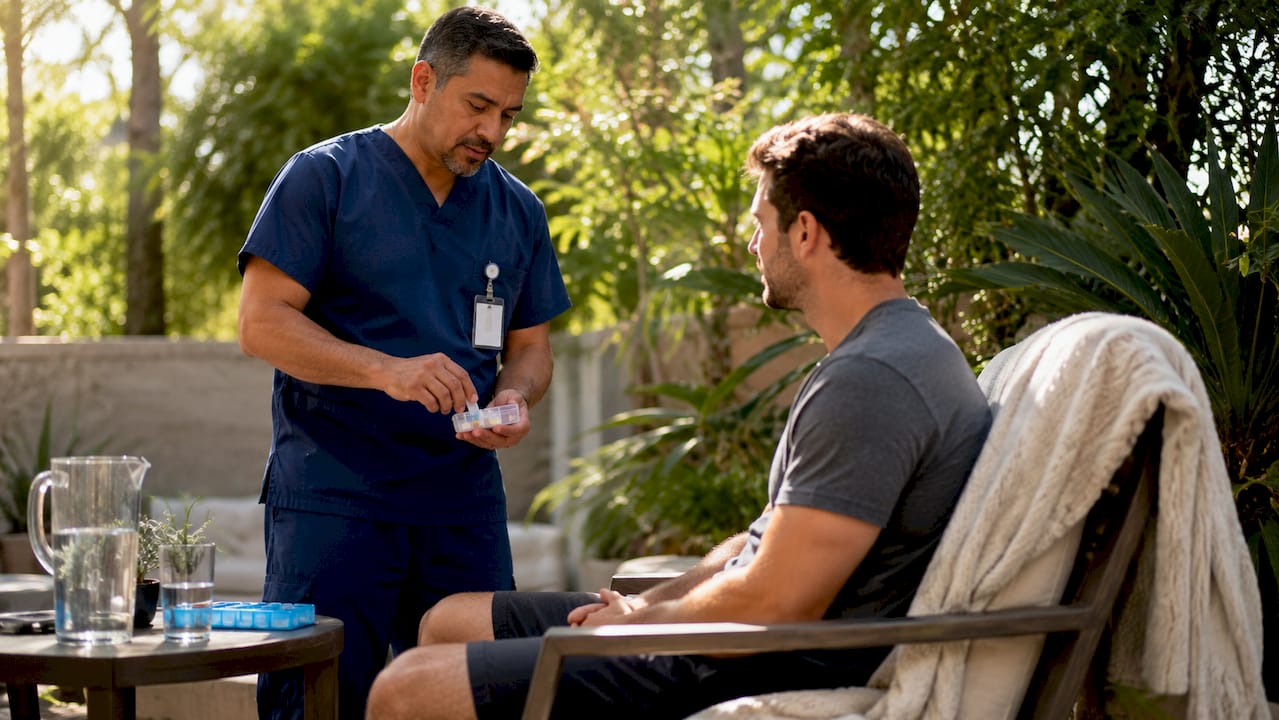
Once stabilized, patients receive round-the-clock nursing care with daily medication adjustments tailored to their withdrawal progress. Medical staff continuously monitor patients for symptom escalation, dehydration, cardiac irregularities, and psychological distress. Medications such as benzodiazepines for alcohol withdrawal, buprenorphine for opioid withdrawal, and clonidine for blood pressure management are standard tools in this setting.
The clinical team typically includes attending physicians, registered nurses, licensed counselors, and case managers. Each role serves a specific function: physicians authorize medication protocols, nurses execute hourly monitoring, and counselors address the fear and disorientation that accompany physical withdrawal. This layered staffing model is what makes 24-hour substance treatment categorically different from any at-home or outpatient approach.
Detox duration depends heavily on the substance involved. Medical detox typically spans 3 to 7 days, though fentanyl and other high-potency opioids require approximately 30% more stabilization time due to their extended receptor binding. Alcohol withdrawal, which can trigger seizures within 24 to 72 hours of the last drink, demands particularly close monitoring throughout the early phase.
Key clinical components of a 24-hour detox facility:
- Intake medical assessment covering substance history, labs, and psychiatric screening
- Medication-assisted treatment (MAT) to reduce withdrawal severity and cravings
- Hourly vital sign monitoring by licensed nursing staff
- Emergency intervention protocols for seizures, cardiac events, or respiratory distress
- Daily physician rounds to adjust treatment plans based on patient response
- Counseling check-ins to address anxiety, confusion, and emotional distress
Pro Tip: Ask any facility you consider whether they have a physician on-site 24 hours a day or only on-call. On-call coverage creates dangerous response gaps during acute withdrawal crises.
Medical detox vs. wellness detox: what’s the real difference?
The word “detox” appears on both hospital-grade addiction treatment programs and spa menus, which creates genuine confusion for people in crisis. These two categories share a name and nothing else.
A medically supervised detox center treats physical dependence on substances that alter brain chemistry. Stopping alcohol, benzodiazepines, or opioids abruptly without clinical support carries serious risks. Unsupervised alcohol withdrawal carries a 10% seizure risk, and delirium tremens can be fatal without immediate intervention. Medical detox exists specifically to manage these physiological dangers with pharmacological precision.
Wellness detox programs, by contrast, focus on general health optimization. Integrative wellness clinics offer services like infrared sauna, IV vitamin drips, ozone therapy, and PEMF (pulsed electromagnetic field) therapy. These modalities aim to reduce inflammation and support liver function in otherwise healthy individuals. They are not equipped to manage substance dependence, and attempting to use them as a substitute for clinical detox is medically dangerous.
Pro Tip: If a facility does not require a medical intake assessment before starting your “detox,” it is a wellness center, not a clinical detox facility. Walk away if you have physical dependence on any substance.
| Feature | Medical 24-hour detox center | Wellness detox program |
|---|---|---|
| Medical supervision | Physicians and nurses on-site 24/7 | No licensed medical staff required |
| Substance withdrawal treatment | Yes, with medication protocols | No, not designed for this purpose |
| Emergency intervention capability | Full emergency response on-site | None |
| Accreditation requirement | Joint Commission or state DHCS license | Typically none |
| Primary purpose | Safely manage substance withdrawal | General health and toxin reduction |
| Appropriate for addiction | Yes | No |
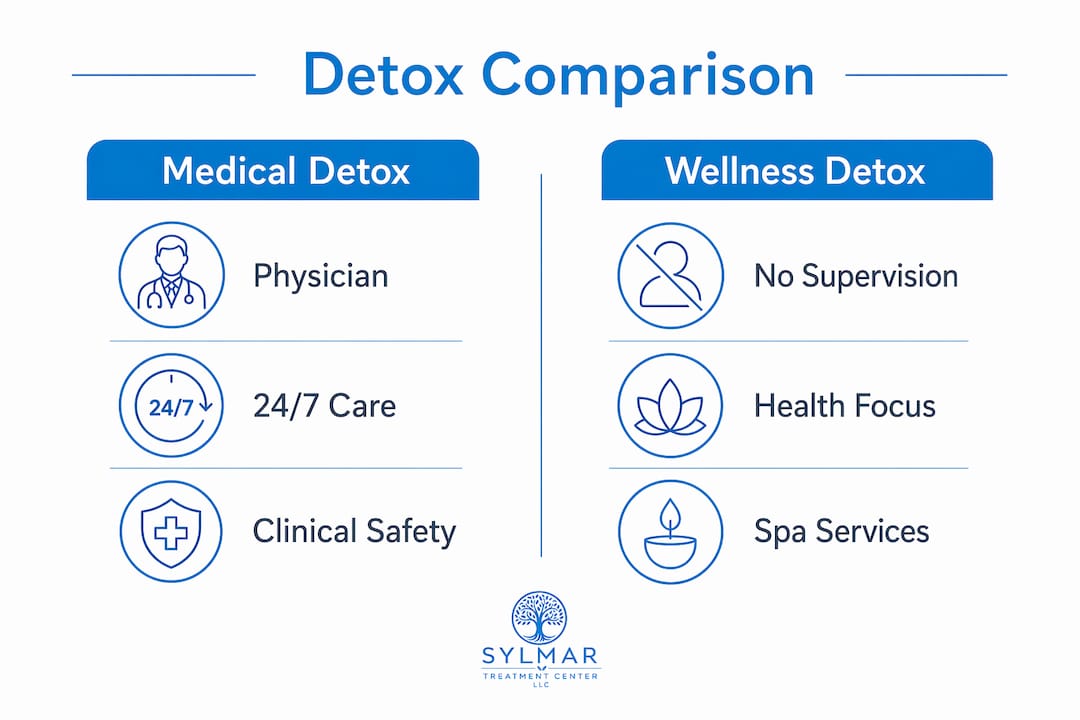
Facilities with Joint Commission accreditation meet federally recognized safety and quality standards that wellness centers are never required to achieve. That accreditation is not a marketing badge. It signals that the facility has passed rigorous clinical audits covering patient safety, staff credentials, and treatment protocols.
What are the benefits of a 24-hour detox facility for withdrawal?
The most direct benefit of a 24-hour detox center is survival. Over 95% of patients complete medical detox under continuous supervision successfully. That statistic reflects what structured clinical care accomplishes when withdrawal would otherwise become life-threatening.
Beyond preventing the worst outcomes, the benefits of 24-hour detox extend into every dimension of the withdrawal experience:
- Seizure prevention: Alcohol and benzodiazepine withdrawal carry the highest seizure risk of any substance. Medical teams administer prophylactic medications before symptoms escalate to that threshold.
- Pain and discomfort reduction: Medications like methadone, buprenorphine, and non-opioid alternatives significantly reduce the physical agony of opioid withdrawal, making the process tolerable rather than traumatic.
- Psychological stabilization: Withdrawal triggers severe anxiety, paranoia, and depression. Licensed counselors and psychiatric staff address these symptoms in real time, reducing the psychological suffering that drives early relapse.
- Emergency response availability: Cardiac arrhythmias, respiratory depression, and severe dehydration can emerge without warning. A 24-hour facility has the equipment and personnel to respond immediately.
- Treatment readiness: Patients who complete supervised detox enter the next phase of recovery physically stabilized and mentally clearer than those who attempt withdrawal alone.
“Detox is typically followed by inpatient or outpatient therapy to sustain recovery. Completing detox without follow-up care significantly increases relapse risk.”
That last point matters more than most people realize. Detox clears the body of substances, but it does not address the behavioral, psychological, and social factors that drive addiction. A quality 24-hour detox center will begin discharge planning from day one, connecting patients to residential treatment, intensive outpatient programs, or dual diagnosis support before they ever leave the building.
How to access emergency or same-day admission to a 24-hour detox center
Same-day detox admission lowers health risks and improves treatment engagement, which is why reputable centers maintain 24/7 admissions lines rather than standard business-hour intake processes. If you or someone you care about needs help today, the path to admission is more direct than most people expect.
- Call the facility’s 24/7 admissions line directly. Most accredited detox centers, including Sylmartreatmentcenter, answer calls around the clock and can begin the intake process over the phone within minutes.
- Have insurance information ready. Costs for medically supervised detox vary widely based on treatment length and facility type. Insurance verification typically takes 15 to 30 minutes and can happen simultaneously with the clinical intake call.
- Contact SAMHSA’s National Helpline if you need a referral. SAMHSA’s helpline operates 24 hours a day, 7 days a week, at 1-800-662-4357. It is free, confidential, and connects callers to local treatment resources across the United States.
- Prepare for the intake assessment. Be ready to describe current substance use, the date and time of the last use, any prescription medications, and relevant medical history. Honesty here directly improves the quality of the care plan.
- Know what to bring. A detox facility packing guide typically recommends photo ID, insurance cards, a few days of comfortable clothing, and any prescribed medications in their original bottles. Leave valuables at home.
Private pay options exist at most facilities for individuals without insurance coverage, and many centers offer sliding-scale fees or financing arrangements. Cost should not be the reason someone delays getting help.
Key takeaways
A 24-hour detox facility is the only safe option for managing physical dependence on alcohol, opioids, or benzodiazepines, because continuous medical supervision prevents the seizures, cardiac events, and psychological crises that unsupervised withdrawal cannot address.
| Point | Details |
|---|---|
| Medical supervision is non-negotiable | Unsupervised alcohol withdrawal carries a 10% seizure risk that only clinical care can prevent. |
| Detox duration varies by substance | Most medical detox programs run 3 to 7 days, with high-potency opioids requiring extended monitoring. |
| Wellness detox is not a substitute | Sauna, IV drips, and ozone therapy do not treat substance dependence and carry real danger for dependent individuals. |
| Accreditation signals real safety | Joint Commission accreditation confirms a facility meets rigorous clinical standards, not just marketing claims. |
| Detox is a starting point, not the finish | Follow-up residential or outpatient treatment is required to reduce relapse risk after detox completion. |
Why I think most people underestimate what detox actually requires
I’ve spent years watching people make the same mistake: they treat detox as a minor hurdle rather than a genuine medical event. Someone decides to “tough it out” at home, or they book a wellness retreat thinking a few days of sauna and supplements will do the job. The outcomes range from miserable to fatal.
What strikes me most is how confidently people underestimate alcohol withdrawal specifically. Opioid withdrawal is brutal and painful, but it rarely kills. Alcohol withdrawal can. The brain’s dependence on alcohol creates a neurological rebound when the substance is removed, and without benzodiazepines administered on a clinical schedule, that rebound can produce seizures within 48 hours. This is not a fringe risk. It is a documented, predictable physiological event.
The other thing I’d push back on is the idea that detox is just about getting substances out of the body. The psychological component is equally serious. I’ve seen patients who cleared their system physically but were so overwhelmed by the anxiety and depression of early withdrawal that they relapsed within hours of discharge. Facilities that pair medical detox with behavioral rehabilitation from the first day produce meaningfully better outcomes than those treating the body alone.
My honest recommendation: look for facilities that hold Joint Commission accreditation, maintain physicians on-site rather than on-call, and begin discharge planning before the patient finishes detox. Those three criteria filter out the majority of substandard programs. The medically supervised detox process is not something to comparison-shop on price alone. The stakes are too high.
— Jim
Start your recovery with Sylmartreatmentcenter’s 24-hour detox program
Sylmartreatmentcenter provides medically supervised detox programs with licensed physicians and nursing staff available around the clock. The center’s intimate six-bed setting means every patient receives a personalized care plan, not a standardized protocol designed for volume. Admissions support runs 24/7, so same-day intake is available when you need it most.
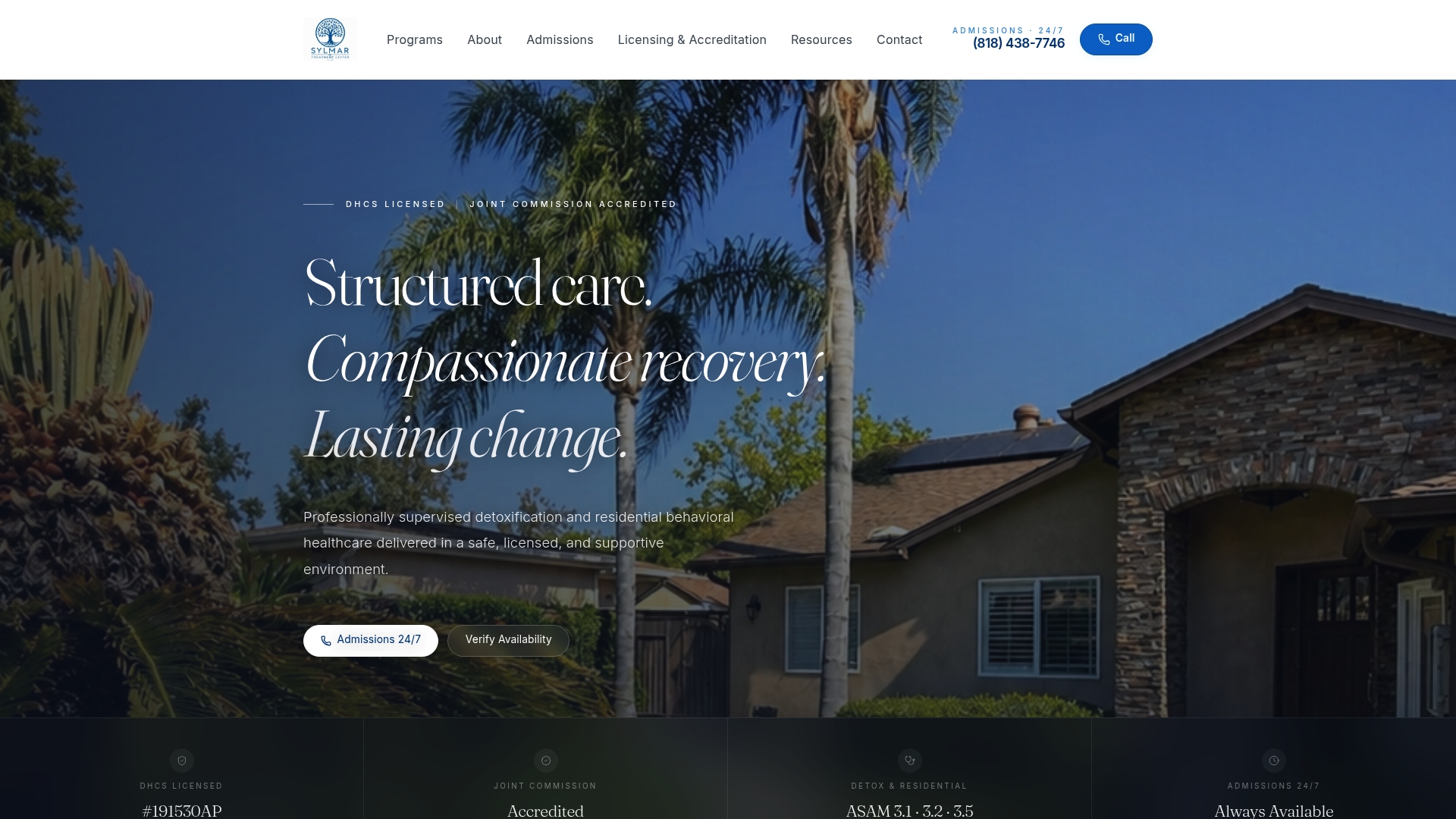
Sylmartreatmentcenter holds both a DHCS license and Joint Commission accreditation, confirming that its clinical standards meet the highest benchmarks in addiction care. Insurance verification is confidential and fast. Whether you are calling for yourself or a family member, the admissions team walks you through every step without pressure. Explore the full range of treatment programs and take the first step toward medically safe withdrawal today.
FAQ
What is the difference between detox and rehab?
Detox is the medically supervised process of clearing substances from the body, typically lasting 3 to 7 days. Rehab refers to the longer-term behavioral and psychological treatment that follows detox to address the root causes of addiction.
How long does a 24-hour detox program last?
Most medically supervised detox programs run 3 to 7 days, depending on the substance and the severity of dependence. High-potency opioids like fentanyl may require extended monitoring beyond that standard window.
Is 24-hour detox covered by insurance?
Many private insurance plans, Medicaid, and Medicare cover medically supervised detox as a medical necessity. Insurance verification at most accredited facilities takes 15 to 30 minutes and can be completed over the phone before admission.
Can I detox from alcohol at home safely?
Alcohol withdrawal is one of the most medically dangerous withdrawal processes, carrying a 10% seizure risk without clinical supervision. Home detox from alcohol is not considered safe for individuals with physical dependence.
How do I find a 24-hour detox center near me?
SAMHSA’s National Helpline at 1-800-662-4357 provides free, confidential referrals to local detox and treatment facilities 24 hours a day. Accredited centers like Sylmartreatmentcenter also offer direct 24/7 admissions calls for immediate placement.