

Bromazolam withdrawal can be severe and life-threatening, with seizures and delirium among the documented complications, so medically supervised detox is the safest route. Do not attempt a risky home taper if you have had seizures or severe symptoms. If you see seizures, confusion, severe agitation, or breathing trouble, call emergency services now. For anything less urgent, contact a clinician or poison control for guidance.
TL;DR:
- Illicit bromazolam pills can contain unpredictable amounts, and combinations with opioids, alcohol, phenibut, or kratom raise breathing and heart risks.
- Clinicians cannot rely on equivalence charts; they may convert patients to diazepam, adjust doses to symptoms, and add phenobarbital or intensive care when needed.
- Seizures, severe confusion, hallucinations, breathing trouble, chest pain, or extreme fever require emergency care; do not try to sedate someone at home.
- After stabilization, arrange an individualized outpatient taper and name a clinician before leaving monitored care; therapy and treatment for coexisting conditions can reduce relapse risk.
Table of Contents
- What does bromazolam withdrawal look like, and when does it start?
- Why is bromazolam riskier than prescription benzodiazepines?
- How do clinicians manage bromazolam withdrawal?
- When should you get emergency care?
- What do medically supervised detox and residential stabilization involve?
- What happens after medical stabilization?
- What do case reports teach us about safety?
- Why we believe supervised care is the safest choice
- How we can help with detox and residential care
- FAQ
- Sources
What does bromazolam withdrawal look like, and when does it start?
Withdrawal tends to build in stages, and the earliest signs are easy to dismiss as plain stress. Watch for these:
- Anxiety, restlessness, and a feeling of dread that does not ease
- Tremor, sweating, and a racing or pounding heartbeat
- Insomnia, nausea, and heightened sensitivity to light, sound, or touch
- Hallucinations, confusion, or delirium, which signal a medical emergency
- Generalized seizures, fever or overheating, and chest pain
Timing varies with dose, how long someone used, and what else is in their system. Symptoms can begin at different times after the last dose, depending on the person and the substance. Lingering symptoms may persist, which is why a supervised taper matters.
Severe cases are documented: a CDC report described seizures, hyperthermia, and myocardial injury in three young adults who took bromazolam sold as alprazolam. Heart and brain complications can arrive together, so do not wait to see how bad it gets.
Why is bromazolam riskier than prescription benzodiazepines?
When you stop a prescribed benzodiazepine, a clinician usually knows the drug, the dose, and the history. With bromazolam, almost none of that is certain.
- Unknown potency: Bromazolam is illicit and often sold in counterfeit pills, frequently labeled as alprazolam. Two pills that look identical can contain very different amounts.
- Rising availability: U.S. law enforcement seizures involving bromazolam rose from no more than three per year during 2016–2018 to 2,913 in 2023, a sign of how quickly exposure has spread.
- Polydrug use: Opioids, alcohol, phenibut, and kratom commonly show up alongside bromazolam. These combinations complicate withdrawal and raise respiratory and cardiac danger.
Public health reporting also notes that designer benzodiazepines are increasingly found combined with opioids and other depressants, and clinicians are advised to consider them when a sedated patient does not respond to naloxone.
How do clinicians manage bromazolam withdrawal?
There is no single standard protocol, so care is built around the person in front of the clinician. These are the main tools reported in clinical cases:
- Conversion to diazepam. Clinicians switch the patient to a long-acting benzodiazepine and taper slowly. One clinical report described stabilizing a patient by converting 6 mg of daily bromazolam to a diazepam taper.
- Symptom-triggered or scheduled dosing. Teams adjust doses to what the patient’s body shows, because equivalence charts for designer benzodiazepines are unreliable.
- Phenobarbital. It has been used as an adjunct, or as the main agent in refractory cases, to protect against seizures.
- ICU support. Refractory seizures can require sedation, airway protection, and intubation, as described in an ASAM case report of ICU admission after a self-directed taper.
Clinicians writing in a hospital medicine abstract note that limited pharmacokinetic data means standardized protocols can fail, and that some patients need large adjunctive doses and close monitoring.
Pro Tip: Tell every clinician exactly what you took, how often, when you last took it, and anything else in your system. Bring the pills or packaging if you have them.
When should you get emergency care?
Act fast if you or someone you support shows any of these:
- A seizure or loss of consciousness
- Severe confusion, delirium, or hallucinations
- Trouble breathing or chest pain
- Extreme agitation, or a very high fever
Call emergency services or go to the nearest emergency department. Do not try to sedate the person at home with unknown substances. Tell EMS about possible designer benzodiazepine exposure and any other drugs or alcohol involved. If you are unsure whether it is an emergency, call your local poison control center for immediate guidance.
What do medically supervised detox and residential stabilization involve?
A good stay follows a clear sequence:
- Evaluation and baseline. Clinicians review your use history, mental state, and other health conditions, and run toxicology testing when available.
- Continuous monitoring. Staff track vital signs and mental status around the clock so changes are caught early.
- Medication plan. The team may convert to diazepam, give doses as symptoms demand, or use phenobarbital for severe or refractory withdrawal, with ICU transfer if needed.
- Acute stabilization. The length of this phase varies from person to person.
- Handoff to a supervised taper. The outpatient taper should be individualized to help manage withdrawal and reduce the risk of relapse.
Our family guide to the medically supervised detox process walks through what loved ones can expect.
What happens after medical stabilization?
Stabilization is the start of recovery, not the end. A few steps make the difference:
- Arrange an outpatient benzodiazepine taper with an addiction medicine clinician or psychiatrist who knows benzodiazepine dependence.
- Begin therapy early, such as cognitive behavioral therapy for anxiety and insomnia, along with counseling and peer support.
- Treat co-occurring mental health conditions, which often drive relapse. This external resource on schizophrenia and drug addiction offers useful background on how mental illness and substance use overlap.
- Make a safety plan for protracted withdrawal symptoms, and keep family members informed about when to call the treatment team.
Pro Tip: Do not leave a monitored setting without a named outpatient clinician and a first appointment on the calendar.
Our overview of the benzodiazepine detox timeline explains why lingering symptoms deserve a plan.
What do case reports teach us about safety?
Published cases describe seizures, ICU admissions, and unusually high medication needs. The consistent lesson is that doses should be titrated to how the patient responds, not to a chart. Because pharmacokinetic data on designer benzodiazepines are limited, clinicians stress individualized plans, close monitoring, and coordination with outpatient prescribers before discharge so a slow, safe taper can continue. These reports are small and cannot tell us how common each outcome is, which is another reason to keep care supervised.

Why we believe supervised care is the safest choice
We recommend medically supervised care for designer benzodiazepine withdrawal because the unknowns are real. We cannot predict how an illicit pill will behave, so we rely on psychiatric oversight and a plan built for one person at a time. We also bring families in early, because the taper does not end at our door. Our view is that the extra structure is not excess caution. It is what keeps a hard process survivable.
— Jim
How we can help with detox and residential care
If you or someone you love needs help with bromazolam withdrawal, we are ready to talk. We offer medical detoxification, residential treatment, medication management, and dual diagnosis support, with admissions available at any time.
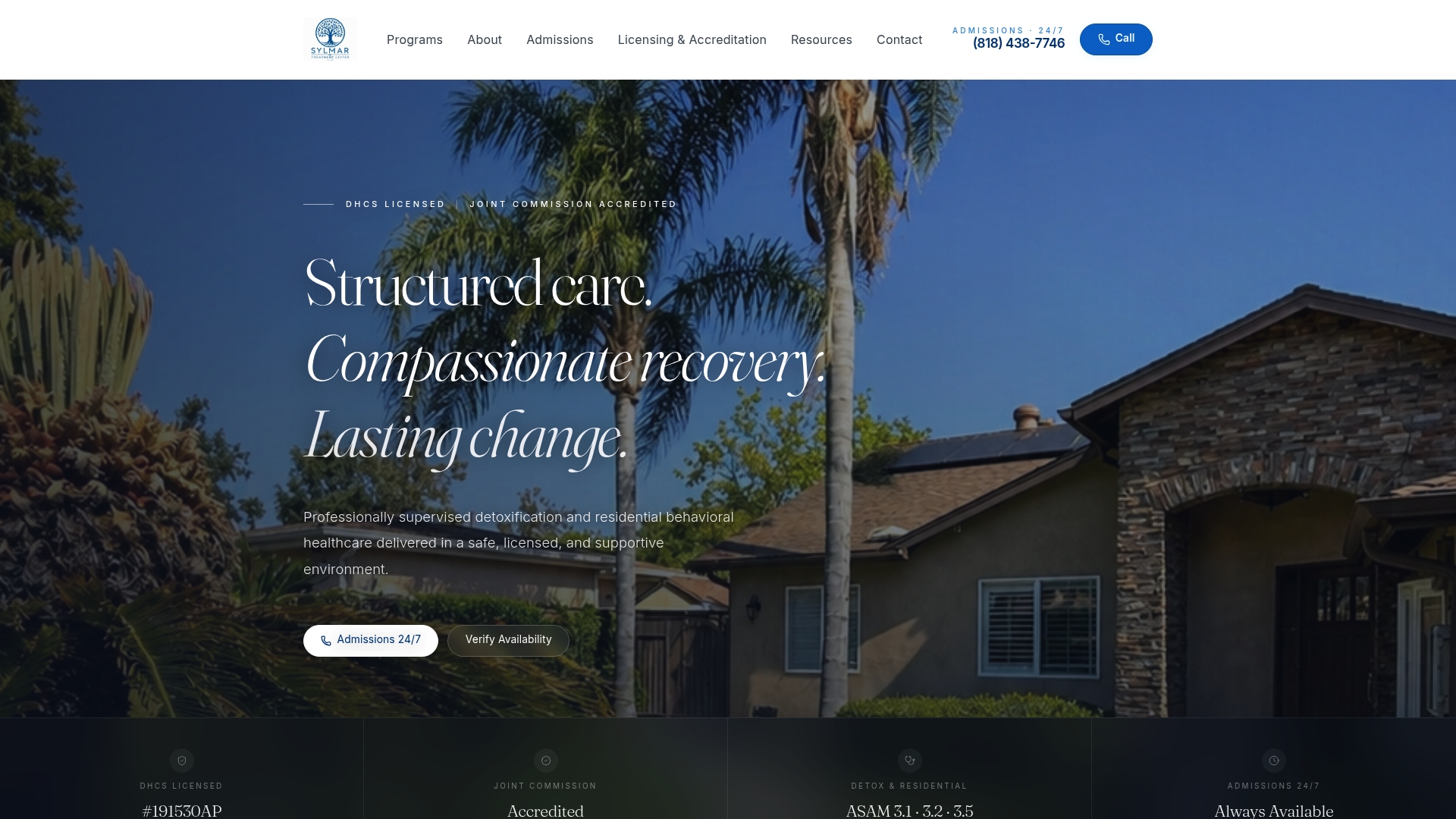
Our setting is designed to offer personal attention and a plan built around you. We hold a California DHCS license and Joint Commission accreditation. Call our admissions team to discuss an assessment, and have these ready: the substances used, the time of your last dose, and any history of seizures.
This article is general information, not a substitute for advice from a qualified doctor. Consult a qualified healthcare professional about your own circumstances before acting on anything here.
FAQ
How long does bromazolam withdrawal last?
The timing and duration of acute and lingering symptoms vary. A supervised taper should be individualized.
Can bromazolam withdrawal cause seizures?
Yes. Seizures have been documented, including breakthrough seizures during self-directed tapers. Anyone who has a seizure needs emergency care.
Is it safe to taper bromazolam at home?
Home tapering is risky because the dose and purity of illicit bromazolam are unknown. Clinicians generally convert to a long-acting benzodiazepine under supervision instead.
What medications treat bromazolam withdrawal?
Clinicians commonly convert to diazepam and taper slowly, and may add phenobarbital in severe cases. Doses are adjusted to symptoms rather than a fixed chart.
Should I call poison control or 911?
Seek immediate emergency care for seizures, breathing trouble, chest pain, or severe confusion. Poison control can advise when you are unsure.
Sources
- Notes from the Field: Seizures, Hyperthermia, and Myocardial Injury in Three Young Adults Who Consumed Bromazolam Disguised as Alprazolam — Chicago, Illinois, February 2023 | MMWR
- Clinical detoxification of bromazolam using diazepam
- BROMAZOLAM WITHDRAWAL: NAVIGATING UKNOWN TERRITORY IN DESIGNER BENZODIAZEPINE DEPENDENCE - SHM Abstracts | Society of Hospital Medicine
- (56) Bromazolam Withdrawal Requiring ICU Admission: Case Report of Designer Benzodiazepine Use