

Medical detox is defined as clinically supervised withdrawal management that uses medications, monitoring, and medical intervention to safely remove substances from your body. Not every substance requires this level of care, but several, including alcohol, benzodiazepines, and opioids, produce withdrawal symptoms serious enough to be fatal without it. Knowing which substances requiring medical detox pose the greatest danger is the first step toward making a safe, informed decision about your recovery. Detox is the starting point of addiction treatment, not the finish line.
1. Alcohol: The most dangerous withdrawal of all
Alcohol withdrawal is the most medically dangerous of any substance. Seizure risk peaks 24–48 hours after the last drink, and untreated delirium tremens carries a mortality rate of 5–15%. That means roughly 1 in 10 people who go through severe, unsupervised alcohol withdrawal can die from it.
Delirium tremens, or DTs, causes confusion, fever, rapid heart rate, and full-body seizures. Medical detox manages these risks with benzodiazepines, IV fluids, and around-the-clock monitoring. Alcohol detox typically lasts 5–7 days, though some patients need longer stabilization.
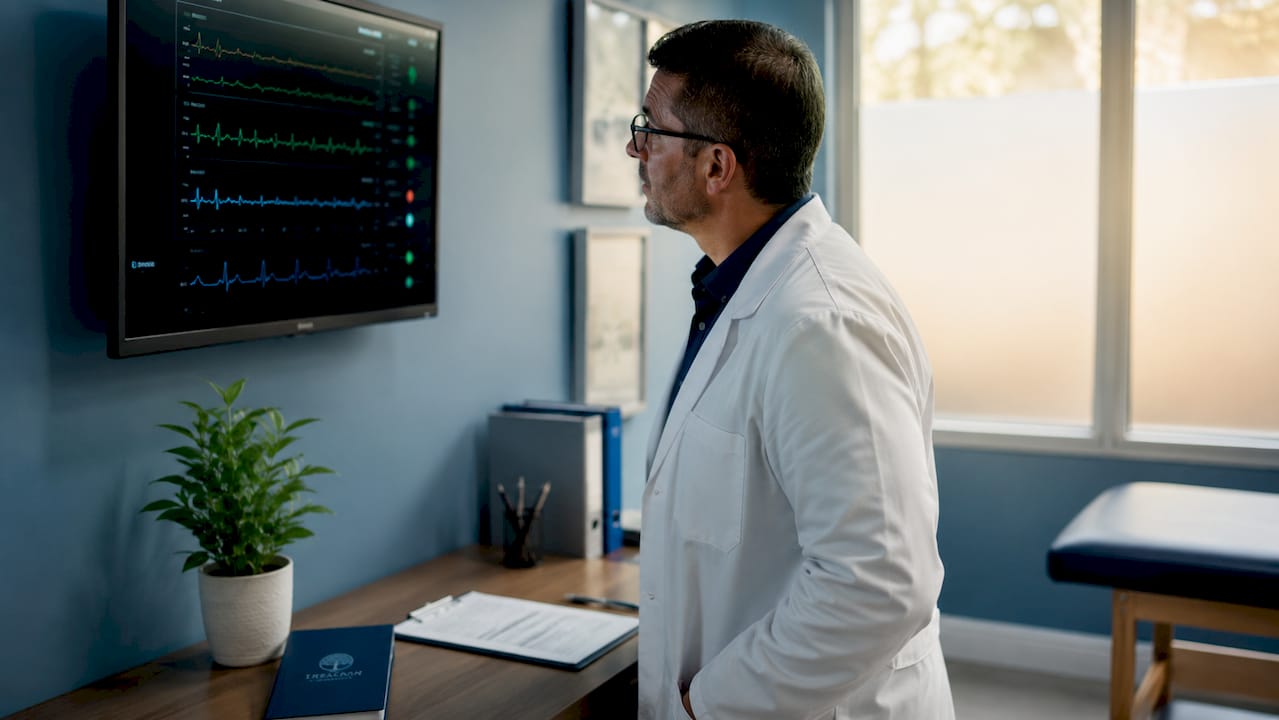
Pro Tip: If you have a history of prior alcohol withdrawals, your risk actually increases each time. This is called the kindling effect, and it means a withdrawal that felt manageable before can become life-threatening the next time.
2. Benzodiazepines: A slow and serious withdrawal
Benzodiazepines, including drugs like diazepam, alprazolam, and clonazepam, produce withdrawal that closely mirrors alcohol in its danger. Abrupt cessation can trigger grand mal seizures, even in people who took the medication as prescribed. Medical detox for benzodiazepines uses a gradual taper protocol, often substituting a longer-acting benzo to reduce the severity of symptoms.
The timeline for benzo withdrawal is longer than most other substances. Depending on the drug and the dose, detox can extend over weeks to months. This extended timeline makes medical oversight non-negotiable.
3. Opioids: Severe discomfort, real medical risk
Opioid withdrawal is rarely fatal on its own, but it produces severe physical symptoms that drive most people back to using before the process is complete. Nausea, vomiting, muscle cramps, and intense cravings make unsupervised withdrawal extremely difficult to complete. Withdrawal symptoms from short-acting opioids resolve within 5–10 days, while methadone withdrawal can last significantly longer.
Medical detox for opioids uses FDA-approved medications like buprenorphine and clonidine to reduce discomfort and stabilize the patient. Buprenorphine also reduces cravings, which lowers the risk of relapse during the acute withdrawal phase. Medication-assisted treatment can continue well beyond detox as part of a longer recovery plan.
4. Barbiturates and sedative-hypnotics: Underestimated danger
Barbiturates like phenobarbital and sedative-hypnotic drugs share the same withdrawal profile as alcohol and benzodiazepines. Stopping them abruptly can cause seizures, cardiovascular instability, and death. These substances are less commonly prescribed today, but misuse still occurs, and withdrawal always requires medical supervision.
The detox approach mirrors benzo protocols: a controlled taper with close monitoring of vital signs. Patients with a history of sedative-hypnotic dependence should receive a clinical detox evaluation before any withdrawal attempt begins.
5. Polysubstance use: When multiple substances complicate everything
Using more than one substance simultaneously creates withdrawal patterns that are harder to predict and manage. A person withdrawing from both alcohol and opioids, for example, faces overlapping timelines and competing medication needs. Inpatient medical detox is required when polysubstance use, significant co-occurring medical conditions, or a history of withdrawal seizures are present.
Polysubstance withdrawal also increases the risk of medical emergencies during the first 72 hours. Clinical teams must monitor multiple organ systems simultaneously. This level of complexity cannot be managed safely at home.
6. Substances that generally do not require medical detox
Several substances produce withdrawal that is uncomfortable but not life-threatening. Stimulants, cannabis, and nicotine fall into this category. Understanding the difference helps you choose the right level of care.
Stimulant withdrawal from cocaine or methamphetamine primarily triggers psychological symptoms: depression, fatigue, intense cravings, and disrupted sleep. There is no acute medical risk comparable to alcohol or benzos. Supportive care, rest, nutrition, and counseling are the standard approach.
Cannabis withdrawal produces mild physical discomfort, including irritability, sleep problems, and appetite changes. Home detox is generally feasible for cannabis, though a supportive environment significantly improves outcomes. Nicotine withdrawal causes strong cravings and mood changes but carries no medical emergency risk.
- Stimulants (cocaine, methamphetamine): Psychological symptoms dominate. No seizure risk. Supportive care is the standard.
- Cannabis: Mild discomfort, psychological symptoms. Home detox is often appropriate.
- Nicotine: Intense cravings, irritability. No medical detox needed. Nicotine replacement therapy helps.
- Important exception: If you have co-occurring mental health conditions or a history of complicated withdrawals, even these substances warrant professional monitoring.
Pro Tip: “Not needing medical detox” does not mean withdrawal is easy. Stimulant and cannabis withdrawal are leading causes of early relapse. A structured outpatient program or residential setting dramatically improves your odds of getting through it.
7. What happens during medical detox procedures
Medical detox follows three defined stages: evaluation, stabilization, and transition to treatment. Each stage has a specific clinical purpose.
Evaluation begins at admission. Clinicians screen for all substances present, assess medical and psychiatric history, and run lab work including blood pressure readings, liver and kidney function tests, and ECGs for high-risk patients. This clinical evaluation determines which medications are appropriate and what level of monitoring is needed.
Stabilization is the active withdrawal phase. Clinicians use standardized scoring tools, specifically CIWA-Ar for alcohol and COWS for opioids, to measure withdrawal severity in real time and adjust medications accordingly. This dynamic dosing approach is what separates medical detox from simply waiting out symptoms.
Transition begins as acute withdrawal resolves. The clinical team prepares a referral to the next level of care, whether that is residential rehab, an outpatient program, or ongoing medication-assisted treatment. The detox-to-rehab transition is where long-term recovery actually begins.
| Substance | Detox Duration | Key Medications Used |
|---|---|---|
| Alcohol | 5–7 days | Benzodiazepines, thiamine, IV fluids |
| Benzodiazepines | Weeks to months (taper) | Long-acting benzodiazepines |
| Opioids (short-acting) | 5–10 days | Buprenorphine, clonidine |
| Stimulants | 1–2 weeks (supportive) | Supportive care, sleep aids |
| Cannabis | 1–2 weeks (supportive) | Supportive care |
8. How to choose between inpatient and outpatient detox
The right level of care depends on your substance, your history, and your health status. Inpatient medical detox provides 24/7 monitoring and is the safest option for high-risk situations. Outpatient or ambulatory detox works for lower-risk cases where daily check-ins and medication management are sufficient.
You need inpatient detox if you have heavy daily alcohol use, a prior seizure during withdrawal, polysubstance dependence, or serious co-occurring medical conditions. The highest death risk during withdrawal occurs in the first 72 hours for alcohol and sedative-hypnotics. That window requires clinical eyes on you at all times.
Home detox for alcohol or benzodiazepines carries serious medical risk. Each withdrawal episode without supervision can worsen the next one through the kindling phenomenon, where repeated withdrawals increase seizure likelihood and severity. A clinician, not personal judgment, should determine your appropriate level of care.
For insurance and access, most major plans cover medically necessary detox. Sylmartreatmentcenter offers 24/7 admissions support to help you understand your options and get placed quickly. You can also review inpatient vs. outpatient options in detail before making a decision.
Key takeaways
Medical detox is a life-saving clinical intervention for alcohol, benzodiazepines, and opioids, and it is only the first phase of a complete addiction treatment plan.
| Point | Details |
|---|---|
| Alcohol and benzo withdrawal can be fatal | Untreated delirium tremens carries a 5–15% mortality rate; always seek medical detox. |
| Opioid detox requires medication support | Buprenorphine reduces withdrawal severity and cravings, improving completion rates. |
| Stimulants and cannabis rarely need medical detox | Supportive care works, but structured programs still improve outcomes significantly. |
| CIWA-Ar and COWS guide safe dosing | These scoring tools allow real-time medication adjustments during withdrawal. |
| Detox alone does not treat addiction | Behavioral therapy and ongoing care are required to address the root causes of dependence. |
Why detox is misunderstood more than almost any other medical process
Most people I talk with believe that getting through detox means they have beaten addiction. That belief is one of the most dangerous misconceptions in recovery. Detox stabilizes physical dependence. It does not treat the behavioral, psychological, or social drivers of addiction. Stopping there is like treating a broken leg with painkillers and skipping the cast.
The other thing I see constantly is people underestimating withdrawal risk because a prior detox went smoothly. The kindling phenomenon is real. A person who detoxed from alcohol at home twice without incident can seize on the third attempt. Prior success is not a reliable predictor of future safety.
What actually works is treating detox as the entry point to a treatment continuum, not the destination. Detox without follow-up treatment has a low success rate. The patients I have seen achieve lasting recovery are the ones who moved directly from detox into a structured program with therapy, peer support, and medical management. The gap between detox and the next step is where relapse happens most often. Close that gap.
— Jim
Safe, supervised detox at Sylmartreatmentcenter
Sylmartreatmentcenter provides medically supervised detox in an intimate six-bed setting where every patient receives direct, individualized attention from clinical staff. The center holds a DHCS license and Joint Commission accreditation, which means the care meets verified quality standards.
Sylmartreatmentcenter’s medical detox program includes comprehensive intake evaluations, 24/7 monitoring, FDA-approved medications, and direct referral to residential or outpatient treatment. Admissions support is available around the clock. If you or someone you care about needs to start detox safely, you can review all available treatment programs or call to speak with an admissions counselor today.
FAQ
What substances always require medical detox?
Alcohol, benzodiazepines, barbiturates, and sedative-hypnotics always require medical detox because withdrawal from these substances can cause fatal seizures or delirium tremens. Opioids strongly benefit from medically supervised detox due to severe symptoms and high relapse risk.
How long does medical detox take?
Detox timelines vary by substance: alcohol takes 5–7 days, short-acting opioids take 5–10 days, and benzodiazepine tapers can extend over weeks to months depending on the dose and duration of use.
Is home detox ever safe?
Home detox is generally acceptable only for stimulants and cannabis, where withdrawal is uncomfortable but not medically dangerous. Home detox for alcohol or benzodiazepines carries serious risk of seizure and should never be attempted without clinical guidance.
What is the difference between detox and addiction treatment?
Detox manages the physical process of withdrawal and stabilizes the body. Addiction treatment addresses the behavioral, psychological, and social factors driving substance use, and it requires therapy, medication management, and ongoing support beyond detox.
What medications are used in medical detox?
Common medications include benzodiazepines for alcohol and benzo withdrawal, buprenorphine and clonidine for opioid withdrawal, and supportive medications like thiamine and anti-nausea drugs. Dosing is guided by standardized tools like CIWA-Ar and COWS.
Recommended
- Detox Safety Best Practices: Your 2026 Guide | Sylmar Treatment Center
- Medically Supervised Detox Process: A Family Guide | Sylmar Treatment Center
- Examples of Detox Treatment Protocols: A Clinical Guide | Sylmar Treatment Center
- What Is Medical Detoxification: A Clear Guide | Sylmar Treatment Center