

Medical detoxification is the supervised process of clearing addictive substances from the body while managing withdrawal symptoms safely. Understanding how detox prepares patients for rehab is the difference between a recovery attempt that sticks and one that collapses within weeks. Detox typically lasts 3–10 days, while formal rehab runs 30 days or longer. Detox alone does not treat addiction. It creates the physical and mental stability that makes behavioral treatment possible.
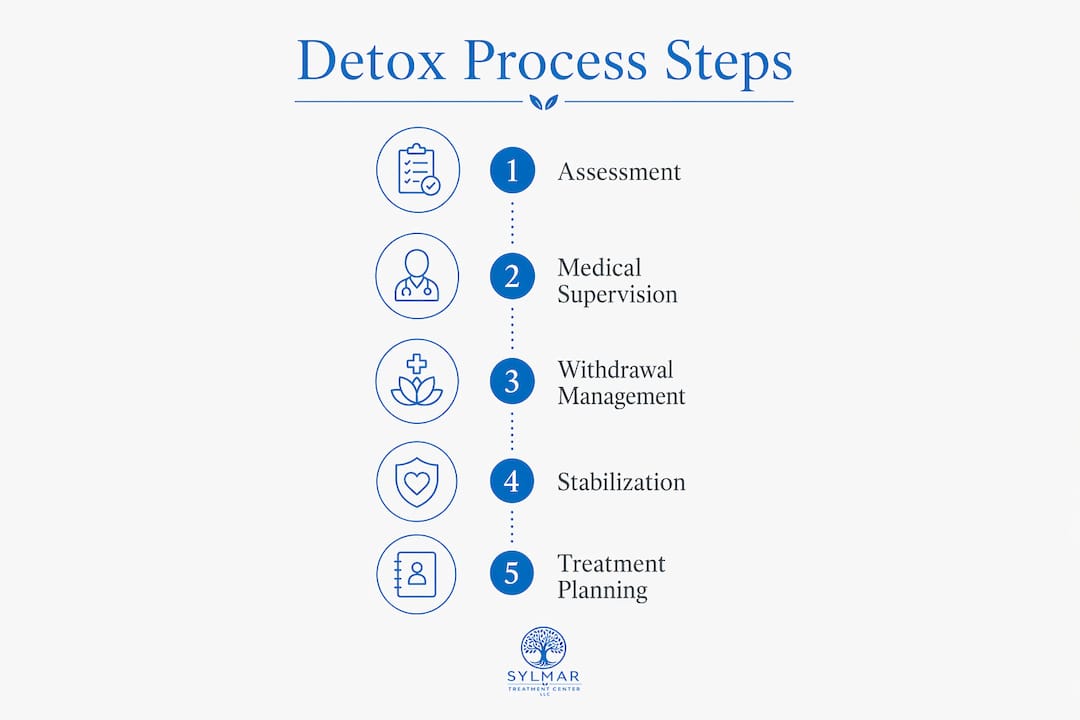
How does detox prepare patients for rehab?
Detox is a medical process, not a cure. It removes substances from the body and stabilizes vital signs, but it does not address the psychological roots of addiction. Think of it as clearing the ground before construction begins. Without that cleared ground, rehab has nothing solid to build on.
Detox focuses on physical withdrawal, while rehab addresses the psychological, behavioral, and social dimensions of addiction. Both are necessary. Neither works as well without the other. Patients who complete detox and move directly into a structured rehab program give themselves the best possible foundation for lasting recovery.

The importance of detox before rehab comes down to one practical reality: a patient in active withdrawal cannot engage meaningfully with therapy. Severe nausea, tremors, anxiety, and cognitive fog block the kind of self-reflection that behavioral treatment requires. Detox removes those barriers.
What happens during the detox process?
The detox process for addiction follows a predictable medical pattern, though the timeline and intensity vary by substance and the patient’s history of use.
The withdrawal timeline
The first 72 hours carry the highest medical risk, particularly for alcohol, benzodiazepines, and opioids. Seizures, delirium tremens, and dangerous blood pressure swings are all possible during this window. Medical staff monitor patients continuously and intervene with medications when needed. After the acute phase passes, symptoms typically taper over the following days.
The full detox window runs 3–10 days depending on the substance, the dose, and how long the patient has been using. Alcohol and benzodiazepine withdrawal tend to be the most medically dangerous. Opioid withdrawal is rarely life-threatening but produces severe physical discomfort that drives patients to leave treatment early without proper support.
Medical interventions used in detox
Clinicians use several medications to manage withdrawal safely. Benzodiazepines like diazepam reduce seizure risk during alcohol withdrawal. Buprenorphine and methadone ease opioid withdrawal symptoms and cravings. Clonidine manages blood pressure and anxiety across multiple substance types. These medications do not replace rehab. They make it possible for patients to reach rehab in stable condition.
Some detox facilities use locked units during the peak withdrawal phase to prevent patients from leaving before they are medically stable. This is a safety measure, not a punitive one. Patients who leave during peak withdrawal face serious medical risk and near-certain relapse.
Pro Tip: Ask the detox facility whether they begin treatment planning during the detox stay itself. Facilities that assign counselors during detox, not just after, reduce the gap between physical stabilization and behavioral care.
Why is detox alone not enough to treat addiction?
Detox clears substances from the body. It does not change the thought patterns, emotional triggers, or social environments that drove the addiction. Without immediate rehab following detox, patients face a dangerous combination: a body with reduced drug tolerance and a mind still running the same behavioral patterns that led to use.
That combination is lethal. A patient who relapses after detox uses the same amount they used before, but their body can no longer handle it. Overdose risk spikes sharply in the days immediately after detox discharge without behavioral support in place.
The relapse data makes the case clearly.
| Scenario | 6-month relapse rate |
|---|---|
| Detox only, no rehab | 80–90% |
| Detox followed by rehab and aftercare | 30–50% |
Structured treatment after detox provides accountability, therapeutic support, and the skills patients need to address the underlying causes of their addiction. Without that structure, the physical reset detox provides is temporary.
“Detox stabilizes the body. Recovery starts after substance clearance, when patients learn the reasons behind their substance use and build the skills to stay sober.” — Hartford Hospital
Counselors who begin treatment planning during detox reduce the risk of a gap between discharge and rehab admission. Even a short gap, a day or two without supervision or support, increases relapse risk significantly. The transition from detox to rehab should be immediate and planned before detox ends.
What are the different levels of detox?
Not every patient needs the same level of care. Medical professionals assess substance type, withdrawal history, physical health, and home environment before recommending a detox setting. Understanding the options helps patients and families ask the right questions.
Inpatient detox
Inpatient detox provides 24/7 medical supervision in a residential facility. This is the appropriate level for patients withdrawing from alcohol, benzodiazepines, or opioids, or for anyone with a history of severe withdrawal complications. The controlled environment removes access to substances and provides immediate medical response if complications arise. A clinical detox evaluation determines whether inpatient care is medically necessary.
Outpatient detox
Outpatient detox allows patients to sleep at home and attend a clinic daily for monitoring and medication. This level suits patients with mild to moderate withdrawal risk, a stable home environment, and strong social support. It is not appropriate for anyone withdrawing from alcohol or benzodiazepines without a thorough medical assessment, since those withdrawals can escalate quickly.
Key factors clinicians weigh when recommending a detox level:
- Substance type: Alcohol and benzodiazepines carry the highest medical risk.
- Duration and quantity of use: Longer, heavier use typically requires more intensive supervision.
- Prior withdrawal history: A history of seizures or delirium tremens requires inpatient care.
- Co-occurring mental health conditions: Depression, anxiety, or psychosis increase risk and complexity.
- Home environment: Unstable or substance-using households make outpatient detox unsafe.
Pro Tip: If you are unsure which level of detox is appropriate, request a formal medical detox assessment before making any decisions. The right level of care at the start prevents dangerous complications later.
How does detox create the foundation for rehab success?
Detox stabilizes the body and acts as a reset, while rehab builds the life skills and understanding needed to maintain sobriety long term. That sequence matters. Patients who enter rehab while still in acute withdrawal cannot absorb therapy. Their nervous system is in crisis mode.
Physical stabilization produces several specific benefits that directly improve rehab outcomes:
- Reduced medical emergencies: Stable vital signs mean clinical staff can focus on therapy rather than crisis management.
- Mental clarity: Once acute withdrawal passes, patients can concentrate, retain information, and engage in group and individual therapy.
- Lower immediate cravings: Medications used in detox reduce the intensity of early cravings, giving patients a window to build coping skills before those cravings return.
- Emotional readiness: Patients who have completed detox often feel a genuine sense of accomplishment. That shift in self-perception supports engagement with the harder work of behavioral change.
- Continuity of care: When detox and rehab are coordinated, the treatment team shares information about the patient’s withdrawal experience, medical history, and early emotional state, which allows therapists to personalize their approach from day one.
The detox and rehabilitation link is not just sequential. It is structural. Rehab therapists build on the physical stability that detox creates. Without that stability, the behavioral work is harder, slower, and less likely to hold.
Key Takeaways
Detox and rehab are two distinct phases that must work together. Completing detox without entering rehab leaves the behavioral roots of addiction untreated and relapse nearly certain.
| Point | Details |
|---|---|
| Detox is medical, not behavioral | Detox clears substances and manages withdrawal but does not treat addiction’s psychological causes. |
| Relapse risk drops sharply with rehab | The 6-month relapse rate falls from 80–90% with detox only to 30–50% when rehab follows. |
| The transition must be immediate | Any gap between detox discharge and rehab admission increases relapse and overdose risk. |
| Detox level should match withdrawal risk | Alcohol and benzodiazepine withdrawal require inpatient supervision; outpatient suits lower-risk cases. |
| Physical stability enables therapy | Mental clarity and reduced cravings after detox allow patients to engage fully with behavioral treatment. |
What I’ve learned about the detox-to-rehab transition
Most patients I’ve spoken with arrive at detox believing it is the hard part. They think that once the physical symptoms pass, the worst is behind them. That belief is the most dangerous misconception in addiction recovery.
Detox is the beginning of the medical process, not the end of the addiction. The behavioral patterns, the emotional triggers, the social networks tied to substance use, none of those change because the body is clean. Patients who leave detox without a rehab plan in place are walking back into the same conditions that drove their use, with a body that is now more vulnerable to overdose, not less.
The detail that most people miss is the tolerance drop. After even a short detox, the body’s tolerance resets downward. A patient who relapses and uses their previous dose faces a real risk of fatal overdose. That is not a scare tactic. It is the pharmacological reality that makes the gap between detox and rehab so dangerous.
What actually works is a zero-gap transition: rehab admission planned and confirmed before detox ends, with the same clinical team communicating across both phases. Patients who experience that continuity arrive at rehab with context already established. Their therapist knows what they went through in detox. The work starts immediately instead of from scratch.
The other thing I’d push back on is the idea that detox is passive. The best detox programs use that window to begin building the therapeutic relationship. Light group sessions, individual check-ins with a counselor, and early psychoeducation about addiction all start during detox at quality facilities. By the time a patient walks into rehab, they are not starting cold.
— Jim
Sylmartreatmentcenter: from detox through rehab in one place
Sylmartreatmentcenter offers medically supervised detox and structured residential rehab within a single, accredited program. The center’s intimate six-bed setting means patients receive individualized attention from the first day of detox through the final stages of behavioral treatment.
Sylmartreatmentcenter holds both a DHCS license and Joint Commission accreditation, which means clinical standards are independently verified. The 24/7 admissions team can assess your situation and recommend the right level of care immediately. Explore the full range of treatment programs to find the path that fits your needs, and contact the admissions team to begin the process today.
FAQ
What is the difference between detox and rehab?
Detox is a short medical process that clears substances from the body and manages withdrawal symptoms. Rehab is a longer behavioral program that addresses the psychological, social, and emotional causes of addiction.
How long does medical detox take?
Medical detox typically lasts 3–10 days, depending on the substance, the amount used, and the patient’s overall health. Alcohol and benzodiazepine withdrawal often require the full duration with close supervision.
Can you go to rehab without doing detox first?
For high-risk substances like alcohol, benzodiazepines, and opioids, skipping detox is medically dangerous. Seizures and delirium tremens can occur in the first 72 hours of withdrawal without proper medical management.
What happens if you skip rehab after detox?
Patients who complete detox without entering rehab face a 6-month relapse rate of 80–90%. Tolerance drops during detox, so a relapse at the previous dose carries a serious overdose risk.
How does detox improve therapy outcomes in rehab?
Detox reduces acute withdrawal symptoms and restores mental clarity, which allows patients to concentrate, retain information, and engage fully with individual and group therapy from the start of rehab.