
Detox safety best practices are medically supervised, evidence-based protocols that protect you from life-threatening withdrawal complications while supporting your body’s natural elimination systems. The clinical term for this process is medical detoxification, and it covers everything from alcohol and benzodiazepine withdrawal management to lifestyle strategies that optimize liver and kidney function. Skipping professional oversight is not just risky. Alcohol Withdrawal Delirium affects 3 to 5% of people withdrawing from alcohol and can be fatal without urgent care. Whether you are detoxing yourself or supporting a loved one, the guidelines below give you a clear, evidence-grounded path forward.
1. Medical supervision is the cornerstone of safe detox
Medical supervision is the single most important factor in any safe detox method, particularly for alcohol, benzodiazepines, and opioids. Without it, withdrawal can escalate from discomfort to a medical emergency within hours.
The most dangerous withdrawal syndromes include seizures, hallucinations, and delirium tremens. Abrupt cessation of alcohol or benzodiazepines without medical support is genuinely life-threatening, not just uncomfortable. This is why the phrase “cold turkey” is actively discouraged by addiction medicine specialists.
Medical detox uses three core tools to keep you safe:
- Tapering protocols: Doses of a substitute medication are reduced gradually to prevent dangerous rebound symptoms.
- Symptom control medications: Benzodiazepines, anticonvulsants, or alpha-2 agonists manage specific withdrawal symptoms.
- Vital sign monitoring: Blood pressure, heart rate, and temperature are tracked continuously so clinicians can intervene early.
Medical detox programs adjust these tools based on daily assessments, which is why no two patients follow exactly the same protocol.
Pro Tip: Consult a physician before stopping alcohol, benzodiazepines, or opioids, even if your use seems moderate. The severity of withdrawal does not always correlate with the amount consumed.
2. Supporting your body’s natural detox systems through nutrition
The liver and kidneys eliminate toxins daily without any outside help. No clinical evidence supports the idea that juice fasts or commercial cleanses reset these organs. What does support them is consistent, targeted nutrition.
Effective dietary choices for detox support include:
- Cruciferous vegetables: Broccoli, Brussels sprouts, and cauliflower activate Phase 2 liver enzymes that neutralize harmful compounds.
- Sulfur-rich foods: Garlic and onions supply the sulfur needed for glutathione production, the liver’s primary antioxidant.
- Adequate protein: Amino acids from lean meats, legumes, and eggs are the raw material for detox enzymes.
- Colorful fruits: Berries and citrus provide polyphenols that reduce oxidative stress on liver cells.
- Fiber: Soluble fiber binds bile acids in the gut, preventing reabsorption of toxins the liver has already processed.
Slow bowel transit allows toxins excreted in bile to be reabsorbed, which directly undermines the liver’s work. Regular meals, fiber intake, and movement keep that pathway clear.
Pro Tip: Avoid crash diets during detox. Severe caloric restriction impairs Phase 1 liver enzyme activity, which can cause partially metabolized toxins to accumulate rather than clear.
3. Hydration: the right amount, not the most
Proper hydration is one of the simplest and most effective detox guidelines for safety, yet most people either underdo it or chase an arbitrary target. Consuming 1.5 to 1.8 liters of water per day supports kidney filtration effectively for most healthy adults. The popular “8 glasses a day” rule has no strong clinical basis.
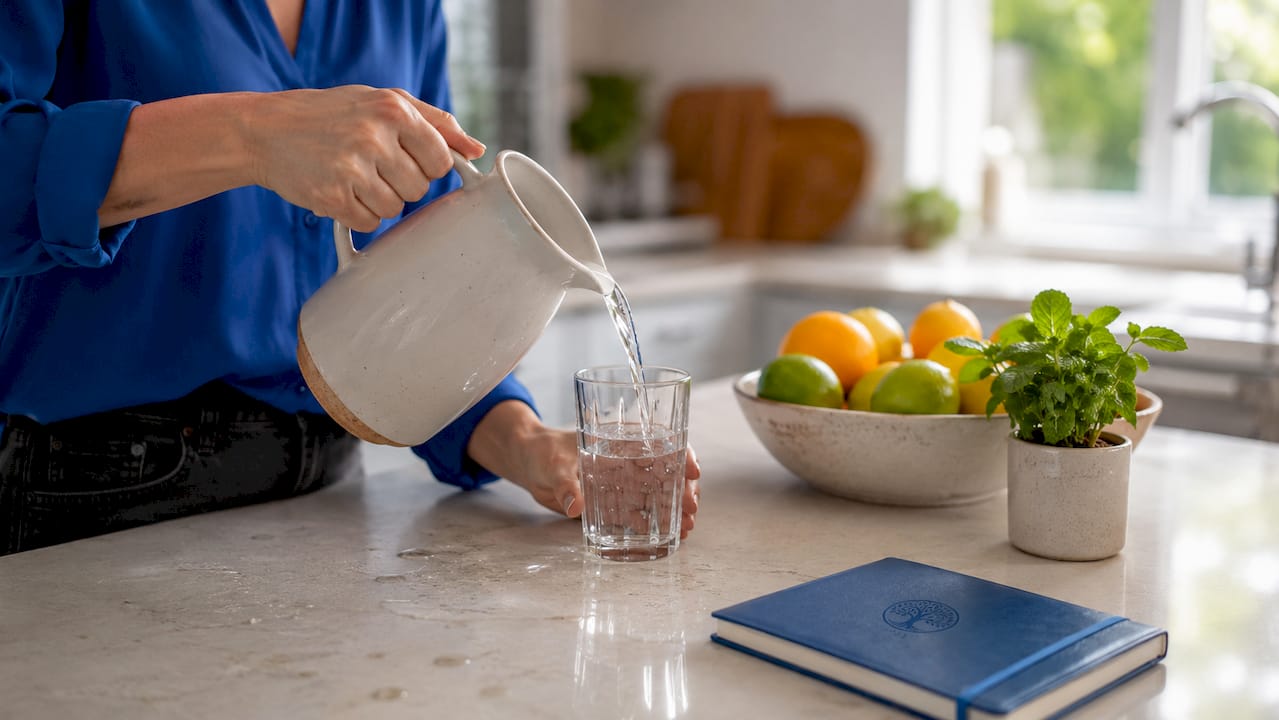
Kidneys filter roughly 200 liters of blood daily and excrete waste through urine. Adequate fluid intake keeps urine dilute, reduces the concentration of waste products, and prevents kidney strain. Electrolyte balance matters too. During substance withdrawal, vomiting and sweating deplete sodium and potassium, so plain water alone may not be enough. Oral rehydration solutions or electrolyte-rich foods like bananas and coconut water help restore balance without overloading the kidneys.
Caffeinated beverages and alcohol are diuretics that increase fluid loss. Replacing them with water, herbal teas, or diluted fruit juices during detox keeps hydration steady without adding metabolic stress.
4. Evaluating detox supplements: what the evidence actually says
Supplement safety is one of the most misunderstood areas of detoxification. The market is full of products labeled “detox” or “cleanse,” but the clinical evidence behind most of them is thin at best and harmful at worst.
| Supplement | Claimed benefit | Evidence level | Safety concern |
|---|---|---|---|
| Milk thistle (silymarin) | Liver cell protection | Moderate for liver disease | Generally safe at standard doses |
| Turmeric (curcumin) | Anti-inflammatory liver support | Limited in humans | Liver injury risk at high doses |
| Activated charcoal | Toxin binding and elimination | Useful in poisoning emergencies only | Binds medications and nutrients non-specifically |
| Green tea extract | Antioxidant support | Weak for detox claims | Liver toxicity reported at high doses |
| N-acetylcysteine (NAC) | Glutathione precursor | Strong for acetaminophen overdose | Generally safe; limited detox data |
Activated charcoal is the clearest example of a supplement misapplied outside its clinical context. It works in poisoning emergencies because it binds toxins in the gut before absorption. Used routinely, it also binds prescribed medications, vitamins, and minerals, creating deficiencies and undermining treatment.
The deeper issue is that many detox supplements are unregulated and can cause liver injury, particularly at the high doses marketed in commercial products. “Natural” does not mean safe. Before adding any supplement to a detox protocol, consult a pharmacist or physician who can check for interactions with existing medications.
5. Creating a safe home detox environment
For individuals managing lifestyle detox rather than substance withdrawal, the home environment plays a larger role than most people realize. Stress activates cortisol, which impairs liver function and disrupts sleep, two factors that directly slow toxin clearance.
Practical steps to build a supportive home detox space:
- Reduce sensory overload: Soft lighting, reduced screen time, and quiet surroundings lower cortisol and support the nervous system.
- Prioritize sleep: 7 to 9 hours of sleep nightly allows the glymphatic system in the brain to clear metabolic waste, a process that only occurs during deep sleep.
- Move your body: The American Heart Association recommends 150 minutes of moderate aerobic activity weekly, which supports lymphatic drainage and organ health.
- Try dry brushing: Gentle skin brushing before showering stimulates lymphatic flow and supports the skin’s role as an elimination organ.
- Practice deep breathing: Diaphragmatic breathing increases oxygen delivery and supports the lungs’ role in expelling volatile waste products.
- Remove triggers: Keep alcohol, processed foods, and other substances out of the immediate environment to reduce the chance of reverting to habits that burden detox pathways.
If you are supporting a loved one through substance detox at home, never allow them to detox alone if there is any history of heavy alcohol or benzodiazepine use. The risk of seizure is real, and it can occur without warning.
6. Recognizing complications and knowing when to call for help
Knowing when to seek emergency care is the most critical of all detox guidelines for safety. Delayed intervention in severe withdrawal is one of the leading causes of preventable death in detox settings.
Watch for these warning signs and treat any of them as a medical emergency:
- Intense confusion or disorientation that worsens over hours
- Visual or auditory hallucinations (seeing or hearing things that are not there)
- Uncontrolled tremors in the hands, arms, or full body
- Seizures of any kind
- Rapid or irregular heartbeat combined with sweating and fever
- Severe vomiting that prevents keeping fluids down
Alcohol Withdrawal Delirium typically appears 24 to 48 hours after the last drink and involves confusion, hallucinations, and unstable blood pressure. This is the critical window where medical intervention saves lives.
If you or someone you are with shows any of the above symptoms during detox, call 911 immediately. Do not wait to see if symptoms improve on their own.
Resources like the SAMHSA National Helpline (1-800-662-4357) provide free, confidential guidance 24 hours a day for individuals and families navigating substance use and detox decisions. A detox assessment from a qualified clinician before starting any detox process can identify your personal risk level and prevent these emergencies from occurring.
Key takeaways
Safe, effective detox requires medical supervision, targeted nutrition, adequate hydration, and the ability to recognize life-threatening withdrawal symptoms before they escalate.
| Point | Details |
|---|---|
| Medical supervision is non-negotiable | Alcohol and benzodiazepine withdrawal can cause fatal seizures without professional oversight. |
| Nutrition supports liver pathways | Cruciferous vegetables, protein, and fiber actively support Phase 1 and Phase 2 liver detox enzymes. |
| Hydration has a specific target | 1.5 to 1.8 liters of water daily supports kidney function better than the “8 glasses” myth. |
| Most supplements lack clinical support | Activated charcoal, high-dose turmeric, and green tea extract carry real liver risks at commercial doses. |
| Know the emergency warning signs | Hallucinations, seizures, and confusion within 24 to 48 hours of stopping alcohol require a 911 call. |
What I’ve learned after years of watching people get detox wrong
The most dangerous thing I see is not people skipping supplements or drinking too little water. It is people who believe that willpower plus a juice cleanse is a medically equivalent substitute for supervised withdrawal management. It is not. Not even close.
The supplement industry has done a remarkable job of colonizing the word “detox.” Walk into any pharmacy and you will find shelves of products claiming to cleanse your liver, flush your kidneys, or purify your blood. Liver cleanses are a persistent myth. Your liver does not need a product to function. It needs sleep, protein, fiber, and the absence of things that damage it.
What I find genuinely underappreciated is the liver’s two-phase detox system. Balancing Phase 1 and Phase 2 liver pathways is not something a commercial cleanse does. Phase 1 activates compounds so Phase 2 can neutralize them. Upregulate Phase 1 without supporting Phase 2 and you end up with more reactive intermediates circulating in your body, not fewer. That is the opposite of what you want.
The other thing I want to say directly: if you are helping a loved one through substance detox, your job is not to manage their withdrawal at home with herbal tea and encouragement. Your job is to get them in front of a clinician. The medically supervised detox process exists precisely because withdrawal is not a willpower problem. It is a physiological event that requires medical management. Treat it that way.
— Jim
How Sylmartreatmentcenter supports safe detox from day one
Sylmartreatmentcenter provides medically supervised detox in an intimate six-bed setting where every patient receives a personalized care plan, not a generic protocol. The center’s clinical team monitors vital signs, manages withdrawal medications, and adjusts treatment daily based on each patient’s response. For individuals facing co-occurring mental health conditions alongside substance use, dual diagnosis support is integrated directly into the detox process. Sylmartreatmentcenter holds a DHCS license and Joint Commission accreditation, so families have independent verification of care quality. If you or someone you love needs a safe, structured path through detox, explore medical detox programs at Sylmartreatmentcenter and speak with an admissions specialist any time, day or night.
FAQ
What makes detox medically safe vs. unsafe?
Medical detox is safe when it includes clinical supervision, symptom monitoring, and medication management tailored to the substance involved. Unsupervised detox from alcohol or benzodiazepines is unsafe because seizures and delirium can occur without warning.
How long does medical detox typically take?
Most medical detox programs last 5 to 10 days depending on the substance, the duration of use, and the individual’s health status. Alcohol withdrawal symptoms typically peak within 24 to 72 hours and resolve within a week with proper care.
Are detox supplements safe to use at home?
Most commercial detox supplements lack clinical evidence and some, including high-dose turmeric and green tea extract, carry a real risk of liver injury. Always consult a physician before adding any supplement to a detox protocol, especially if you take prescription medications.
What are the first signs that detox is becoming dangerous?
Confusion, hallucinations, uncontrolled tremors, and seizures are the primary warning signs that detox has become a medical emergency. These symptoms during alcohol withdrawal typically appear 24 to 48 hours after the last drink and require immediate emergency care.
Can you detox safely at home without medical help?
Lifestyle detox from processed foods, sugar, or environmental toxins can be done safely at home with proper nutrition, hydration, and sleep. Detox from alcohol, benzodiazepines, or opioids should never be attempted at home without medical supervision due to the risk of life-threatening withdrawal complications.