

Detox treatment protocols are medically supervised processes designed to safely manage withdrawal and stabilize patients as substances leave the body. The most effective examples of detox treatment protocols combine medication management, clinical monitoring tools like CIWA-Ar and COWS, and supportive comfort care tailored to the specific substance involved. Without professional oversight, withdrawal from alcohol, benzodiazepines, or opioids carries serious risks, including seizures and life-threatening delirium. The body does detoxify continuously through the liver, kidneys, and lungs, but that natural process is entirely separate from the clinical management of substance withdrawal. Understanding the difference between the two is the first step toward choosing the right care.
1. What are common examples of detox treatment protocols for alcohol?
Alcohol detox is one of the most medically complex withdrawal processes. The 3–5% risk of delirium tremens makes professional supervision non-negotiable. Delirium tremens can cause severe confusion, cardiovascular instability, and death without ICU-level intervention.
The standard protocol uses symptom-triggered benzodiazepine dosing guided by the Clinical Institute Withdrawal Assessment for Alcohol (CIWA-Ar) scale. Patients receive medications like Librium or Ativan only when their CIWA score crosses a clinical threshold, not on a fixed schedule. This approach reduces total medication exposure while improving safety.
Key components of an alcohol detox plan include:
- Benzodiazepines (Librium, Ativan): Primary medications to prevent seizures and reduce withdrawal severity
- Thiamine and folate: Administered to prevent Wernicke’s encephalopathy, a serious neurological complication
- Electrolyte replacement: Corrects imbalances caused by heavy drinking and poor nutrition
- Adjunct comfort medications: Ondansetron for nausea, sleep aids, and anti-anxiety agents reduce patient distress
- Vital sign monitoring: Continuous checks for blood pressure, heart rate, and temperature changes
The typical alcohol detox timeline runs 5–7 days. Symptoms peak around days 2–3, which is when the risk of seizures and delirium is highest.
Pro Tip: Families should ask whether a facility uses symptom-triggered dosing rather than fixed-schedule benzodiazepines. Symptom-triggered protocols are clinically safer and reduce unnecessary sedation.

2. How does medical detox for benzodiazepine dependence work?
Benzodiazepine withdrawal is one of the few withdrawal syndromes that can be fatal without medical supervision. Abrupt cessation of drugs like Xanax or Klonopin can trigger severe seizures, psychosis, and cardiovascular collapse. This is why a slow, supervised taper is the only safe approach.
The standard protocol involves switching the patient from a short-acting benzodiazepine to a long-acting one, typically Valium (diazepam). Switching to a long-acting benzo stabilizes receptor function and smooths out the peaks and troughs that cause dangerous withdrawal spikes. The dose is then reduced gradually over weeks.
Core elements of a benzodiazepine taper protocol include:
- Conversion to Valium: Provides a stable, predictable blood level that is easier to taper
- Taper duration of 2–8 weeks: The timeline depends on the dose, duration of use, and patient response
- Anticonvulsant adjuncts: Medications like gabapentin may be added to reduce seizure risk
- Withdrawal peak monitoring: Symptoms typically peak between days 5 and 14, requiring close clinical observation
- Psychiatric monitoring: Anxiety, insomnia, and cognitive symptoms need ongoing assessment
The medically supervised taper process is not something that can be safely managed at home. Even patients who have used benzodiazepines as prescribed for years require professional guidance to discontinue safely.
Pro Tip: Never attempt to taper benzodiazepines without a physician’s oversight. Even a 10% dose reduction per week can trigger significant withdrawal in long-term users.
3. What do detox protocols for opioid withdrawal involve?
Opioid detox is rarely life-threatening, but the intensity of withdrawal symptoms is severe enough that unmanaged detox leads to high relapse rates. Effective protocols focus on reducing discomfort and preventing relapse during the acute phase.
The Clinical Opiate Withdrawal Scale (COWS) guides medication dosing throughout the process. COWS scores measure symptoms like sweating, restlessness, muscle aches, and gastrointestinal distress. Clinicians adjust medications in real time based on these objective scores.
Standard opioid detox medications and interventions include:
- Buprenorphine (Suboxone): Reduces cravings and withdrawal symptoms; can transition to long-term maintenance
- Clonidine: Manages autonomic symptoms like sweating, anxiety, and elevated blood pressure
- Comfort medications: Antidiarrheals, anti-nausea agents, and muscle relaxants reduce physical distress
- Withdrawal timeline management: Onset occurs 6–24 hours after last use, peaking at 36–72 hours
- Post-acute withdrawal planning: Fatigue, mood changes, and cravings can persist for weeks after acute detox
Opioid withdrawal onset and peak timing vary by the specific drug. Short-acting opioids like heroin cause faster onset, while long-acting opioids like methadone produce delayed but prolonged withdrawal. Protocols are adjusted accordingly.
4. Examples of detox protocols for stimulants and less common substances
Stimulant detox, covering methamphetamine and cocaine, differs significantly from alcohol or opioid detox. No FDA-approved medications exist specifically for stimulant withdrawal. That does not mean stimulant detox is unstructured. Supportive care protocols are well established and clinically necessary.
The stimulant detox timeline typically runs 1–2 weeks. The acute phase involves intense fatigue, depression, increased appetite, and sleep disruption. These symptoms reflect the brain’s dopamine system recalibrating after chronic stimulant exposure.
Supportive care components in stimulant detox protocols include:
- Antidepressants: Address the depressive crash that follows stimulant cessation
- Sleep aids: Manage severe insomnia during the first week of withdrawal
- Nutritional support: Patients often present malnourished; structured meal plans support recovery
- Psychiatric monitoring: Co-occurring conditions like psychosis or severe depression require immediate clinical attention
- Behavioral support: Counseling begins during detox to address psychological dependence
Medical supervision remains critical even without pharmacological protocols. Co-occurring psychiatric symptoms during stimulant withdrawal can escalate rapidly, and individualized care is the only way to manage that risk safely.
5. Comparison of detox protocols: key features and safety considerations
Detox treatment plans differ significantly by substance. The table below summarizes the key clinical features across the four main protocol categories.
| Feature | Alcohol Detox | Benzodiazepine Detox | Opioid Detox | Stimulant Detox |
|---|---|---|---|---|
| Typical duration | 5–7 days | 2–8 weeks | 5–10 days | 1–2 weeks |
| Primary medications | Librium, Ativan | Valium (taper) | Buprenorphine, Clonidine | Antidepressants, sleep aids |
| Monitoring scale | CIWA-Ar | Clinical observation | COWS | Psychiatric assessment |
| Life-threatening risk | Delirium tremens (3–5%) | Seizures, psychosis | Low, but relapse risk high | Psychiatric crisis |
| Adjunct comfort care | Yes (nausea, sleep, anxiety) | Yes (anticonvulsants) | Yes (GI, pain, anxiety) | Yes (nutrition, sleep) |
| Medically supervised setting required | Always | Always | Strongly recommended | Recommended |
Adjunct comfort medications are a standard part of every protocol listed above. Treating withdrawal symptoms like nausea, insomnia, and anxiety is not optional. It directly affects whether a patient completes detox or leaves against medical advice.
Continuous clinical monitoring and objective evaluation scales are what separate safe detox from dangerous self-managed withdrawal. The scales are not bureaucratic tools. They determine which patient gets medication, how much, and when.
Key Takeaways
Effective detox treatment protocols require medically supervised, substance-specific medication management combined with clinical monitoring scales and adjunct comfort care to achieve safe withdrawal.
| Point | Details |
|---|---|
| Alcohol detox carries the highest acute risk | Delirium tremens occurs in 3–5% of cases and requires ICU-level care. |
| Benzodiazepine taper takes weeks, not days | A supervised switch to Valium and a 2–8 week taper prevents seizures and psychosis. |
| CIWA-Ar and COWS guide safe dosing | Symptom-triggered dosing reduces medication exposure and improves patient outcomes. |
| Stimulant detox relies on supportive care | No FDA-approved medications exist; antidepressants, sleep aids, and nutrition fill the gap. |
| Comfort medications are standard, not optional | Treating nausea, insomnia, and anxiety during detox significantly reduces early dropout. |
What I’ve learned about detox protocols after years in this field
The biggest misconception I encounter is that detox is simply waiting out withdrawal. Families often expect a patient to feel better after a few days and then be ready for the next step. The clinical reality is more complicated.
Symptom-triggered dosing, guided by tools like CIWA-Ar and COWS, is what separates a safe detox from a dangerous one. A patient who receives medication only when clinically indicated gets better outcomes than one on a fixed schedule. That is not intuitive, but the evidence is clear.
Comfort medications also matter more than most people realize. Adjunct medications for nausea, insomnia, and anxiety are not extras. They are the difference between a patient who completes detox and one who walks out on day two. I have seen well-intentioned programs skip comfort care to appear more “medically conservative,” and the dropout rates show it.
Patient and family education is equally critical. When families understand that benzodiazepine withdrawal peaks between days 5 and 14, they stop pressuring patients to leave early. When patients understand that natural detoxification through the liver and kidneys is a separate process from clinical withdrawal management, they stop believing that juice cleanses or supplements will help them through acute withdrawal. That clarity saves lives.
— Jim
Sylmartreatmentcenter’s approach to medically supervised detox
Sylmartreatmentcenter provides medically supervised detox programs built around the same evidence-based protocols described throughout this article. Every patient receives a comprehensive clinical assessment before a care plan is created, because no two withdrawal presentations are identical.
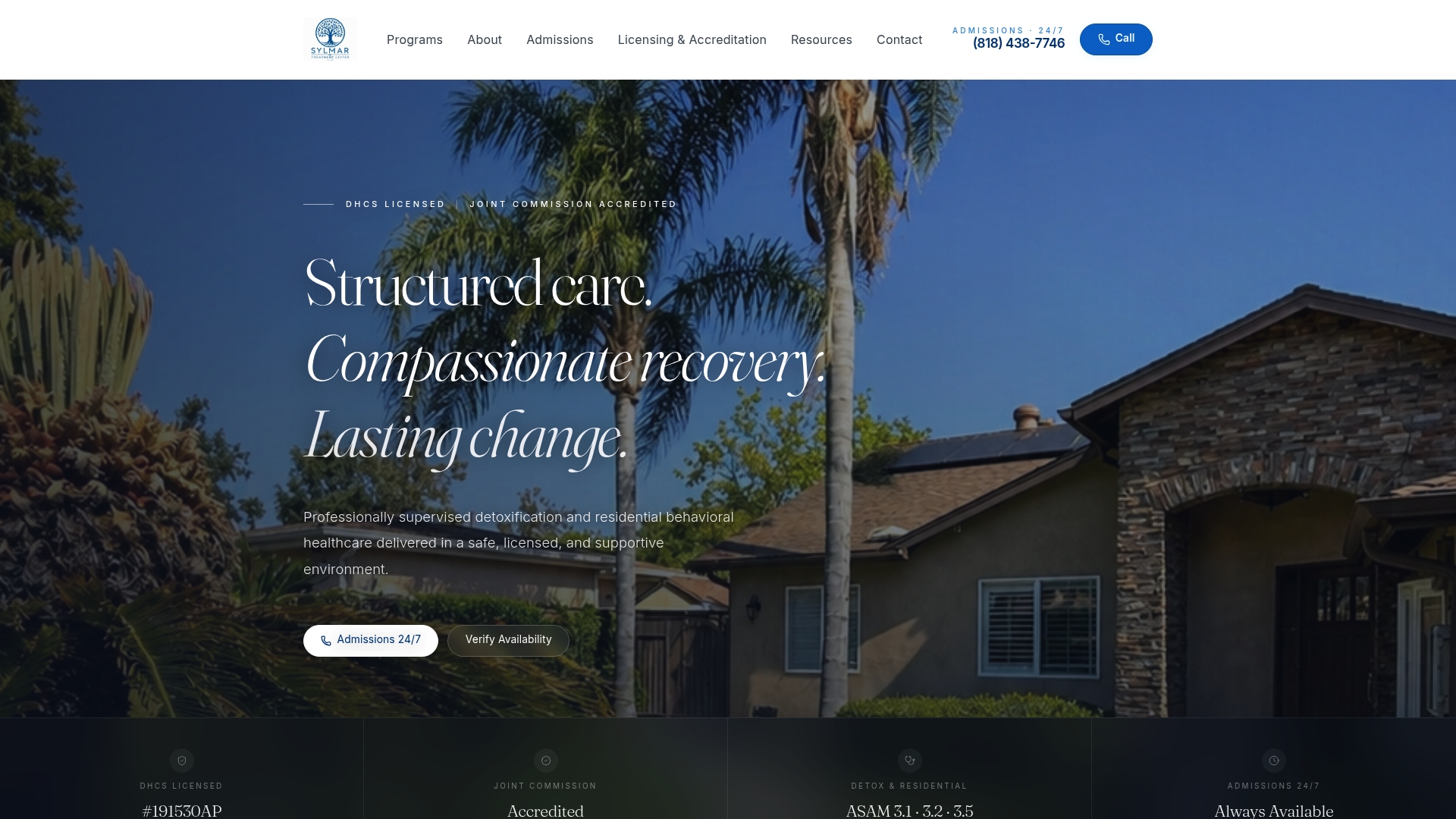
The center’s intimate six-bed setting means clinical staff maintain close, continuous contact with each patient throughout the detox process. That level of attention is what makes symptom-triggered dosing and real-time protocol adjustments possible. Sylmartreatmentcenter holds both a DHCS license and Joint Commission accreditation, providing families with verified assurance of care quality. For patients managing co-occurring mental health conditions alongside substance withdrawal, the center’s dual diagnosis programs address both simultaneously. Contact Sylmartreatmentcenter to learn more about individualized detox options and what to expect from day one.
FAQ
What is a detox treatment protocol?
A detox treatment protocol is a medically supervised plan for managing withdrawal symptoms as a substance clears the body. Protocols specify medications, monitoring tools, and duration based on the substance involved.
How long does medical detox take?
Detox duration varies by substance: alcohol detox typically runs 5–7 days, opioid detox 5–10 days, stimulant detox 1–2 weeks, and benzodiazepine tapers can take 2–8 weeks.
Is it safe to detox at home?
Home detox from alcohol or benzodiazepines is not safe. Both carry risks of fatal seizures and delirium that require clinical monitoring and medication management to prevent.
What is the CIWA-Ar scale used for?
CIWA-Ar is a clinical tool that measures alcohol withdrawal severity. Clinicians use the score to determine when and how much medication a patient needs, replacing fixed-schedule dosing with a safer, symptom-triggered approach.
Do natural detox methods replace medical detox?
Natural detox methods like hydration and balanced nutrition support the body’s ongoing liver and kidney function. They do not manage acute withdrawal from substances and should never replace medically supervised detox programs.