

If you need a detox bed today, call your state’s substance use access line (or dial 211) and call treatment facilities directly at the same time, since phone confirmation beats any online listing. If withdrawal symptoms already feel dangerous (seizures, confusion, severe shaking, or a history of alcohol or benzodiazepine dependence), go to the nearest Emergency Department now rather than waiting on a callback. We offer 24/7 admissions support and medically supervised detox for individuals ready to move on a same-day basis.
TL;DR:
- Calling your state’s access line or dial 211 provides the most reliable real-time information on available detox beds, as online tools are frequently outdated.
- Medical severity and withdrawal risk determine admission priority, meaning a listed bed is not guaranteed until confirmed by direct facility contact.
- If withdrawal symptoms become severe or involve seizures or hallucinations, immediate emergency care at an emergency department is crucial for safety.
- Starting medication-assisted treatment through telehealth or emergency referral can help reduce overdose risk while waiting for a residential detox bed.
- Documenting all details and confirmation calls improves chances of securing admission, as facilities often hold beds temporarily and prioritize based on medical urgency.
Table of Contents
- Where to check live detox bed availability right now
- Immediate safety steps if you can’t find a bed right now
- How facilities prioritize admissions and why a listed bed isn’t guaranteed
- Safe alternatives while you wait for a bed
- What to ask when you call a facility or access line
- How we handle rapid admissions and medically supervised detox
- How to reach us for immediate admission
- FAQ
- Sources
Where to check live detox bed availability right now
Online bed-finder tools give you a starting point, not a guarantee. State access lines and 211 services maintain phone-based and sometimes web-based listings of open slots, but facilities update their own counts at different speeds, so a bed shown as open online may already be filled or held for a pending transfer. Publicly reported availability listings are informational and do not guarantee admission; facilities prioritize by medical severity and need, so calling directly is the only way to confirm a real opening.
Work through these in order:
- Call your state’s access line or dial 211 for a live list of facilities reporting openings.
- Call each facility on that list directly, since phone confirmation is usually required to hold a slot.
- Check facility websites for same-day admission language and direct admissions phone numbers.
- If every listed option is full, ask the access line staff about waitlist placement and alternate facilities nearby.
Before you start dialing, gather basic facts so each call moves fast: substance(s) used, time of last use, any medical conditions, current medications, insurance information, and whether you have transportation to the facility. Having this ready means a facility can often tell you within minutes whether a bed fits your situation. If every number comes back with no openings, ask specifically about waitlist position, triage criteria, and whether a sister facility or partner program has capacity instead.
Immediate safety steps if you can’t find a bed right now
Not finding an open bed does not mean waiting it out at home, especially for alcohol, benzodiazepine, or severe opioid withdrawal. These substances carry real medical risk during withdrawal, and unsupervised cessation can be dangerous.
- If you notice seizure activity, confusion, hallucinations, or a prior history of severe withdrawal, go to the nearest Emergency Department immediately.
- If symptoms are present but not yet severe, call a crisis line or your primary care provider to ask about same-day options, including telehealth medication-assisted treatment (MAT).
- If you’re supporting someone else, stay with them and avoid leaving them to manage withdrawal alone while you continue searching for a bed.
Emergency Departments can stabilize acute withdrawal and often connect patients to the next available treatment slot, which makes them a legitimate bridge, not just a last resort.
Pro Tip: Keep the Emergency Department’s number and address saved before you start calling around. It’s faster to act on a safety plan you already have than to search for one mid-crisis.
How facilities prioritize admissions and why a listed bed isn’t guaranteed
Facilities rarely work on a strict first-come basis. Medical severity, specific withdrawal risk, and bed type (medical versus social detox) all factor into who gets the next opening. The ASAM patient placement criteria define levels of care ranging from ambulatory detox to medically managed intensive inpatient treatment, and facilities match incoming patients to the level their withdrawal risk requires. A caller going through alcohol or benzodiazepine withdrawal, for example, may be prioritized for a medically supervised bed over someone in a lower-risk category.

Insurance authorization and funding structures, including state 1115 waivers for substance use disorder treatment, can also slow admission even after a bed is confirmed, since some programs require pre-authorization before intake.
When you call, ask directly:
- Is this bed confirmed for me, or is it a general opening that could be filled by someone else first?
- Does this facility treat my specific substance and withdrawal history at the level I need?
- What has to happen before I can be admitted today?
Safe alternatives while you wait for a bed
Waiting for residential detox doesn’t mean doing nothing. SAMHSA lists Partial Hospitalization Programs (PHP), Intensive Outpatient Programs (IOP) paired with sober living, and medication-assisted treatment (MAT) as options when a residential bed isn’t immediately available, and some of these can start the same day.
- PHP offers structured daily treatment without an overnight stay, useful when symptoms are present but manageable.
- IOP combined with sober living gives you supervised housing plus regular treatment hours while you wait for a residential opening.
- MAT, especially for opioid use disorder, can often be started through an Emergency Department referral, primary care visit, or telehealth appointment faster than residential placement.
Starting MAT while you continue searching for a residential bed reduces overdose risk in the meantime, since the medication itself addresses physical dependence regardless of where you are on a waitlist.
Pro Tip: Ask your crisis line contact or primary care provider about same-day telehealth MAT appointments, since many can be scheduled within hours.
Combining steps works best: start MAT, enroll in an IOP, and arrange sober living or a supportive relative’s home in the same week, so you stay stable and ready when the residential bed opens.
What to ask when you call a facility or access line
Treat every call as a short verification script, not a casual conversation.
- Ask whether the opening is a confirmed bed or a temporary hold pending another transfer.
- Confirm the facility treats your specific substance and can safely manage your withdrawal level.
- Ask what documents, insurance information, or medical records you need to bring.
- Ask about transportation options if you don’t have a reliable way to get there.
- Get the staff member’s name, direct phone number, and the exact next step, whether that’s a scheduled intake time or a waitlist position.
Writing down names, times, and next steps matters: callers who document these details convert reported openings into actual admissions more reliably because they can respond fast when a facility calls back needing paperwork.
How we handle rapid admissions and medically supervised detox
We run a small facility with limited beds, which means every admission gets individual attention rather than competing for space in a large unit. Our team takes admissions calls 24/7, so if you’re searching for same-day placement, you can reach a real person immediately rather than leaving a message and waiting. Our clinical programs are built around evidence-based detox protocols and dual diagnosis care for co-occurring mental health conditions.
If you’re evaluating us for immediate admission, call our admissions line, have your insurance information ready, and be prepared to describe your current symptoms and substance history so our clinical team can assess fit quickly.
— Jim
How to reach us for immediate admission
We know that every hour spent searching for an open bed is an hour of added stress for you or your family, which is why our admissions line stays staffed around the clock rather than routing calls to voicemail overnight. Our Medical Detoxification program is built for exactly this moment: same-day calls, a same-day clinical assessment, and a direct answer about whether we have capacity for your situation.
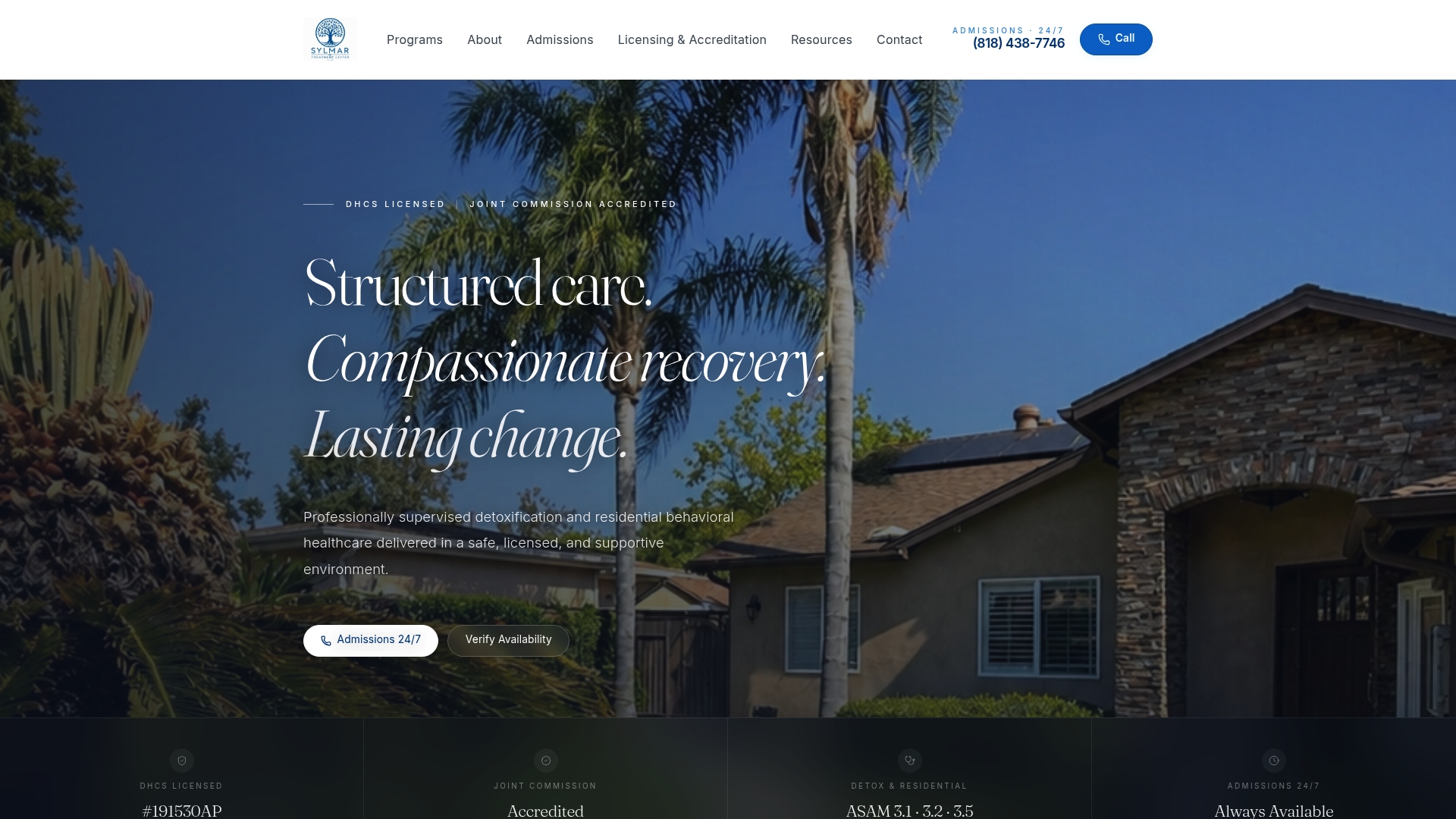
When you call, our team walks you through intake step by step:
- We ask about your substance history, last use, and any current withdrawal symptoms.
- We verify your insurance or discuss payment before you arrive, so there are no surprises at intake.
- We explain what to bring and what to expect during your first 24 hours with us.
If detox isn’t your immediate need, our Residential Treatment and Medication Management programs cover ongoing care, and our Dual Diagnosis Support program addresses co-occurring mental health conditions alongside substance use. Call our admissions line now to ask about today’s openings and what medical clearance looks like for your situation.
This article is general information, not a substitute for advice from a qualified doctor. Consult a qualified healthcare professional about your own circumstances before acting on anything here.
FAQ
How can I check if a state-run detox bed is available?
Most states run a behavioral health access line you can call directly, and many regions also list availability through 211 services. Calling is more reliable than checking an online dashboard alone, since listings are informational and facilities confirm real openings by phone.
How long does a person typically stay in detox?
Length of stay depends on the substance involved and the severity of withdrawal, with medically supervised settings often required for alcohol, benzodiazepines, or opioids. The ASAM placement criteria guide clinicians in matching withdrawal risk to the appropriate level and duration of care rather than a fixed timeline.
How do I find housing after finishing a detox or rehab program?
Many people transition from detox into sober living or transitional housing paired with outpatient treatment like IOP, which keeps structure in place while you adjust to daily life. Planning this transition before detox ends supports better outcomes, since detox alone is only the first step in recovery.
What should I do if no detox bed is available anywhere?
If withdrawal risk is severe, go to the nearest Emergency Department immediately rather than waiting. If symptoms are manageable, use the waiting period to arrange insurance, gather paperwork, and look into interim supports like PHP, IOP, or MAT while you continue calling for an opening.
Does Sylmar Treatment Center accept same-day admissions?
We take admissions calls 24/7 and assess same-day requests based on current capacity within our six-bed facility. Call our admissions line directly to describe your situation and find out whether we have an opening today.
Sources
- SAMHSA blog — Treatment options for substance use disorders
- Detoxification and substance abuse treatment — NCBI Bookshelf (TIP)
- No beds available: What to do when you’re on a waitlist for addiction treatment — Partnership to End Addiction