
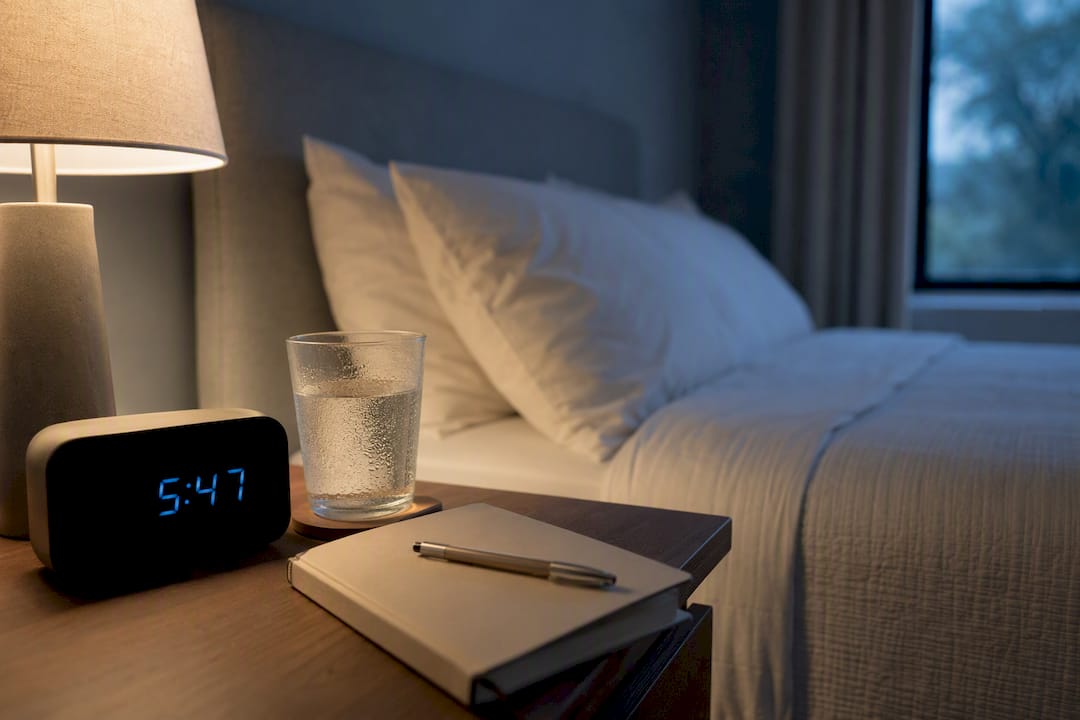
Good sleep hygiene speeds physical and emotional recovery and lowers relapse risk. That’s the finding across clinical research on addiction and mental-health treatment, and it’s the piece most early-recovery plans underweight. Three things to do tonight: pick one wake-up time and hold it every day, start a 30 to 60 minute wind-down with no screens, and move your phone charger outside the bedroom. These aren’t cure-alls. But they’re the fastest lever most people in recovery can pull without a clinician’s help.
- Set a fixed wake time, even on hard mornings.
- Build a 30 to 60 minute wind-down routine before bed.
- Get screens and phones out of the bedroom entirely.
If sleep problems persist after a few weeks of consistent habits, that’s a signal to talk to a clinician, not a sign you’re doing hygiene wrong.
Key Takeaways
Sleep hygiene works in recovery because it stabilizes the biological and psychological systems, hormonal regulation, memory consolidation, and stress response, that substance use and withdrawal disrupt most.
| Point | Details |
|---|---|
| Sleep drives physical repair | Deep sleep regulates growth hormone and inflammation, both critical during physical recovery from substance use. |
| Non-response is a clinical signal | If consistent hygiene doesn’t help within a few weeks, that points toward CBT-I or a sleep-disorder evaluation. |
| Research links sleep to relapse risk | A 12-week sleep-focused intervention in one trial was associated with reduced relapse inclination. |
| Environment and schedule matter most | A fixed wake time, dark and cool room, and a screen-free wind-down solve the majority of hygiene-level problems. |
| Residential structure fills the gap | Sylmartreatmentcenter integrates sleep-hygiene groups and individualized planning within a licensed, accredited six-bed facility. |
Table of Contents
- What role does sleep hygiene play in recovery?
- What sleep problems are common in early recovery?
- What does the research say about sleep and relapse risk?
- What sleep-hygiene strategies actually work in recovery?
- When does sleep hygiene stop being enough?
- Sources
What role does sleep hygiene play in recovery?
Sleep is when the body does its repair work, and recovery from addiction or mental illness runs on the same biological machinery. During deep sleep, the body releases growth hormone, synthesizes protein, and dials down inflammatory markers that stay elevated during active substance use and withdrawal. A comprehensive review of sleep and recovery physiology found that poor sleep raises cortisol, suppresses anabolic hormones, and directly impairs the tissue-repair pathways the body needs after months or years of physical strain.
The brain has its own repair schedule. Memory consolidation, emotional processing, and impulse control all depend on getting enough REM and slow-wave sleep. Skimp on either stage and the prefrontal cortex, the part of the brain responsible for weighing consequences and resisting cravings, simply works worse the next day.
That’s not an abstract concern in recovery. Sleep loss and dysregulated dopamine and cortisol signaling feed each other: poor sleep raises stress hormones, stress hormones intensify craving circuits, and craving makes sleep harder to get. It’s a loop, and breaking it anywhere helps break it everywhere.
Insufficient sleep is common enough that it counts as a public health issue on its own. The CDC’s national sleep data shows a large share of American adults regularly fail to get enough sleep or struggle to fall and stay asleep, independent of any addiction or mental-health history. Layer a substance use disorder or psychiatric condition on top of that baseline, and the odds of a sleep problem climb sharply.
What sleep supports during recovery, specifically:
- Emotional regulation and mood stability day to day
- Memory and learning, which matters for therapy retention
- Impulse control and decision-making under stress
- Immune function and physical tissue repair
- Lower baseline cortisol, which blunts craving intensity
What sleep problems are common in early recovery?
Early recovery sleep is rarely simple insomnia. Withdrawal itself disrupts sleep architecture, often producing hyperarousal, vivid or disturbing dreams, and a nervous system that stays on alert long after the substance clears the body. Alcohol and benzodiazepine withdrawal in particular can suppress REM sleep initially, then trigger a REM rebound with intense, unsettling dreams weeks later.
Medications complicate things further. Antidepressants, especially SSRIs, can suppress REM sleep or cause vivid dreaming. Antipsychotics often sedate heavily at first, then lose that effect over weeks. Opioid tapers frequently produce a stretch of fragmented, shallow sleep that can last well beyond acute withdrawal.
Add in circadian disruption. Irregular routines, unstable housing, or a treatment schedule that doesn’t match the body’s natural rhythm all push bedtime and wake time around unpredictably. And self-medication is its own trap: using alcohol or sedatives to force sleep, or stimulants to fight daytime fatigue from bad sleep, both worsen sleep quality over time even when they feel like they help in the moment.
- Withdrawal-driven hyperarousal and nightmares
- Medication side effects on sleep depth and REM
- Circadian disruption from unstable routines
- Self-medication cycles that mask the underlying problem
Pro Tip: Keep a simple sleep log for two weeks; noting bedtime, wake time, and how rested you feel helps you and a clinician tell the difference between a hygiene problem and something that needs treatment.
Basic hygiene changes tend to help when the problem is irregular timing, an overstimulating environment, or stress that hasn’t found another outlet. They tend not to be enough when insomnia persists past a month of consistent effort, when nightmares are frequent and severe, or when a medication seems to be the direct cause.
What does the research say about sleep and relapse risk?
The clinical evidence connecting sleep treatment to recovery outcomes is still growing, but two studies stand out for treating sleep as a direct intervention target rather than an afterthought.
A 2022 trial published in Frontiers in Public Health tested a 12-week Health Qigong program, aimed specifically at treating sleep disorders, in people with substance use disorders. Participants who completed it showed measurable improvements in sleep quality, and those improvements were associated with reduced relapse inclination, an effect that appeared to work partly through improved quality of life.
A pilot study of a residential dual-diagnosis facility tracked 28 patients who took part in nightly sleep-hygiene groups covering relaxation techniques and routine building. Assessments taken 30 days after discharge showed meaningful improvements in both substance-use patterns and mental-health symptoms, though the study design couldn’t fully isolate sleep hygiene as the sole cause.
Clinicians increasingly use sleep hygiene as a diagnostic tool: when insomnia doesn’t respond to consistent habits and behavioral adjustments, that non-response is itself the signal to evaluate for a primary sleep disorder or move to structured treatment like CBT-I, according to Harvard Medical School’s sleep health education program.
In practice, this is why programs that build in sleep-hygiene groups alongside individualized treatment plans tend to see better engagement. Group formats normalize the struggle, and individualized follow-up catches the cases that need more than a routine adjustment.
- Sleep-focused interventions can reduce relapse inclination, not just improve rest
- Non-response to hygiene changes is a clinical red flag worth acting on
- Group-based sleep support fits naturally into residential dual-diagnosis care
What sleep-hygiene strategies actually work in recovery?
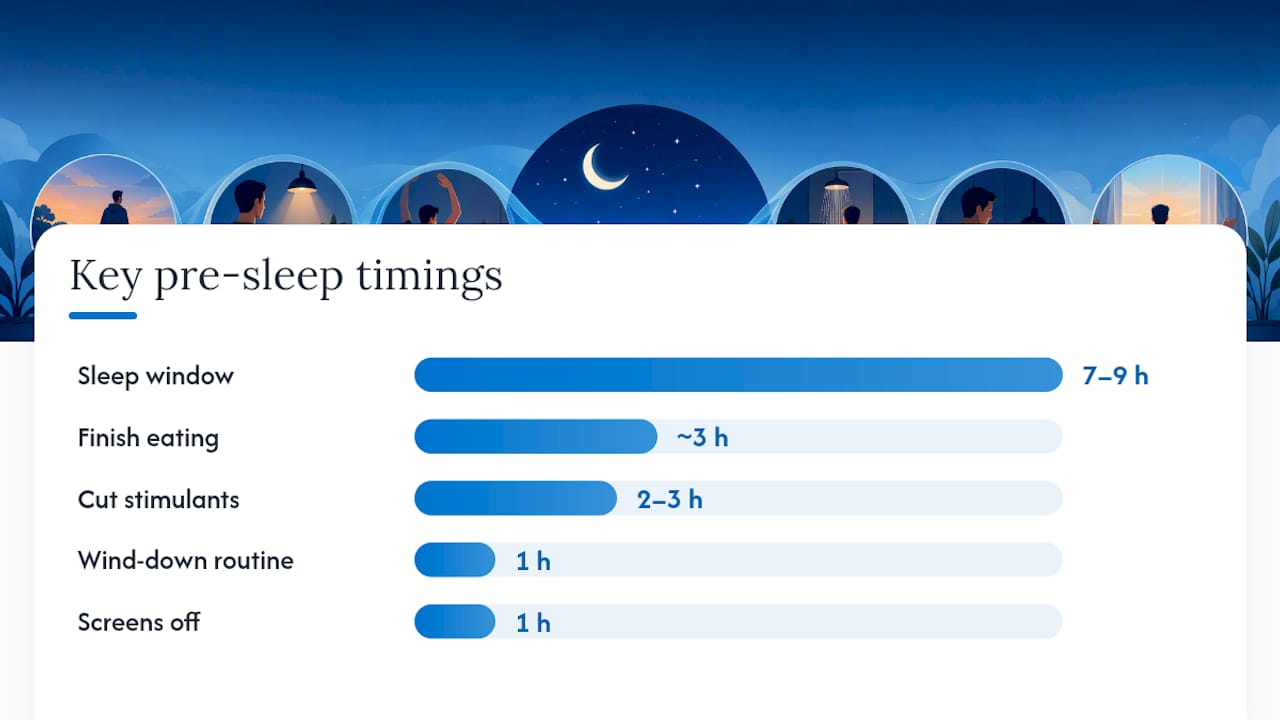
Start with schedule, not bedtime. Lock in a wake time you can hit seven days a week, including weekends, and let bedtime follow from that. A useful mental checklist, adapted for recovery, runs backward from lights-out:
- Plan the sleep window first. Decide your wake time, then count back 7 to 9 hours to set a target bedtime.
- Finish eating roughly 3 hours before bed. Heavy or late meals raise core body temperature and disrupt sleep onset.
- Cut stimulants 2 to 3 hours before bed. That includes caffeine, nicotine, and, for many people early in recovery, intense cardio.
- Start a 1-hour wind-down. Dim lights, try progressive muscle relaxation, guided imagery, or slow breathing exercises. This is also where basic CBT-I stimulus-control ideas fit: use the bed only for sleep, and if you’re not asleep in 20 minutes, get up and do something calm elsewhere.
- Get to zero screens. Phones, tablets, and TVs stay off for that final hour; blue light and stimulating content both delay sleep onset.
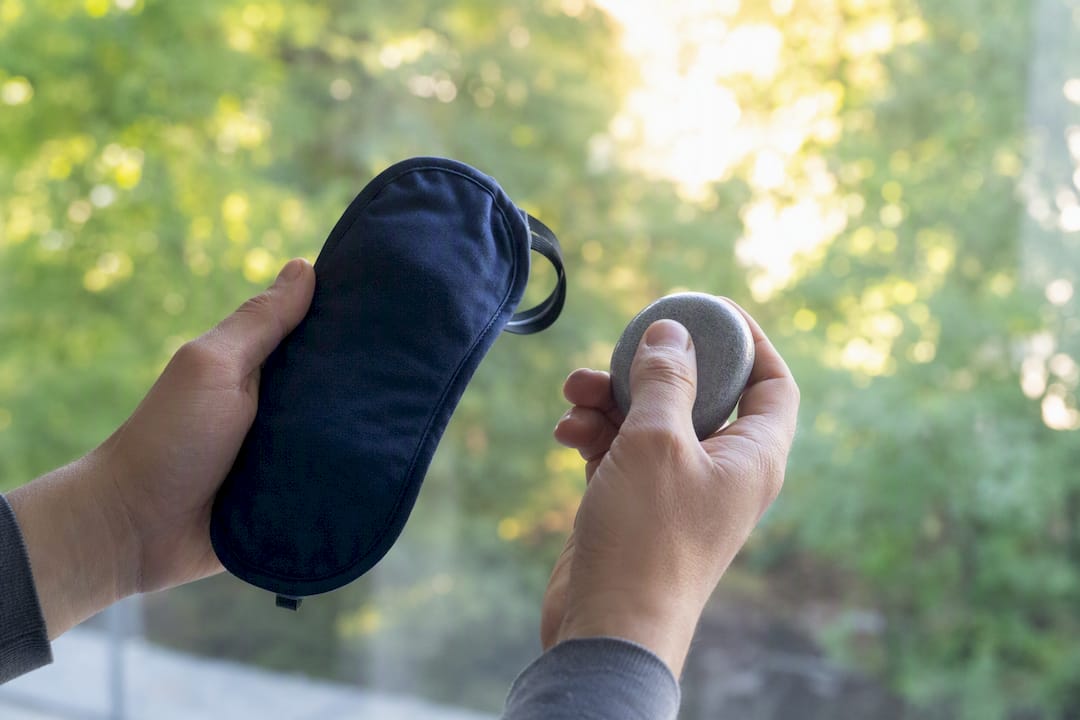
Environment matters as much as timing. Keep the room dark, cool, and quiet, and reserve the bed for sleep, not scrolling or worrying. In shared or residential settings where you can’t control the whole room, earplugs and an eye mask do most of the work a private bedroom would.
Daytime habits carry real weight too. A network meta-analysis of nonpharmacological sleep interventions found resistance training among the most effective ways to improve subjective sleep quality, more so than some other forms of exercise. Time workouts earlier in the day when possible, and treat naps as short and early, not a substitute for nighttime sleep.
Pro Tip: If racing thoughts keep you up, keep a notepad by the bed and write down whatever’s looping through your head. Getting it out of your mind and onto paper often does more than trying to think your way to calm.
When does sleep hygiene stop being enough?
Hygiene fixes the environment and the routine. It doesn’t fix a diagnosable sleep disorder, and it won’t outmuscle a medication that’s actively disrupting your sleep architecture.
Cognitive behavioral therapy for insomnia, known as CBT-I, is the recommended first-line treatment when hygiene alone hasn’t worked after several weeks. It combines stimulus control, sleep restriction, and cognitive techniques to break the anxious association between bed and wakefulness, and Sleep Foundation clinical guidance describes it as more durable than medication for chronic insomnia in most people.
Medication has a role, but a narrow one in recovery. Short-term sleep aids carry real interaction and dependency risks for anyone with a substance use history, which is exactly why medication decisions need psychiatric oversight rather than trial and error.
Persistent snoring, gasping during sleep, or restless, uncomfortable legs at night point toward sleep apnea or restless leg syndrome, both of which need a clinical evaluation, not more willpower.
- Bring a two-week sleep diary to your first appointment.
- List every medication and supplement you’re taking, including timing.
- Ask directly whether your current medications could be disrupting sleep architecture.
| Signal | What it usually means |
|---|---|
| Insomnia persists past 3-4 weeks of consistent hygiene | Consider CBT-I or a sleep specialist referral |
| Loud snoring or gasping at night | Screen for sleep apnea |
| Frequent, severe nightmares | Review medications and consider trauma-informed care |
| Restless, uncomfortable legs at night | Evaluate for restless leg syndrome |
A clinical perspective on getting sleep back on track
Most people in early recovery expect sleep to fix itself once the substance is gone. It rarely does, and that catches people off guard. Start with one habit this week, not five. Track it, even loosely. Expect gradual, uneven gains, not a switch flipping. If sleep still won’t cooperate after real effort, that’s not failure. That’s the point where clinical support earns its keep.
How Sylmar Treatment Center supports sleep during residential recovery
Sleep rarely stabilizes on willpower alone, especially in the first weeks after detox, when the body’s rhythms are still recalibrating. Sylmartreatmentcenter builds nightly sleep-hygiene groups directly into its residential programs, pairing relaxation training with the kind of consistent daily structure that’s nearly impossible to maintain outside a supervised setting.
What makes that structure work is the setting itself. Sylmartreatmentcenter operates a six-bed residential facility, licensed by the DHCS and accredited by the Joint Commission, where individualized care plans account for medication effects on sleep, co-occurring psychiatric conditions, and the physical toll of withdrawal all at once. That’s a level of dual-diagnosis support that a self-directed hygiene routine can’t replicate on its own, particularly for anyone whose sleep problems are tangled up with medication management or a mental-health diagnosis.
If sleep hygiene alone hasn’t moved the needle for you or someone you love, explore Sylmartreatmentcenter’s treatment programs or reach out to admissions to talk through what medically supervised, structured care could look like.
Sources
- Sleep disorders as a prospective intervention target to prevent drug relapse — Frontiers in Public Health
- The impact of a sleep hygiene intervention on residents of a private residential facility for individuals with co-occurring mental health and substance use disorders: results of a pilot study — PubMed
- Sleep and athletic performance: a multidimensional review of physiological and molecular mechanisms — PMC