

Detox is defined as the medically supervised process of clearing addictive substances from the body while managing withdrawal symptoms safely. Understanding what does detox involve for families goes far beyond the clinical steps. Your role as a family member directly shapes whether your loved one stabilizes, stays engaged in treatment, and builds a foundation for lasting recovery. This guide covers the medical process, your emotional role, program options, and the practical steps that make the biggest difference from day one through long-term care.
What does detox involve for families medically?
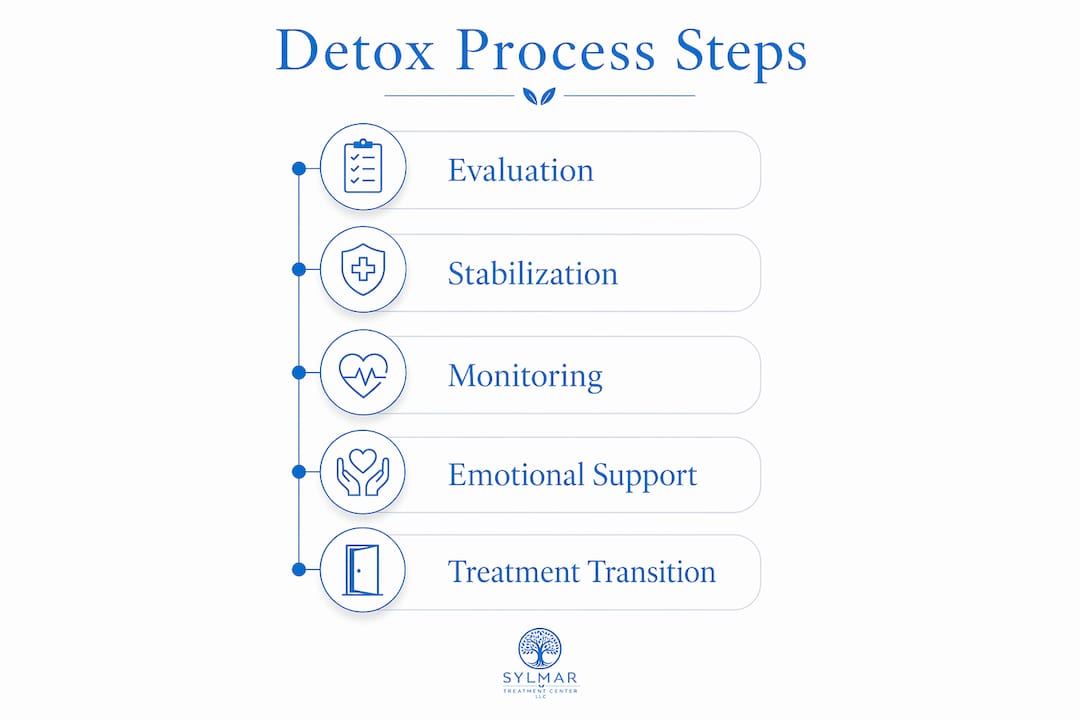
Medically supervised detox involves three core phases: evaluation, stabilization, and transition to ongoing treatment. During evaluation, clinicians assess the substance used, duration of use, medical history, and mental health status. Stabilization is where withdrawal symptoms are actively managed, often with medications like benzodiazepines for alcohol withdrawal or buprenorphine for opioid withdrawal. The final phase prepares the patient for the next level of care.
Families need to understand what withdrawal actually looks like. Symptoms range from anxiety, sweating, and insomnia to severe complications like seizures or delirium tremens in high-risk cases. Seeing a loved one in physical distress is frightening. Knowing these symptoms are expected and medically managed helps families stay calm and supportive rather than panicked.

The American Society of Addiction Medicine (ASAM) uses a multidimensional assessment tool to determine the right level of care. ASAM Dimension 6 specifically evaluates the recovery environment, including family support, housing stability, and social relationships. This means your family situation is a clinical factor, not just background information. A chaotic or unsupportive home environment can directly influence whether a patient is placed in inpatient versus outpatient detox.
Key withdrawal symptoms families should recognize:
- Alcohol withdrawal: tremors, sweating, confusion, potential seizures within 6–72 hours of last drink
- Opioid withdrawal: muscle aches, nausea, vomiting, intense cravings, insomnia
- Benzodiazepine withdrawal: anxiety, panic, hallucinations, seizure risk
- Stimulant withdrawal: fatigue, depression, increased sleep, mood swings
Pro Tip: Ask the treatment team for a written summary of what withdrawal symptoms to expect and which ones require immediate medical attention. This one step removes most of the fear families carry into the process.
How can families provide emotional support during detox?
Family involvement in therapy and support groups strengthens relationships and directly supports recovery outcomes. The most effective thing you can do during detox is show up consistently, without judgment, and with a willingness to learn. That combination is rarer than it sounds.
Here are the most impactful steps families can take during the detox period:
- Participate in family therapy sessions. Most inpatient programs offer structured family sessions. Attend every one. These sessions are not about blame. They are about rebuilding communication and understanding the disease model of addiction.
- Educate yourself about addiction. Informed families provide better support because they replace judgment with empathy. Read materials provided by the treatment team. Organizations like the Substance Abuse and Mental Health Services Administration (SAMHSA) offer free family guides.
- Prepare the home environment. Remove alcohol, prescription medications not in use, and any substances from the home before your loved one returns. A physically safe space reduces relapse triggers immediately.
- Join a support group for families. Al-Anon and Nar-Anon are free, widely available, and specifically designed for family members of people in recovery. These groups normalize your experience and provide practical coping tools.
- Set clear, compassionate boundaries. Boundaries are not punishments. They are agreements that protect both you and your loved one. Work with a counselor to define what you will and will not support during recovery.
Pro Tip: Write down your boundaries before any family therapy session. Verbal agreements made under emotional pressure rarely hold. A written list keeps you grounded when conversations get difficult.
The benefits of family detox involvement extend beyond the individual. Guided family involvement prepares everyone for the challenges ahead and reduces the helplessness that family members often feel during this period.
Inpatient vs. outpatient: which detox program fits your family?
Detox programs vary significantly in intensity, and the right choice depends on medical need, family support capacity, and the substance involved. Understanding your options helps you advocate effectively for your loved one.
| Program Type | Medical Oversight | Family Involvement | Best For |
|---|---|---|---|
| Inpatient Medical Detox | 24/7 physician and nursing care | Structured family visits and therapy | Severe withdrawal risk, complex medical needs |
| Residential Detox | Daily clinical monitoring | Regular family sessions, phone contact | Moderate withdrawal, unstable home environment |
| Outpatient Detox | Scheduled clinic visits | High family involvement at home | Mild withdrawal, stable and supportive home |
| Ambulatory Withdrawal Management | Nurse or counselor check-ins | Family as primary daily support | Low medical risk, strong home support system |
High-acuity inpatient programs manage severe withdrawal and complex medical needs, and they integrate family support more directly through structured programming. Outpatient detox places more responsibility on the family to monitor symptoms and maintain a safe environment at home. Neither is inherently better. The right fit depends on the clinical picture.
Family dynamics directly influence whether a patient can step down to outpatient care sooner or requires continued inpatient support. A stable, educated, and engaged family often enables a faster and safer transition. An unstable or enabling home environment can require a longer inpatient stay regardless of the patient’s medical progress.
Questions to ask when evaluating a program:
- Does the program include structured family therapy sessions?
- What is the protocol for family communication during inpatient stays?
- How does the program prepare families for the transition home?
- Is there a family education component built into the program?
Detox tips for families: what to do and what to avoid
The most common family mistakes during detox are not malicious. They come from love applied without boundaries or education. Knowing the difference between support and enabling is the most practical skill a family member can develop.
Do these things:
- Maintain consistent, calm communication with your loved one and the treatment team
- Attend every family session offered by the program
- Ask the detox assessment team to explain the care plan in plain language
- Prepare a written list of questions before each clinical meeting
- Take care of your own mental health through therapy or support groups
Avoid these behaviors:
- Bringing substances into the facility or home, even “just once”
- Making promises about what life will look like after detox before a care plan is in place
- Expressing frustration or disappointment during visits, which increases shame and reduces engagement
- Pressuring the treatment team to discharge your loved one early
- Treating detox completion as the finish line. Detox is the starting point, not the solution.
Clear communication and set boundaries prevent enabling behaviors that can derail recovery. Families who understand this distinction become assets in the treatment process rather than unintentional obstacles.
How family support shapes recovery after detox
Detox addresses physical dependence. Long-term recovery requires sustained behavioral, emotional, and environmental change. Families are the most consistent force in that environment.
Collaboration with treatment providers and a stable home environment improve long-term recovery outcomes. The post-detox period, typically the first 90 days, carries the highest relapse risk. Your actions during this window matter more than at almost any other point.
Family roles in post-detox recovery:
- Attend outpatient therapy sessions when invited by the clinical team
- Support consistent attendance at 12-step meetings or other peer recovery programs
- Recognize early warning signs of relapse: withdrawal from family, changes in sleep or mood, reconnecting with people associated with past use
- Avoid creating high-stress situations at home during the early recovery period
- Celebrate milestones, including 30, 60, and 90 days of sobriety, in meaningful but low-pressure ways
The individualized care plan created after detox should include specific family roles and responsibilities. Ask to be part of that conversation. Treatment teams at quality programs expect and welcome family participation in discharge planning.
For families navigating co-occurring mental health conditions alongside addiction, resources like integrated mental health treatment can provide additional support structures that complement the detox and recovery process.
Key takeaways
Family involvement in medically supervised detox is a clinical factor that directly shapes placement decisions, withdrawal management, and long-term recovery outcomes.
| Point | Details |
|---|---|
| Detox is medically managed | Evaluation, stabilization, and monitoring are the three core phases families should understand. |
| ASAM criteria include family | Family environment is assessed clinically under Dimension 6 and influences level-of-care decisions. |
| Education reduces judgment | Families who understand withdrawal symptoms provide empathy instead of frustration during the hardest days. |
| Boundaries protect recovery | Clear, written boundaries prevent enabling and create a stable foundation for post-detox life. |
| Family role continues after detox | The 90 days after detox carry the highest relapse risk, and consistent family support is the strongest protective factor. |
What i’ve learned about families in the detox process
Most families arrive at detox with two feelings running at the same time: relief that their loved one is finally getting help, and terror about what comes next. Both are completely valid. What I have seen repeatedly is that the families who do best are not the ones who do everything right. They are the ones who stay engaged even when it is uncomfortable.
The single most overlooked thing families do is treat detox as the hard part. Detox is actually the most medically supported phase of the entire process. The harder work starts when your loved one comes home and the clinical scaffolding is gone. That is when your preparation, your boundaries, and your own mental health become the treatment.
One thing I always tell families: get your own support before you need it. Join Al-Anon before the discharge date. Start therapy before the crisis. The families who have their own support systems in place are far more effective at holding steady when their loved one struggles. You cannot pour from an empty cup, and recovery is a long road that requires you to stay healthy too.
— Jim
How Sylmartreatmentcenter supports families through detox
Sylmartreatmentcenter was built around the understanding that recovery works best when families are part of the process from the start.
The center’s intimate six-bed setting means your loved one receives direct, personalized attention from clinical staff rather than getting lost in a large facility. Every client receives a comprehensive assessment and a custom care plan that includes family input. Sylmartreatmentcenter holds both DHCS licensure and Joint Commission accreditation, giving families confidence in the quality of care provided. If your family is ready to take the next step, explore the full range of treatment programs available, including medical detox with structured family involvement built in from day one.
FAQ
What does detox involve for families specifically?
Detox involves families in education, emotional support, therapy participation, and home preparation. The ASAM criteria formally assess family environment as a clinical factor in determining the appropriate level of care.
How long does medical detox typically last?
Medical detox typically lasts 3–10 days depending on the substance, severity of dependence, and the individual’s medical profile. Alcohol and benzodiazepine withdrawal often require the longest monitoring periods due to seizure risk.
Can family members visit during inpatient detox?
Most inpatient detox programs allow structured family visits and phone contact, though policies vary by facility. Structured family therapy sessions are commonly offered during or immediately following the detox phase.
What is the difference between detox and rehab?
Detox addresses physical dependence by managing withdrawal symptoms under medical supervision. Rehabilitation addresses the behavioral, psychological, and social factors that drive addiction and typically begins after detox is complete.
How can families prepare for a loved one returning home after detox?
Families should remove all substances from the home, establish clear boundaries, arrange participation in outpatient therapy or support groups, and connect with a family support program like Al-Anon before the discharge date.