
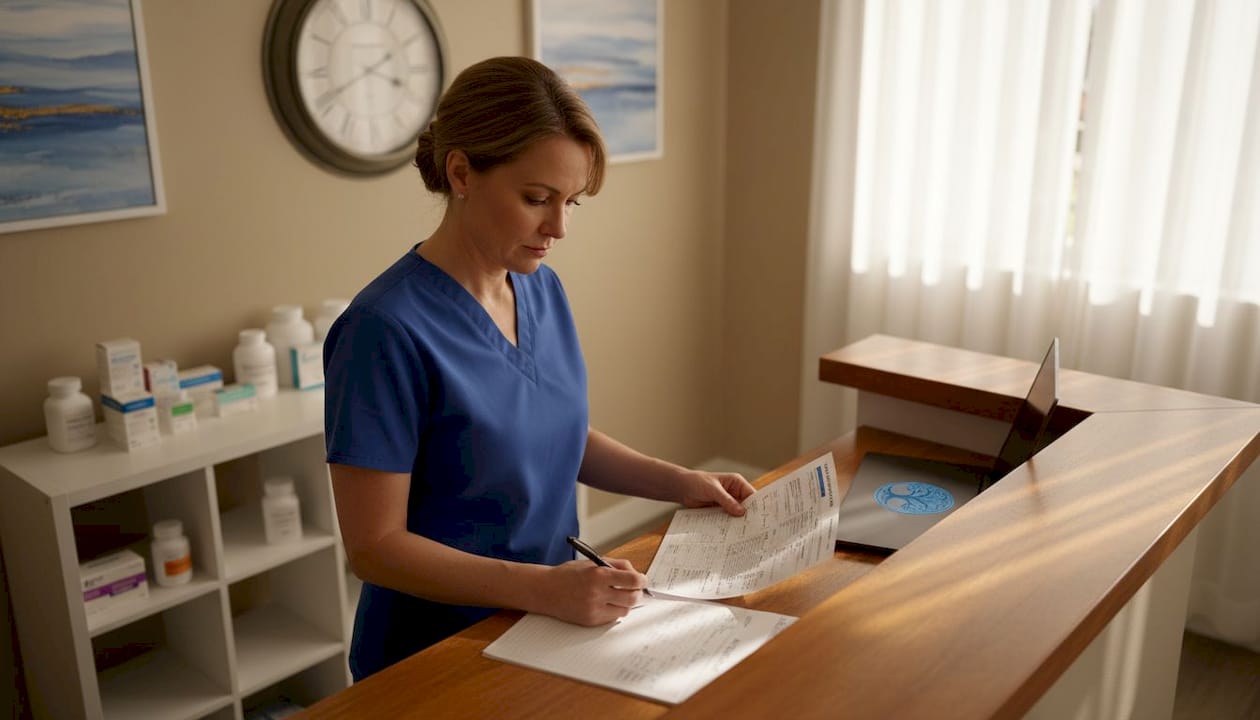
Supervised detox is defined as medically managed withdrawal from substances under 24/7 clinical oversight, and it is the safest way to begin recovery from addiction. Without professional supervision, withdrawal from alcohol or benzodiazepines can cause seizures, delirium tremens, and death. Relapse rates exceed 80% within the first 30 days when detox is attempted without immediate professional follow-up care. That number tells you everything about why supervised detox is necessary. Professional treatment doubles the likelihood of long-term recovery compared to going it alone. Sylmartreatmentcenter provides medically supervised detox in a Joint Commission accredited, six-bed setting designed to keep you safe and supported from day one.
Why supervised detox is necessary: the core case
Medically supervised detox, also called withdrawal management, is the clinical process of clearing substances from your body while a medical team monitors and treats dangerous symptoms. The term “detox” gets used loosely, but the clinical standard is clear: withdrawal from certain substances requires direct medical oversight, not willpower alone.
The stakes are highest with alcohol and benzodiazepines. Alcohol and benzodiazepine withdrawal can trigger life-threatening seizures and delirium tremens, a syndrome involving severe confusion, fever, and cardiovascular instability. These events can happen within hours of the last drink or dose, and they can be fatal without immediate medical intervention.
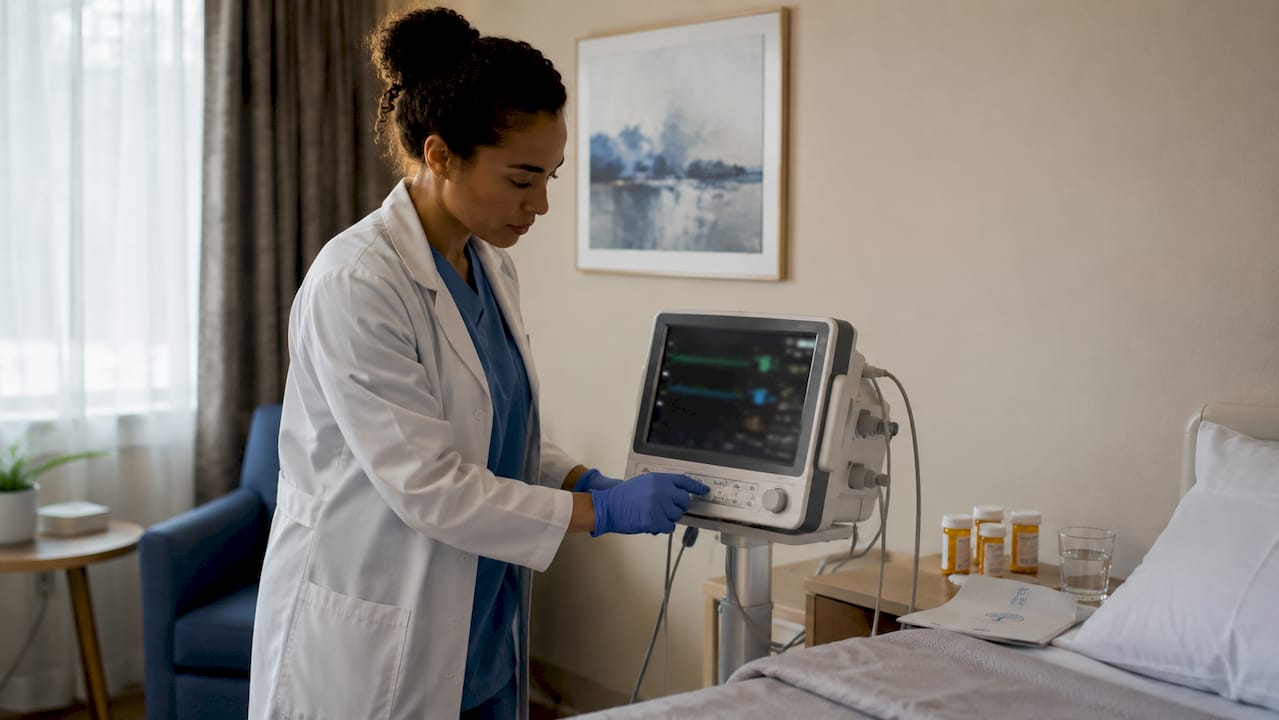
Beyond the physical danger, withdrawal is psychologically brutal. Withdrawal symptoms cause severe psychological distress, driving many people back to substance use just to stop the suffering. Supervised detox addresses both the body and the mind at the same time. That dual focus is what separates a medically managed withdrawal from an attempt made alone at home.
What are the dangers of unsupervised detox?
Attempting detox at home is one of the most dangerous decisions a person can make. The risks are not theoretical. They are documented, predictable, and preventable with proper care.
The most severe dangers cluster around specific substances:
- Alcohol withdrawal can cause grand mal seizures within 6–48 hours of the last drink, even in people who have never had a seizure before.
- Benzodiazepine withdrawal shares a similar mechanism and carries the same seizure and delirium risk, sometimes with a delayed onset of several days.
- Opioid withdrawal is rarely fatal on its own, but the intense physical discomfort, including vomiting, muscle cramps, and insomnia, makes relapse almost certain without support.
- Stimulant withdrawal from cocaine or methamphetamine does not typically cause physical seizures, but stimulant withdrawal carries serious psychological crisis risks, including severe depression and suicidal ideation.
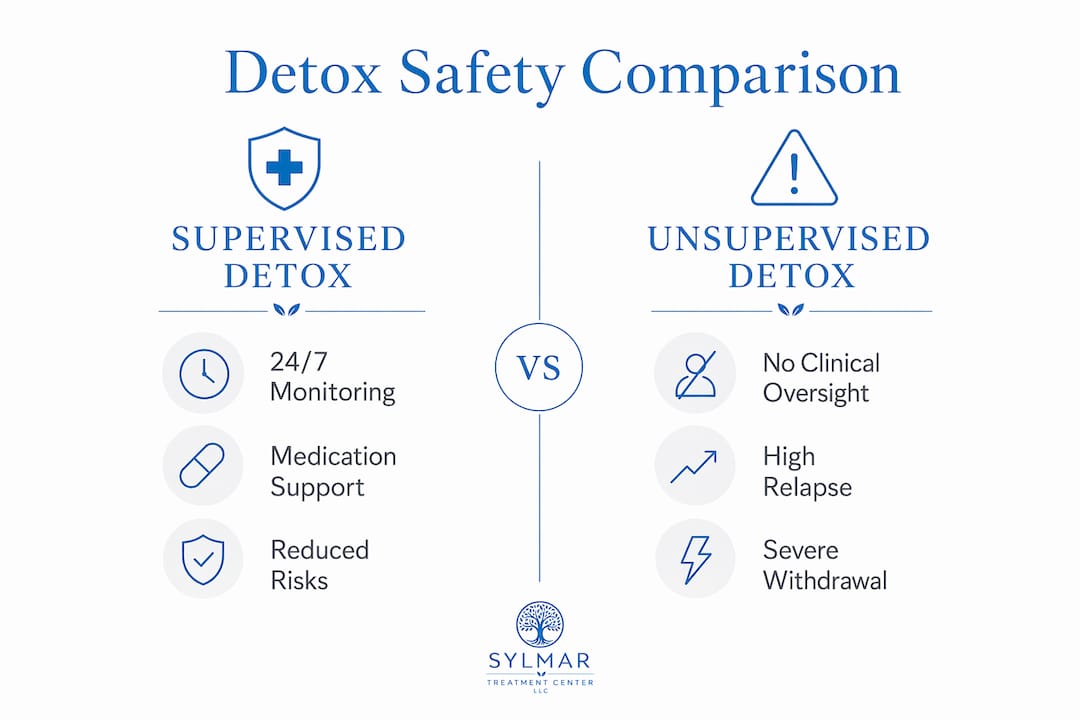
Home detox attempts lack vital monitoring and the medication management available in supervised settings. A person withdrawing alone has no one to call a seizure, no IV fluids for dehydration, and no medication to blunt the worst symptoms. The result is predictable: most people relapse, and some do not survive.
The psychological dimension compounds the physical danger. Cravings during withdrawal are not a character flaw. They are a neurological response to a brain that has reorganized itself around a substance. Without clinical support, that response almost always wins.
How does supervised detox improve safety and comfort?
Medical detox works because it replaces chaos with structure. A clinical team monitors your vital signs around the clock and intervenes before a dangerous symptom becomes a crisis.
The core components of supervised detox include:
- Continuous vital sign monitoring to detect early signs of seizure, cardiac stress, or severe dehydration.
- Medication management using FDA-approved protocols. Benzodiazepines like diazepam or lorazepam are used to prevent alcohol withdrawal seizures. Buprenorphine or methadone eases opioid withdrawal. Clonidine reduces anxiety, sweating, and elevated blood pressure across multiple substance types.
- Nutritional support and IV fluids to address the dehydration and malnutrition that often accompany heavy substance use.
- Psychological support from counselors and nurses who understand what you are going through and can help you stay grounded when cravings peak.
Medical detox significantly reduces the severity of withdrawal symptoms through this combination of clinical care and medication. Patients consistently describe supervised detox as difficult but manageable, a stark contrast to the unmanaged suffering of attempting withdrawal alone.
Pro Tip: Ask any detox facility about their specific medication protocols before admission. A facility that uses evidence-based medications like buprenorphine for opioid withdrawal or a benzodiazepine taper for alcohol is following clinical best practices. That question alone tells you a great deal about the quality of care.
One critical point: detox is not addiction treatment. It is physical stabilization. Clearing substances from your body is the necessary first step, but it does not address the behavioral, psychological, or social roots of addiction. That work comes next.
What role does supervised detox play in preparing for addiction treatment?
Detox clears the path. Addiction treatment builds the road. Understanding that distinction changes how you approach recovery.
Here is how supervised detox prepares you for the deeper work of treatment:
- Physical stabilization comes first. You cannot engage meaningfully in therapy when you are in acute withdrawal. Detox removes that barrier. Once your body is stable, your mind becomes available for the work of recovery.
- Symptom relief enables participation. Counseling, group therapy, and cognitive behavioral therapy all require focus and emotional presence. A person still suffering through withdrawal cannot access those resources effectively.
- Clinical assessment during detox informs treatment planning. Medical staff use the detox period to evaluate co-occurring mental health conditions, trauma history, and physical health needs. That assessment shapes the treatment plan that follows.
- Detox builds momentum. Completing a supervised detox gives you a concrete win. That early success matters psychologically. It demonstrates that change is possible and that you can tolerate discomfort with the right support.
Detox alone results in relapse rates exceeding 80% within one month if further treatment is not pursued. That statistic is not a judgment. It reflects the reality that physical detox does not rewire the thought patterns and emotional triggers that drive substance use. The levels of care that follow detox, including inpatient residential treatment, partial hospitalization programs (PHP), intensive outpatient programs (IOP), and medication-assisted treatment (MAT), each address those deeper layers. Understanding how detox prepares patients for rehab helps you plan the full arc of recovery, not just the first week.
What options are available for supervised detox?
Choosing the right detox setting depends on the substance involved, the severity of your dependence, your physical health, and whether you have co-occurring mental health conditions. Medical detox typically lasts 3–10 days depending on substance type and severity.
| Setting | Best suited for | Level of monitoring | Insurance coverage |
|---|---|---|---|
| Inpatient hospital detox | Severe alcohol or benzo dependence, medical complications | Highest, 24/7 physician access | Commonly covered by Medicaid, Medicare, and private plans |
| Residential detox facility | Moderate to severe dependence, co-occurring conditions | High, 24/7 nursing and clinical staff | Frequently covered, varies by plan |
| Outpatient medical detox | Mild to moderate dependence, stable home environment | Daily or several times weekly check-ins | Often covered, requires prior authorization |
Inpatient and residential settings are the standard recommendation for alcohol and benzodiazepine dependence because the seizure risk demands immediate medical response. Outpatient detox can work for opioid or stimulant withdrawal in people with strong social support and no history of severe complications, but it requires honest self-assessment about your home environment.
Insurance plans including Medicaid and Medicare commonly cover supervised inpatient detox. That coverage makes medically supervised care accessible to far more people than most realize. Calling your insurance provider before admission clarifies your benefits and removes one major barrier to getting started. For a detailed breakdown of setting differences, the inpatient vs. outpatient detox guide from Sylmartreatmentcenter walks through the decision factors clearly.
Co-occurring mental health conditions, such as anxiety, depression, or PTSD, shift the calculus toward more intensive supervision. A facility equipped to address both substance use and mental health simultaneously produces better outcomes than one that treats only the physical withdrawal.
Key Takeaways
Supervised detox is the medically necessary foundation of recovery because it prevents life-threatening withdrawal complications and prepares patients for the behavioral treatment that produces lasting change.
| Point | Details |
|---|---|
| Supervision prevents death | Alcohol and benzodiazepine withdrawal can be fatal without 24/7 medical monitoring and medication. |
| Relapse risk is extreme alone | Unsupervised detox leads to relapse in over 80% of cases within the first 30 days. |
| Medication makes withdrawal tolerable | Evidence-based protocols using buprenorphine, benzodiazepines, and clonidine reduce symptom severity significantly. |
| Detox is not treatment | Physical stabilization must be followed by inpatient, PHP, IOP, or MAT to address addiction’s root causes. |
| Setting choice matters | Substance type, dependence severity, and co-occurring conditions determine whether inpatient or outpatient detox is appropriate. |
What I’ve learned after years of watching people navigate detox
The biggest misconception I encounter is that detox is the hard part and everything after is easier. The truth is the opposite. Detox is the necessary entry point, but it is not where recovery is built. People who treat detox as the finish line almost always relapse. The ones who treat it as the starting line have a real chance.
The second thing I’ve seen consistently is that people underestimate how much the psychological support during detox matters. The medication keeps you physically safe. The clinical staff keep you emotionally anchored. When a nurse sits with you at 3 AM because the anxiety is unbearable, that human connection does something that no medication can replicate. It tells you that you are worth caring for. That message lands differently when you are at your most vulnerable, and it plants something that carries forward into treatment.
The third insight is practical: the size and structure of a detox facility changes the experience more than most people expect. A smaller, more intimate setting means staff actually know your name, your history, and your fears. That is not a luxury. It is clinically relevant. Personalized attention catches complications earlier and builds the therapeutic relationship that makes the transition to treatment smoother. Sylmartreatmentcenter’s six-bed model exists precisely because that level of attention cannot be replicated in a large institutional setting.
— Jim
Sylmartreatmentcenter: supervised detox with real clinical depth
Sylmartreatmentcenter provides medically supervised detox in a DHCS-licensed, Joint Commission accredited facility built around one principle: every patient deserves individualized care, not a standardized protocol.
The six-bed setting means your clinical team knows your case in detail from day one. Medical staff monitor vital signs around the clock, manage withdrawal medications using evidence-based protocols, and conduct comprehensive assessments that directly inform your treatment plan after detox. For patients with co-occurring mental health conditions, Sylmartreatmentcenter’s dual diagnosis programs address both conditions simultaneously. Admissions support is available 24/7. When you are ready to take the first step, the full range of treatment programs at Sylmartreatmentcenter gives you a clear path forward from detox through residential care and beyond.
FAQ
What is supervised detox, exactly?
Supervised detox is medically managed withdrawal from substances under 24/7 clinical care. It includes vital sign monitoring, medication management, and psychological support to keep patients safe during the withdrawal process.
Does detox need supervision for all substances?
Supervision is medically required for alcohol and benzodiazepine withdrawal due to seizure and delirium tremens risk. For opioids and stimulants, supervision is strongly recommended because withdrawal drives intense cravings and psychological crisis that make relapse nearly certain without support.
How long does supervised detox take?
Medical detox typically lasts 3–10 days depending on the substance and the severity of dependence. Alcohol and benzodiazepine detox often takes longer due to the need for a gradual medication taper.
What happens after detox is complete?
Detox addresses physical dependence only. Patients who do not enter a follow-up program such as inpatient rehab, PHP, IOP, or MAT face relapse rates exceeding 80% within 30 days. Continuing care is not optional for lasting recovery.
Is supervised detox covered by insurance?
Medicaid, Medicare, and most private insurance plans commonly cover inpatient supervised detox. Coverage details vary by plan, so contacting your insurer before admission clarifies your benefits and out-of-pocket costs.