

The most effective borderline personality addiction treatment is an integrated, stage-wise program that addresses both conditions at once rather than treating them one after the other. This means safety and stabilization first, medical care for the addiction (including medication-assisted treatment when appropriate), and DBT-informed psychotherapy running alongside it. If you or someone you love is suicidal or in dangerous withdrawal right now, call 911 or go to the nearest emergency room before doing anything else.
TL;DR:
- About 78% of adults with BPD develop a substance use disorder, making integrated treatment essential to address both conditions simultaneously.
- Effective therapy often involves dialectical behavior therapy combined with relapse prevention, delivered through full individual sessions, skills groups, and phone coaching.
- Medication-assisted treatment is well-supported for addiction but limited for BPD, with caution advised around benzodiazepines due to abuse potential and worsening symptoms.
- The appropriate level of care varies from medical detox for severe withdrawal issues to residential or outpatient treatment depending on symptom severity and safety needs.
- A coordinated, stage-wise program with ongoing monitoring and family involvement significantly improves chances of stable recovery over time.
Table of Contents
- Why Integrated Borderline Personality Addiction Treatment Matters
- What Therapies Actually Work for BPD and Addiction?
- Do Medications Help With BPD and Addiction?
- What Level of Care Do You Actually Need?
- How Do You Choose the Right Program?
- What Happens During a Crisis or Relapse?
- How Sylmar Treatment Center Structures Integrated Care
- What Recovery Actually Looks Like Over Time
- Get Immediate, Integrated Help at Sylmar Treatment Center
- Sources
- FAQ
Why Integrated Borderline Personality Addiction Treatment Matters
About 78% of adults with borderline personality disorder (BPD) will develop a substance-related disorder at some point in their lives, according to a clinical review published in PMC. That is not a minor overlap. It means addiction is closer to the rule than the exception for people carrying a BPD diagnosis, and treating one condition while ignoring the other rarely holds.
The two disorders feed each other through shared mechanisms. Impulsivity drives both the emotional outbursts that define BPD and the substance-seeking behavior that defines addiction. Emotional dysregulation, the hallmark of BPD, pushes many people toward alcohol or drugs as a fast, if temporary, way to dampen unbearable feelings. Add alexithymia, difficulty naming or even recognizing one’s own emotions, and traditional talk therapy alone often falls short before it gets a chance to work.
Left untreated, this combination carries real stakes:
- Suicide risk climbs sharply when active substance use compounds the emotional volatility already present in BPD.
- Mood and behavioral instability worsen, making relationships, employment, and housing harder to sustain.
- Relapse becomes more likely because unaddressed BPD symptoms, like abandonment fears or splitting, act as relapse triggers on their own.
Integrated treatment means one team manages both the mental health condition and the substance use disorder simultaneously, using coordinated therapy, medical oversight, and shared treatment planning. This differs from sequential treatment (finish detox, then start therapy months later) or parallel treatment (two separate providers who rarely talk to each other). The Integrated Dual Disorder Treatment (IDDT) model formalizes this by combining a multidisciplinary team, stage-wise interventions, and ongoing family involvement into one continuous plan. Underdiagnosis is a real barrier here too. A 2025 review in Frontiers in Psychiatry found substance use disorders are commonly missed in people already carrying a BPD diagnosis, which is exactly why structured screening at intake matters as much as the therapy that follows.
What Therapies Actually Work for BPD and Addiction?
Dialectical behavior therapy (DBT) has the deepest evidence base for treating BPD, and its addiction-specific adaptation, DBT-SUD, extends that framework directly to substance use, as explained in detail in psychotherapy services that integrate these approaches. Standard DBT runs on four skill modules: mindfulness, distress tolerance, emotion regulation, and interpersonal effectiveness. DBT-SUD layers in relapse-prevention strategies and sometimes contingency management, rewarding sobriety milestones, on top of that skills base. A DBT evidence review identifies DBT-SUD as the most extensively researched psychotherapy adaptation for this specific population, with better abstinence outcomes reported when skills training and relapse prevention run concurrently rather than in separate tracks.
The intensity of the format matters too. A 2021 study of a 28-day intensive transitional DBT program, with 76 participants, found meaningful reductions in depression and anxiety among BPD patients, and the improvement held for those with and without a co-occurring substance use disorder. That is a useful data point if you are weighing a short, intensive stay against months of once-weekly outpatient sessions.
Beyond DBT, a few other approaches show up in serious treatment planning:
- Schema therapy and dialectical family skills training (DFST) target the deeper, long-running belief patterns behind BPD, often used alongside skills-based work.
- Dynamic deconstructive psychotherapy (DDP) focuses on helping patients build a more coherent sense of self and others, particularly useful when dissociation is present.
- CBT adaptations for co-occurring disorders address the thought patterns that link cravings to emotional triggers.
None of these carry the volume of trials that DBT has amassed, and a broader systematic review of 120 studies on treatments for dual-diagnosis adults notes real heterogeneity across trial design, sample size, and follow-up length. Dropout is a persistent problem in this population too. Many people leave treatment before the skills have time to take hold, often driven by the same impulsivity the therapy is trying to treat.
Pro Tip: When you call a program, ask specifically whether DBT is delivered as both weekly individual therapy and a skills group, with phone coaching available between sessions. A program offering only one of those three pieces is running a partial version of the model, not the real thing.
If you want a plain-language walkthrough of what an integrated treatment plan actually looks like day to day, it helps to read through a real example before you start comparing programs.
Do Medications Help With BPD and Addiction?
Medication plays a clear, well-supported role on the addiction side and a much more limited one on the BPD side. That distinction trips up a lot of people evaluating a program.
For substance use disorders, medication-assisted treatment (MAT) has solid evidence behind it:
- Buprenorphine and methadone reduce opioid cravings and withdrawal severity, and both are standard components of opioid use disorder treatment.
- Naltrexone blocks the euphoric effect of opioids and reduces alcohol cravings, making it useful for either dependency.
- Acamprosate helps stabilize brain chemistry disrupted by chronic alcohol use, easing the physical discomfort of early sobriety.
For BPD itself, the picture is thinner. Mood stabilizers and antipsychotics are sometimes prescribed off-label to blunt specific symptoms like severe mood swings or transient paranoia, but a 2025 systematic review found the pharmacological evidence for treating core personality disorder features stays limited compared to the evidence for psychosocial treatment. No medication fixes BPD the way buprenorphine manages opioid withdrawal.
Benzodiazepines deserve a specific warning here. They carry meaningful abuse potential and can worsen impulsivity and emotional dysregulation in people with BPD, which is precisely the opposite of what the treatment is trying to achieve. A psychiatrist inside an integrated team should be weighing these tradeoffs directly, adjusting dosages against both the addiction history and the behavioral symptoms, not prescribing addiction treatment and BPD treatment as if they belong to two separate patients. Programs offering medication management as part of a coordinated plan, rather than a standalone script, tend to catch these conflicts before they become a problem.
What Level of Care Do You Actually Need?
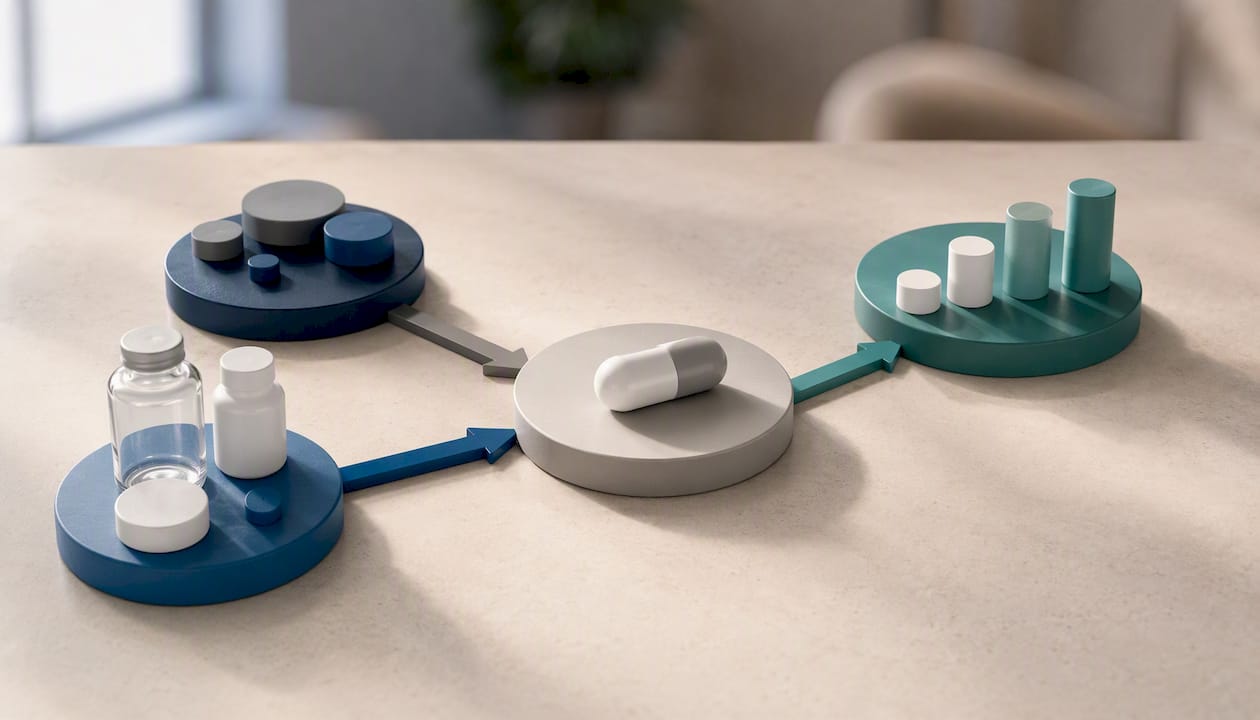
Matching the setting to the severity of the situation is often the difference between a plan that works and one that falls apart in week two. Here is how the main levels of care break down:
- Medical detox manages acute physical withdrawal under clinical supervision. This is the right starting point when substance use is severe, withdrawal carries medical risk (alcohol and benzodiazepine withdrawal can be life-threatening), or the home environment is not safe enough to detox in.
- Residential treatment provides 24-hour structure after detox, combining therapy, medical oversight, and daily stability. This fits when BPD symptoms are severe, suicidal ideation is present, or previous outpatient attempts have failed.
- Intensive outpatient (IOP) or partial hospitalization delivers several hours of therapy multiple days a week while the person lives at home. This works once acute risk has dropped and the person has a stable, supportive living situation.
- Assertive community treatment (ACT) and intensive case management (ICM) wrap ongoing support, home visits, and coordination with other services around people who need extra help staying engaged over the long term.
The NCBI clinical guidance on treatment settings notes that outcomes across these models vary, and the fit between the person and the setting matters as much as which model is technically “best.” The typical sequence moves from stabilization, medical and psychiatric, toward increasingly independent levels of care, with skills-based therapy running throughout rather than starting only after detox ends. Understanding what detox stabilization actually involves before you call a program gives you a much better sense of what the first days will look like.
How Do You Choose the Right Program?
A short intake call reveals more than a glossy website ever will, if you ask the right questions.
Bring this checklist to any admissions conversation:
- Who is on the clinical team, and do the mental health and addiction specialists meet regularly to coordinate one shared plan?
- Is DBT offered as full individual therapy plus a skills group, not just one or the other?
- What medication-assisted treatment options are available on-site, and who prescribes and monitors them?
- What is the crisis protocol if a patient becomes suicidal mid-program?
- How are families involved, and what does aftercare planning look like after discharge?
A few answers should raise concern immediately. If a program cannot describe how its SUD staff and mental health staff communicate, or if benzodiazepines seem to be the default answer for anxiety and agitation, keep asking questions. The same goes for any program with no clear suicide or crisis plan ready to describe on the spot.
Pro Tip: Ask to see a sample treatment plan, with identifying details removed. A program built for true integration will show one document covering both diagnoses; a program running parallel tracks will show you two.
Verification takes five extra minutes and saves months of wasted time. Confirm state licensing and any national accreditation, ask directly about insurance coverage and bed availability, and request the dual diagnosis program details in writing before committing to admission.
What Happens During a Crisis or Relapse?
If someone is actively suicidal or has overdosed, call 911 or the 988 Suicide and Crisis Lifeline immediately, or go straight to an emergency room. That decision should never wait for a scheduled appointment.
Medical detox exists specifically to manage the physiological side of this danger, monitoring vital signs and administering medication to keep withdrawal from becoming a medical emergency. Alcohol and benzodiazepine withdrawal in particular can trigger seizures without proper supervision.
Relapse, when it happens, is not proof that treatment failed. Programs built around integrated, evidence-based dual-diagnosis care treat relapse as clinical information rather than a disciplinary event, and they move quickly to re-engage the patient rather than discharging them. Good safety planning happens before a crisis, not during one:
- Identify specific warning signs (sleep changes, isolation, substance-seeking behavior) that precede past crises.
- Keep crisis line numbers and the treatment team’s after-hours contact visible and accessible, not buried in a drawer.
- Agree in advance on what family members should say and do if they notice those warning signs returning.
How Sylmar Treatment Center Structures Integrated Care
Some treatment centers run programs around the integrated, stage-wise model this article describes, offering a sequence covering both BPD and co-occurring addiction typically needed:
- Medical detoxification for safe, supervised withdrawal management.
- Residential treatment for structured, 24-hour stabilization and therapy.
- Dual diagnosis support that treats the mental health condition and the substance use disorder as one coordinated plan, not two separate tracks.
- Medication management with psychiatric oversight for both MAT and any symptom-targeted prescribing.
- Individualized treatment programs built around a full clinical assessment rather than a fixed schedule.
What can set a treatment setting apart is scale; smaller facilities may allow closer, more personalized contact between clients and staff than larger units typically allow. Some centers hold state licenses and national accreditations, signals worth asking any program to confirm. Admissions may run 24/7, with a process starting with an intake call, comprehensive assessment, and custom care plan before treatment.
What Recovery Actually Looks Like Over Time
Recovery from BPD with a co-occurring addiction rarely follows a straight line, and expecting one sets families up for disappointment. Meaningful change in emotional regulation and substance use typically takes months of consistent skills practice, not weeks. Setbacks are common, often tied to the same impulsivity and emotional intensity that brought someone into treatment in the first place, not a sign the plan has failed.
Dropout risk stays real throughout treatment, which is why the strongest programs build in phone coaching, flexible scheduling, and rapid re-engagement after a missed session or a lapse. Families help most by staying consistent and calm rather than reactive, learning the same boundary-setting skills the patient is learning, and treating a rough week as data rather than a crisis.
— Jim
Get Immediate, Integrated Help at Sylmar Treatment Center
If you have read this far, you already understand why treating BPD and addiction separately tends to fail: the two conditions feed each other, and splitting the care team splits the plan. Sylmar Treatment Center is built around the opposite approach. Its six-bed setting means the medical, psychiatric, and therapy team stays small enough to actually coordinate on one plan for one person, instead of the fragmented handoffs that happen at larger facilities.
The typical path starts with a call to admissions, available 24/7, followed by a full clinical assessment that looks at both the addiction history and the BPD symptoms together. From there, a custom care plan sequences medical detox if needed, moves into residential stabilization, and layers in DBT-informed therapy through the dual diagnosis support program. If withdrawal risk is the immediate concern, medical detoxification is the right first call to make. If you are further along and need structured, integrated residential care, ask directly about bed availability and insurance coverage when you call.
Sources
This article is general information, not a substitute for advice from a qualified doctor. Consult a qualified healthcare professional about your own circumstances before acting on anything here.
FAQ
Can you live with BPD without medication?
Yes. Many people manage BPD symptoms primarily through psychotherapy, especially DBT, without relying on medication as the core treatment. Medication is more consistently useful for co-occurring conditions like a substance use disorder, where options like buprenorphine or naltrexone have stronger evidence than most drugs used for core BPD symptoms.
Do people with BPD have addiction issues?
Substance use disorders are common among people with BPD, not rare. About 78% of adults with BPD develop a substance-related disorder at some point in their lives, largely because substances offer fast, if temporary, relief from the emotional dysregulation that defines the disorder.
What do people with BPD feel on a daily basis?
People with BPD often experience emotions with unusual intensity and speed, moving through fear of abandonment, anger, emptiness, and impulsivity within the same day. Difficulty naming these emotions, known as alexithymia, is also common and can make traditional talk therapy harder without added skills training.
How can someone with borderline personality disorder get help?
Start by seeking a program that treats BPD and any co-occurring addiction together, rather than sending you to two separate providers who don’t coordinate. Facilities like Sylmar Treatment Center offer 24/7 admissions and a full clinical assessment that leads into an individualized, integrated treatment plan.