

Gabapentin withdrawal symptoms usually start within 12 to 48 hours of the last dose, often peak around day 3, and generally settle within one to two weeks. A smaller group of people, especially those on high doses for months or years, deal with lingering symptoms for weeks or even months. Seizures, severe agitation, or suicidal thoughts are medical emergencies that need immediate evaluation, not a wait-and-see approach.
TL;DR:
- Withdrawal symptoms peak around day 3 and most commonly resolve within one to two weeks for individuals with typical dose and health status.
- Higher doses taken over extended periods, especially with kidney impairment or polypharmacy, increase the risk of prolonged and severe withdrawal symptoms.
- Emergency symptoms such as seizures and suicidal thoughts require immediate medical evaluation, not home management or waiting.
- Gradual tapering, with reductions of 5 to 10 percent every two to six weeks, minimizes withdrawal severity and risks, particularly for high-dose, long-term users.
- Supportive care measures like maintaining sleep, hydration, and communication with a healthcare professional are crucial for managing mild symptoms at home.
Table of Contents
- What Is the Gabapentin Withdrawal Timeline, Stage by Stage?
- What Symptoms Show Up at Each Stage, and Which Ones Are Emergencies?
- Which Factors Make Gabapentin Withdrawal Worse?
- How Should You Safely Taper Off Gabapentin?
- How Can You Manage Withdrawal Symptoms Safely at Home?
- When Does Withdrawal Call for Medically Supervised Detox?
- A Clinical Perspective on Timing Your Taper
- Getting Medical Support for a Difficult Taper
- Sources
- FAQ
What Is the Gabapentin Withdrawal Timeline, Stage by Stage?
Gabapentin works by calming overactive nerve signaling, and when you stop taking it, especially abruptly, your nervous system has to relearn how to regulate itself without that dampening effect. That mismatch produces a fairly predictable arc, even though the exact pace differs from person to person.
Clinicians generally describe four phases:
- Early/acute phase (12 to 48 hours after the last dose): This is when the first symptoms typically show up. Anxiety, restlessness, insomnia, and a general “off” feeling are common opening signs, and prescribing information for the drug lists onset usually within 48 hours.
- Peak phase (days 2 through 7): Symptoms tend to intensify here. Nausea, sweating, tremor, and headache often join the anxiety and sleep trouble, and case-series data reviewed in the medical literature shows symptoms frequently peaking around day 3.
- Subacute phase (roughly week 2 through week 4): Most people see a steady decline in intensity during this window. Sleep normalizes first for many, while low-grade anxiety or irritability can linger a bit longer.
- Protracted or post-acute phase (weeks to months): A minority of people, particularly those coming off high, long-term doses, continue to experience anxiety, mood changes, or sleep disruption well past the one-month mark.
Those third and fourth stages are where the timeline gets genuinely unpredictable. One clinical summary puts the most common recovery window at 5 to 14 days, but that’s an average, not a guarantee. Someone tapering off 300 mg twice daily after three months will likely have a shorter, milder course than someone stopping 3,600 mg per day after two years. Individual biology, dose history, and how the taper is managed all shift where you land on that spectrum.
What Symptoms Show Up at Each Stage, and Which Ones Are Emergencies?
Most gabapentin withdrawal symptoms are uncomfortable rather than dangerous, but a small subset demands urgent care. Knowing the difference matters more than knowing the exact day count.
Physical symptoms most people report:
- Nausea and stomach upset
- Sweating and chills
- Tremor or shakiness in the hands
- Headache
- Dizziness or lightheadedness
- Generalized flu-like malaise and body aches
Psychological and cognitive symptoms:
- Anxiety, sometimes severe or panic-like
- Insomnia or fragmented sleep
- Depression or flat mood
- Irritability
- Confusion or trouble concentrating
The drug’s own prescribing information lists seizures and suicidal ideation among reported withdrawal effects, and these are the two red flags that separate routine discomfort from a medical emergency.
Pro Tip: Keep a simple daily log of symptoms and severity during your taper. A written record makes it much easier for your prescriber to tell the difference between expected withdrawal and something that needs a faster medical response.
Seizures can occur even in people with no prior seizure history, particularly after abrupt discontinuation of higher doses. Severe agitation, delirium, or thoughts of self-harm are equally serious and warrant an emergency room visit or a call to a crisis line, not a “wait it out” approach. Milder symptoms like nausea, headache, and mild anxiety usually respond to conservative, at-home care, while seizure activity or acute suicidality needs immediate medical intervention.
Which Factors Make Gabapentin Withdrawal Worse?
Not everyone experiences the same intensity or duration, and a handful of factors reliably predict a rougher course.
- Higher daily dose and longer duration of use. Someone on 2,400 mg per day for a year faces a different withdrawal risk than someone on 300 mg for three weeks.
- Co-prescribed CNS depressants. Combining gabapentin with benzodiazepines or opioids adds complexity, and clinical reviews flag this polypharmacy pattern as a major factor that often requires specialist coordination rather than a solo taper.
- Prior psychiatric history. Pre-existing anxiety, depression, or a history of difficult withdrawals from other medications tends to predict a harder course this time too.
- Older age. Older adults metabolize the drug differently and, according to case-report data, may be more prone to protracted or atypical withdrawal.
- Renal impairment. Since gabapentin clears through the kidneys, reduced kidney function changes how the drug leaves your system and can extend or intensify symptoms.
When you talk to a prescriber about stopping, mention every one of these factors up front. They change how fast or slow a taper should go, and whether you need closer monitoring along the way.
How Should You Safely Taper Off Gabapentin?
Stopping abruptly is the single biggest driver of severe withdrawal, including seizures. Every major piece of deprescribing guidance agrees on one core principle: gradual, individualized reduction beats a fixed formula.
A few concrete approaches drawn from clinical deprescribing resources:
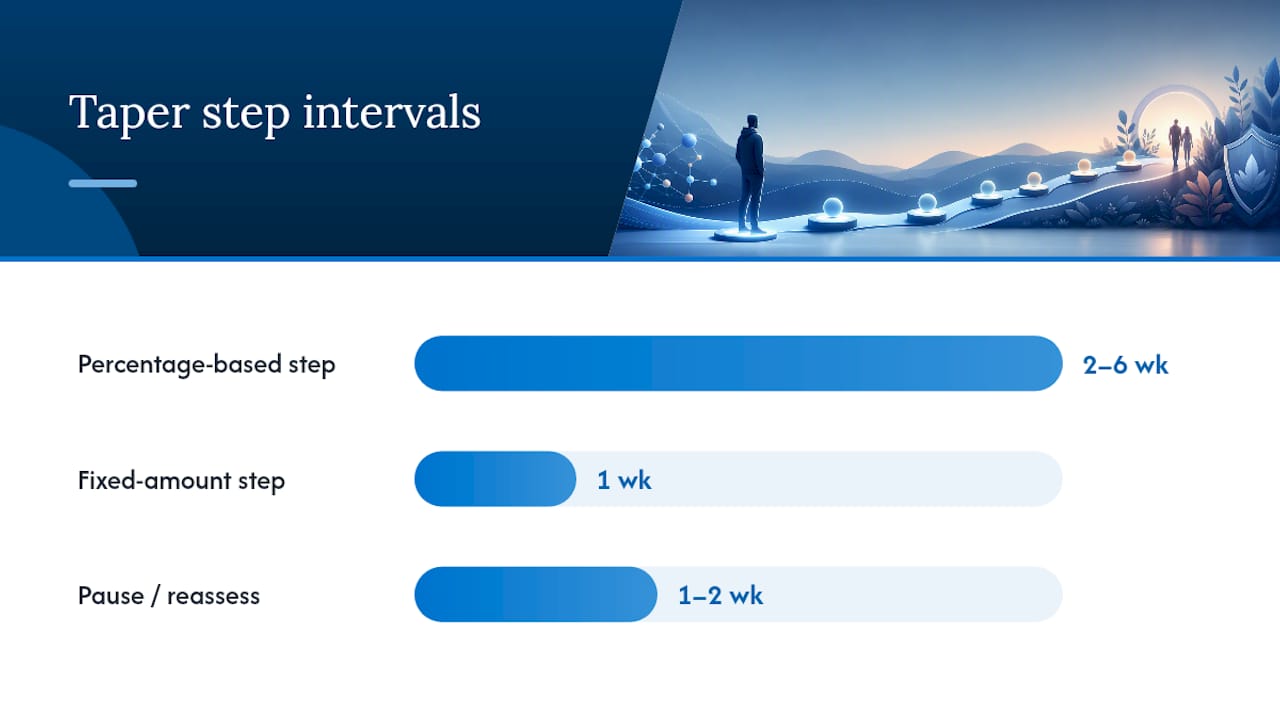
- Percentage-based reduction. Some protocols recommend cutting the dose by 5 to 10 percent every 2 to 6 weeks, adjusting pace based on how symptoms respond.
- Fixed-amount reduction. Other formulary guidance describes reducing by up to 300 mg per week as a pragmatic starting point for people on moderate doses, with slower steps near the end of the taper.
- Pause-and-reassess. If symptoms become intolerable, holding the current dose for a week or two before continuing the reduction is standard practice, rather than pushing through on schedule.
Pro Tip: If withdrawal symptoms spike hard after a dose reduction, don’t tough it out alone. Case reports show that resuming a small dose of gabapentin can resolve severe symptoms within days, which is a strong argument for tapering under medical supervision rather than guessing at home.
Regulatory labeling for brands including Neurontin explicitly warns against abrupt discontinuation, and that warning applies across formulations, including Gralise and Horizant, since all three deliver the same active drug on different release schedules. If an outpatient taper fails twice, or if you develop seizure activity, severe psychiatric symptoms, or signs of delirium, that’s the trigger to move from a self-managed taper to a supervised medical setting.
How Can You Manage Withdrawal Symptoms Safely at Home?
Most routine symptoms respond well to basic supportive care, as long as you avoid a few common mistakes.
- Protect your sleep. Keep a consistent bedtime, limit screens before bed, and avoid caffeine late in the day. Insomnia is one of the earliest and most disruptive symptoms, and stabilizing it often takes pressure off everything else.
- Stay hydrated and eat regularly. Nausea and sweating during peak withdrawal can lead to dehydration and low blood sugar, both of which make anxiety and tremor worse.
- Pace physical activity. Light walking helps some people; pushing through intense exercise while nauseated or dizzy usually backfires.
- Ask your prescriber about short-term symptomatic support. An antiemetic for nausea or a short-term sleep aid may be appropriate, but benzodiazepines carry their own dependence risk and should only be used under close direction.
- Never self-medicate with alcohol or unprescribed drugs. Alcohol in particular interacts with the same nervous-system pathways gabapentin affects, and mixing the two during withdrawal raises seizure risk rather than lowering it.
Escalate immediately if you notice seizure activity, a sharp worsening in mood, or any thought of harming yourself.
When Does Withdrawal Call for Medically Supervised Detox?
Inpatient care makes sense when someone has a seizure history, severe psychiatric symptoms, polysubstance use, or a taper that’s already failed once outpatient. Medical detox provides 24/7 monitoring and medication management to stabilize the nervous system safely. Sylmartreatmentcenter’s six-bed, DHCS-licensed setting reflects the kind of close, personalized monitoring higher-risk cases often need.
A Clinical Perspective on Timing Your Taper
Most people who taper carefully feel close to normal within one to two weeks, but that range isn’t a promise. Build a plan with your prescriber before you cut a single dose, and put a support person in the loop who knows the warning signs. If you notice a seizure, severe agitation, or thoughts of self-harm at any point, treat it as an emergency and get evaluated right away, not as something to manage on your own.
— Jim
Getting Medical Support for a Difficult Taper
If a home taper has already failed once, or your risk factors point toward a rough course, self-management alone isn’t the safest route. A small, licensed and accredited facility built specifically for cases like this, where medical detox, medication management, and dual diagnosis support happen under one roof instead of being pieced together across appointments.

The center’s Medical Detoxification program provides around-the-clock monitoring during the highest-risk days of withdrawal, while Medication Management keeps a prescriber directly involved in adjusting your taper as symptoms change. For anyone dealing with co-occurring anxiety, depression, or another mental health condition alongside gabapentin dependence, Dual Diagnosis Support addresses both at once rather than treating them separately. After stabilization, Residential Treatment continues the work in a structured setting.
Admissions are open 24/7. Call to talk through your situation or verify insurance coverage before you decide anything.
Sources
- DailyMed: Gabapentin prescribing information
- NCBI review article on gabapentin withdrawal
- Gabapentinoid deprescribing guidance (Lancashire & South Cumbria formulary)
- Journal of the American Geriatrics Society: Gabapentin withdrawal case report and literature review
This article is general information, not a substitute for advice from a qualified doctor. Consult a qualified healthcare professional about your own circumstances before acting on anything here.
FAQ
Do You Have to Wean Off 300 mg of Gabapentin?
Yes, even a relatively low dose like 300 mg per day should be tapered rather than stopped abruptly. Deprescribing guidance recommends gradual dose reductions regardless of dose size, since abrupt cessation raises the risk of withdrawal symptoms and seizures even at modest doses.
Why Is Gabapentin So Hard to Stop?
Gabapentin calms overactive nerve activity, and your nervous system adapts to that effect over time. Stopping suddenly leaves that system temporarily overactive, which is why symptoms like anxiety, insomnia, and tremor appear within 12 to 48 hours of the last dose.
What Happens If You Stop Taking Gabapentin Suddenly?
Abrupt discontinuation can trigger a cluster of withdrawal symptoms, including nausea, sweating, tremor, anxiety, and insomnia, and in more serious cases, seizures. Case reports show that reintroducing gabapentin can resolve severe symptoms within days, which is why medical guidance strongly favors a supervised taper over quitting cold.
Does Magnesium Help With Gabapentin Withdrawal?
There’s no strong clinical evidence that magnesium supplementation treats gabapentin withdrawal directly, and it should never replace a medically supervised taper. Basic supportive steps like hydration, consistent sleep, and steady nutrition have a clearer role in easing symptoms during the withdrawal window.
How Long Does Gabapentin Take to Leave Your System?
Gabapentin generally clears from the body within about a day or two for most people with normal kidney function, though withdrawal symptoms can outlast the drug’s presence in your bloodstream. Symptoms typically peak within the first week and resolve within 5 to 14 days for most people, though renal impairment can slow clearance and extend the timeline.