

Nutrition in detox does not flush toxins from your body. It stabilizes blood sugar, replaces lost fluids and electrolytes, and corrects the deficiencies that alcohol and drug use leave behind, which together ease withdrawal severity. Food and hydration are supportive tools, not a cure. Anyone in moderate to severe withdrawal, especially from alcohol, benzodiazepines, or opioids, needs medical supervision, not a meal plan alone.
TL;DR:
- Proper nutrition supports liver and kidney functions during detox but cannot replace medical supervision in moderate or severe withdrawal.
- Extreme diets or juice cleanses offer no evidence of faster toxin elimination and may worsen dehydration and electrolyte imbalances.
- A nutrient-dense diet with fruits, vegetables, fiber, and fermented foods replenishes essential vitamins, minerals, and gut bacteria critical for recovery.
- During withdrawal, priority nutrients include hydration, electrolytes, protein, complex carbohydrates, healthy fats, and repletion of deficiencies like thiamine and magnesium.
- Food alone cannot rapidly correct severe deficiencies or replace lab-guided treatment, emphasizing the importance of medical oversight and tailored care.
Table of Contents
- How Your Body Actually Detoxifies
- Why a Balanced, Whole-Food Diet Matters Right Now
- Key Nutrients Your Body Needs During Detox
- Foods That Help During Acute Detox
- Foods and Substances to Avoid
- Correcting Deficiencies Safely
- Eating Through the First Two Weeks of Withdrawal
- Building a Simple Nutrition Plan for Detox
- Why Supervised Nutrition Care Outperforms DIY Plans
- What Actually Matters Most in Nutrition-Based Detox Support
- How Sylmar Treatment Center Supports Nutrition-Focused Recovery
- Sources
How Your Body Actually Detoxifies
Your liver and kidneys handle the real detoxification work, filtering waste and metabolizing substances around the clock. Good nutrition supports those organs by supplying the enzymes and cofactors they need to function. It doesn’t replace them.
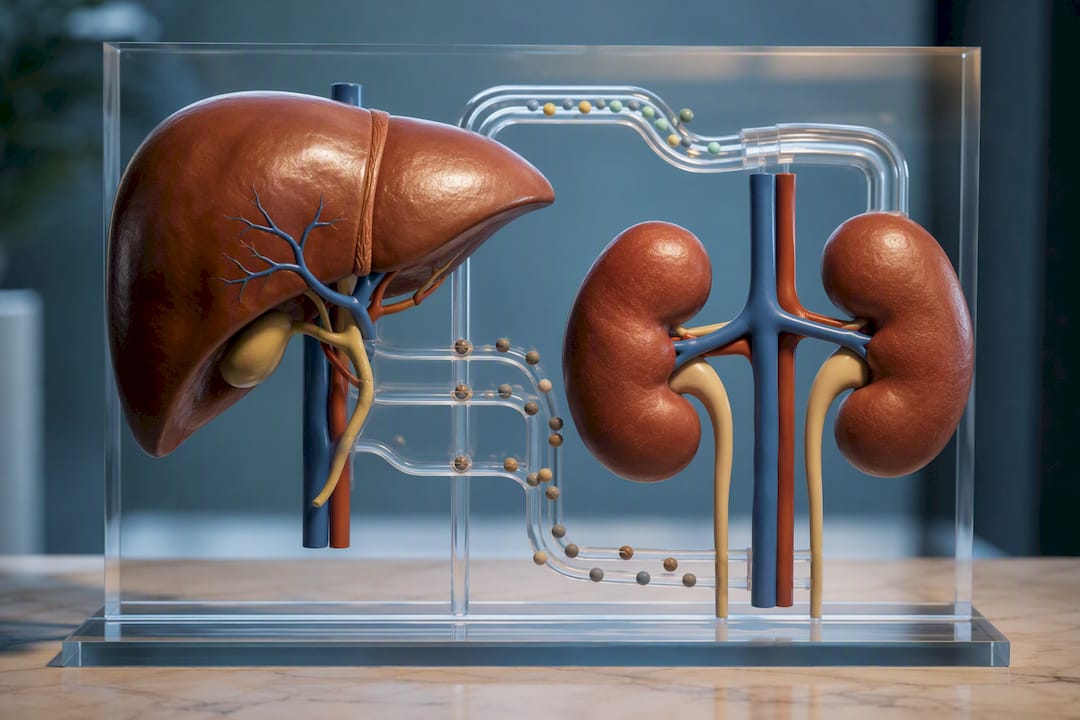
There’s no strong evidence that juice cleanses or restrictive “detox diets” remove toxins any faster than a normal, balanced diet. A 2015 review found no compelling evidence that these regimens eliminate anything the liver and kidneys don’t already handle, and the weight loss they produce is mostly water and calorie restriction that tends to rebound.
During withdrawal, extreme diets can actively hurt you:
- Your body needs steady energy to manage withdrawal symptoms, not caloric deprivation.
- Fasting or juice-only regimens can worsen dehydration and electrolyte imbalances already caused by substance use.
- Enzyme systems already stressed by alcohol or drug metabolism don’t benefit from further restriction.
Why a Balanced, Whole-Food Diet Matters Right Now
A nutrient-dense eating pattern gives your body the raw materials it needs to repair tissue, stabilize mood, and recover organ function faster. Whole foods, not supplements or superfoods, do most of that work.
Dietitians recommend 5 to 9 servings of fruits and vegetables daily along with fiber and fermented foods to help repair a gut microbiome disrupted by substance use. That matters more than most people realize. A damaged gut lining affects everything from nutrient absorption to inflammation levels.
Three things a balanced diet does during detox:
- Supplies the vitamins, minerals, and antioxidants your liver needs for repair.
- Keeps blood sugar steady, which reduces cravings and mood swings.
- Feeds beneficial gut bacteria through fiber and fermented foods, supporting immune and digestive recovery.
Key Nutrients Your Body Needs During Detox
Certain nutrients matter more than others in early withdrawal, and knowing which ones lets you make better choices at every meal.
Hydration and electrolytes. Vomiting, diarrhea, and sweating during withdrawal drain sodium and potassium fast. Oral rehydration solutions, broths, and coconut water help replace what’s lost. If someone can’t keep fluids down or shows signs of severe dehydration, that’s a signal for IV fluids and clinical support, not another glass of water.

Protein for tissue repair. Eggs, plain yogurt, poultry, and legumes are easy to digest and supply the amino acids your body needs to rebuild damaged tissue, including liver cells.
Complex carbohydrates for blood sugar stability. Oats, brown rice, sweet potatoes, and whole grains release glucose slowly, which prevents the crashes that intensify anxiety and cravings.
Healthy fats. Omega-3s from fish, walnuts, and olive oil support brain function and help control inflammation during a period when the nervous system is already overworked.
Vitamins and minerals. Thiamine, B-complex vitamins, magnesium, potassium, folate, and vitamin D are commonly depleted by chronic substance use. Research on nutritional deficiencies in substance use shows people entering treatment often present with low B vitamins, vitamin D, iron, and magnesium, even when their calorie intake looks adequate on paper. Substance use interferes with absorption, not just intake.
- Hydration: broths, oral rehydration solutions, coconut water
- Protein: eggs, yogurt, poultry, lentils
- Carbs: oats, brown rice, sweet potatoes
- Fats: fatty fish, walnuts, olive oil
- Micronutrients: thiamine, B-complex, magnesium, folate, vitamin D
Foods That Help During Acute Detox
When nausea and appetite loss make eating hard, these options tend to sit well and do real repletion work.
- Bland starches, like toast, plain oatmeal, and white rice, are gentle on an unsettled stomach and provide steady carbohydrate energy.
- Bananas, oranges, and leafy greens replace potassium and other electrolytes lost through vomiting or sweating.
- Broths and soups rehydrate while delivering sodium and a bit of protein without demanding much of the digestive system.
- Fermented foods, including yogurt, kefir, and sauerkraut, reintroduce beneficial bacteria to a gut microbiome that substance use often disrupts.
- Simple snack pairings, like an apple with nut butter or yogurt with oats, combine carbs and protein for sustained energy between small meals.
Foods and Substances to Avoid
Some foods actively work against you during withdrawal, either by spiking blood sugar, upsetting digestion, or interacting with medications.
- Refined sugar and simple carbs cause rapid blood sugar spikes followed by crashes that intensify cravings and irritability.
- Fried and greasy foods slow gastric emptying and frequently trigger nausea when the stomach is already sensitive.
- Caffeine can worsen anxiety, tremor, and insomnia. Tapering it gradually, rather than cutting it cold, usually works better than abrupt withdrawal on top of withdrawal.
- Herbal cleanses and high-dose supplements taken without a clinician’s approval risk interacting with withdrawal medications or masking underlying deficiencies that need lab-guided treatment.
Correcting Deficiencies Safely
Chronic alcohol and drug use depletes specific nutrients in predictable ways, and correcting them requires more precision than “eat healthier.”
Thiamine deficiency is the most urgent concern in alcohol withdrawal. Giving carbohydrates before administering thiamine can trigger Wernicke’s encephalopathy, a serious neurological complication. Clinical guidance calls for thiamine first, carbohydrates second, every time. This is not a step to skip or reorder based on how someone feels that day.
Beyond thiamine, common repletion targets include:
- B-complex vitamins, often depleted alongside thiamine
- Magnesium, frequently low in chronic alcohol use and linked to tremor and seizure risk
- Vitamin D and folate, both commonly low on lab panels at intake
Food alone moves too slowly to correct a severe thiamine deficit in early withdrawal. Clinical dosing gets ahead of the neurologic risk faster than diet can. That’s why Academy of Nutrition and Dietetics guidance recommends professional consultation before taking high-dose vitamins or minerals, since some interact with withdrawal medications and dosing should be guided by lab results, not guesswork.
Pro Tip: If you’re managing withdrawal at home under medical guidance, ask your provider which labs they’re tracking (thiamine, magnesium, folate) so you know exactly what “improvement” should look like on paper, not just how you feel.
Eating Through the First Two Weeks of Withdrawal
Nutrition needs shift as withdrawal symptoms evolve, and matching food choices to each phase makes recovery smoother.
- First 72 hours: Focus on small, frequent sips of fluids and bland carbohydrates like crackers or toast. If alcohol is involved, thiamine should be administered before any carbohydrate load. Watch closely for dehydration signs, including dizziness, dark urine, or an inability to keep fluids down.
- Days 3 through 14: Gradually increase protein and vegetable intake as appetite returns. Introduce fermented foods to support gut repair, and continue replacing electrolytes lost during the acute phase.
- Early recovery weeks: Shift focus toward rebuilding lean body mass and supporting sleep through consistent meal timing and adequate protein.
Escalate to medical care immediately if someone develops confusion, seizures, a racing heart, or is unable to hold down any fluids for more than a few hours.
Building a Simple Nutrition Plan for Detox
A realistic 24-hour plan during early withdrawal might look like small bland meals every two to three hours: crackers and broth on waking, oatmeal with banana midmorning, rice and scrambled eggs at midday, yogurt with a piece of fruit in the afternoon, and toast with soup in the evening, with electrolyte fluids sipped throughout.
Stock a shopping list with staples that require little prep: oats, rice, bananas, broths, plain yogurt, eggs, and frozen vegetables. When you talk to your treatment team, mention any nausea, vomiting frequency, appetite changes, and known substance history, since these details shape which labs they order.
Pro Tip: Consistency beats perfection. Eating small amounts on a predictable schedule does more for withdrawal symptoms than any single “superfood” ever will.
For a broader pre-admission checklist, preparing your body before starting a detox program covers steps beyond food alone.
Why Supervised Nutrition Care Outperforms DIY Plans
Nutrition works best as part of a clinically managed detox, where supplementation and lab-driven dosing catch deficiencies before they become dangerous. Programs built around individualized treatment plans integrate nutrition assessments into the broader medical picture rather than treating food as an afterthought. Talk to your treatment team or a registered dietitian nutritionist before starting any high-dose supplement regimen on your own.
What Actually Matters Most in Nutrition-Based Detox Support
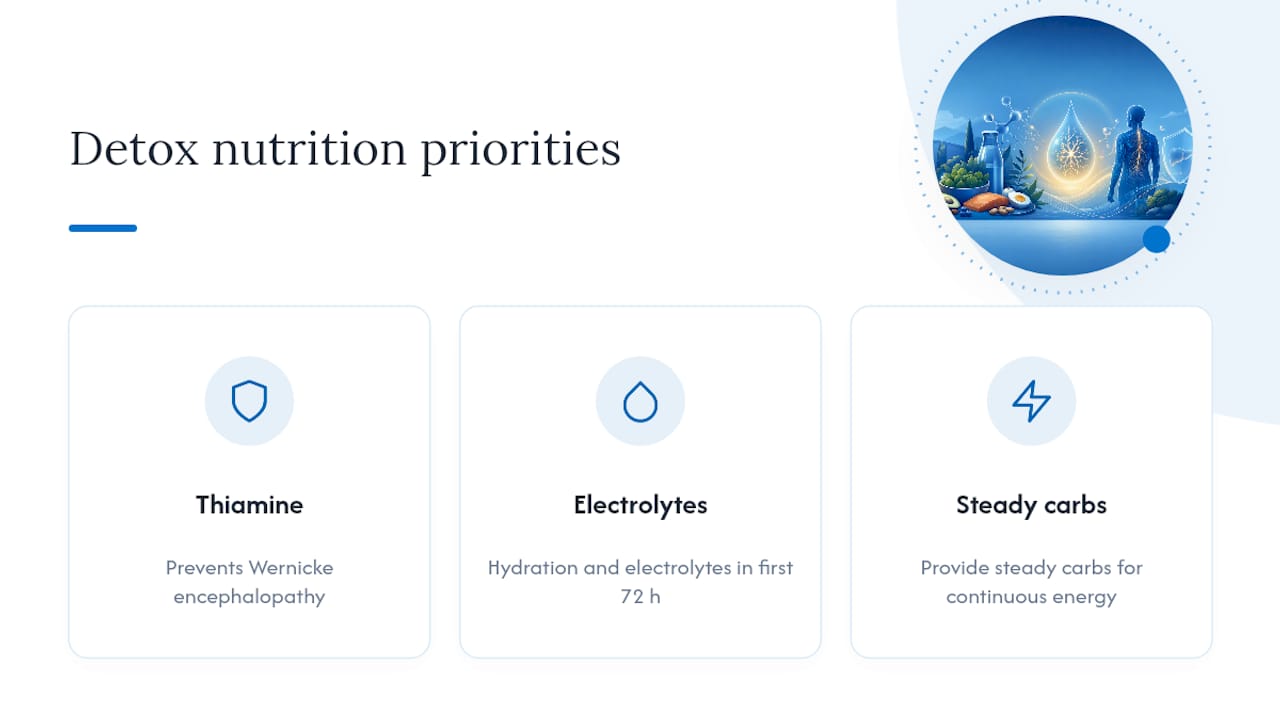
Most advice about detox nutrition gets the emphasis backward. People search for superfoods and cleanse ingredients when the real leverage sits in unglamorous basics: electrolyte replacement, steady carbohydrate intake, and getting thiamine into an alcohol-dependent body before anything else. The thiamine-first rule alone prevents a serious, permanent neurological injury, and it gets buried under wellness content chasing antioxidant buzzwords.
The conventional wisdom oversells what food can do and undersells timing. A perfect meal plan delivered on day one of severe alcohol withdrawal, without medical oversight, can still miss a dangerous magnesium or thiamine deficit that only labs would catch. Food is not a substitute for monitoring.
If you take one thing from this, prioritize hydration and electrolyte replacement in the first 72 hours, defer to a clinician on supplement dosing, and don’t confuse a bland diet of rice and broth with weakness. That diet is doing exactly what your body needs right now.
— Jim
How Sylmar Treatment Center Supports Nutrition-Focused Recovery
Nutrition support is best integrated directly into medically supervised detox, following a detailed Step by Step Detox Protocol, rather than treated as a separate add-on. Individualized care plans shaped by comprehensive assessments, lab-informed supplementation, and round-the-clock clinical oversight provide personalized attention in a small residential setting.

An intimate setting allows staff to catch complications like thiamine deficiency or electrolyte imbalance early, instead of relying on clients to self-report symptoms in a crowded facility. Licensed and accredited facilities provide families with assurance of quality care.
If you or someone you love is heading into withdrawal and needs more than a meal plan, explore Sylmar’s programs or reach out through admissions to talk through next steps with a team available 24/7.
Sources
- Detoxes and cleanses: What you need to know — NCCIH
- What’s the deal with detox diets? — Academy of Nutrition and Dietetics