

Residential programs advertise stays of varying lengths, and some therapeutic communities run for extended periods. Both ASAM and NIDA say the final length should follow clinical need, not a preset calendar. Detox is usually a separate, shorter phase, not the whole stay. At Sylmar Treatment Center, we build every length recommendation on a clinical assessment.
TL;DR:
- NIDA says many people need at least three months for significant benefit, but clinicians should adjust duration as needs and stability change.
- SAMHSA reports median residential stays of 22 days for short term care and 58 days for long term care; completers stayed longer.
- Detox typically lasts a few days to about 10 days, and some programs count it separately from advertised residential treatment length.
- Insurance may approve care in blocks, so ask for written clinical criteria, schedule reviews before authorization ends, and clarify whether extensions require documented medical necessity.
- Before discharge, book appointments for step down care, outpatient therapy, medication management, and peer support to prevent gaps in treatment.
Table of Contents
- How long is residential rehab, program by program?
- What decides how long your stay lasts?
- How long does detox last, and how does it fit in?
- What does research say about treatment length and outcomes?
- How do insurance authorizations affect your stay?
- How should you plan step-down care and aftercare?
- How do you choose the right length for you?
- Why clinical judgment should beat marketing
- Get an assessment for a length that fits you
- FAQ
- Sources
How long is residential rehab, program by program?
Each common length tends to do a different job, so it helps to know what you are actually buying.
- Short stays: These may suit people with milder needs or strong supports at home. The focus is stabilization, education, and a handoff to outpatient care.
- A shorter stay: This can cover stabilization, early therapy, and an initial relapse-prevention plan. Insurer authorization practices vary.
- A longer stay: Additional time can allow deeper therapy work. This may fit people with more complex histories or those who need time to build routines.
- Three months or longer: NIDA notes that many people need at least three months for significant benefit. The appropriate duration depends on clinical need.
- Extended stays: Long-term therapeutic communities focus on resocialization, including rebuilding work habits, relationships, and daily structure.
Treat the number on a brochure as a starting point. What matters is what happens in those days.
What decides how long your stay lasts?
Length comes from several factors working together, and a good clinician will walk you through each one.
- Severity and substance type: Heavier use and polysubstance use usually call for more intensive, longer care.
- Co-occurring mental health conditions: Depression, anxiety, or trauma need integrated treatment, which often takes more time. The link between mental health and addiction offers useful background.
- Withdrawal intensity: A harder withdrawal can affect the start and course of your admission.
- Legal conditions: Court-directed placements may affect the treatment plan. Check the applicable requirements with the court or a qualified professional.
- Insurance authorization: Medical necessity reviews often shape the planned stay.
- Retention risk: Many people leave in the first few weeks, so ask what supports a program uses to help people stay.
Pro Tip: Ask the clinical team to write down which factors they weighed in recommending your length, so you can reference them in any insurance review.
Our ASAM levels of care guide explain how reassessment keeps the plan matched to your needs over time.
How long does detox last, and how does it fit in?
Detox treats acute withdrawal. It is medical, brief, and not the same thing as treatment for the underlying disorder. Residential therapy is where behavior change and relapse prevention happen.
- Detox commonly runs from a few days up to about 10 days, depending on the substance and your medical needs.
- Once withdrawal is stable, therapy, skills work, and planning take over.
- Some programs list detox separately from the “30-day” or “60-day” figure, so ask whether the advertised length includes it.
Timelines differ widely by substance, which we cover in our detox length by substance overview.
What does research say about treatment length and outcomes?
The evidence points in one direction: longer, well-matched treatment generally goes with better results. NIDA’s research-based guide states that treatment must adapt to changing patient needs and that many people need at least three months for significant benefit.
National discharge data show how real stays compare with that ideal. The SAMHSA Treatment Episode Data Set reports a median stay of 22 days for short-term residential and 58 days for long-term residential treatment, with longer medians among people who complete treatment.
- Longer participation is broadly linked with better outcomes.
- A randomized-trial analysis found that clients who stayed at least 80 days benefited from continuing up to six months, though results beyond certain durations were inconsistent and attrition reduced real-world effectiveness.
- ASAM’s Criteria FAQ says length of stay is a clinical decision based on intensity of need, with step-up or step-down as stability changes.
The takeaway: aim for a duration your clinicians can justify, then plan the transition that protects your gains.
How do insurance authorizations affect your stay?
Insurers may authorize an initial block of care and then review progress before approving more. Extensions generally depend on documented medical necessity. Medicare and Medicaid rules vary, so confirm specifics for your plan with the admissions team.
- Ask the clinical team for a written summary tied to ASAM-level criteria.
- Schedule insurer case reviews early, not on the last authorized day.
- Keep one person responsible for communicating with the insurer.
- Document withdrawal symptoms, mental health needs, and any relapse risk.
A delay in paperwork can disrupt care, so treat the review as part of treatment planning.
How should you plan step-down care and aftercare?
Discharge planning should begin at intake, not in the final week. After a shorter residential stay, planning an appropriate step-down is especially important.
- Partial hospitalization (PHP) or intensive outpatient (IOP): Schedule the first appointment before you leave.
- Outpatient therapy: Confirm a therapist and a standing weekly time.
- Medication management: Arrange prescriptions and follow-up so there is no gap.
- Peer support: Identify meetings or groups you will attend in the first week home.
- Housing and family: Confirm a stable, sober-supportive place to live and involve family in the plan.
Pro Tip: Book every post-discharge appointment while you are still in residential care, so there is no empty calendar on day one at home.
Our guide to residential treatment versus outpatient care shows how the levels connect, and measuring personal progress helps you track what is working.

How do you choose the right length for you?
Work through the decision in order: clinical need, withdrawal risk, co-occurring conditions, social supports, then payer limits. Our family guide to choosing residential treatment goes deeper on each step.
Questions worth asking any program:
- What criteria do you use to extend or end a stay?
- How often do you reassess the ASAM level of care?
- What are your clinicians’ credentials?
- What does a typical day look like?
- How do you plan aftercare, and when does it start?
Red flags include no clear clinical criteria for discharge and no integrated mental health services. A program that cannot explain why it picked your length is selling a calendar, not care.
Why clinical judgment should beat marketing
I have a firm view on this: a length chosen to fit a brochure is the wrong starting point. Clinical assessment should set the number, and then everyone should protect continuity, because a documented transition plan matters as much as the days themselves. A small setting like ours, with individualized planning, makes it easier to tailor duration to the person instead of the calendar.
— Jim
Get an assessment for a length that fits you
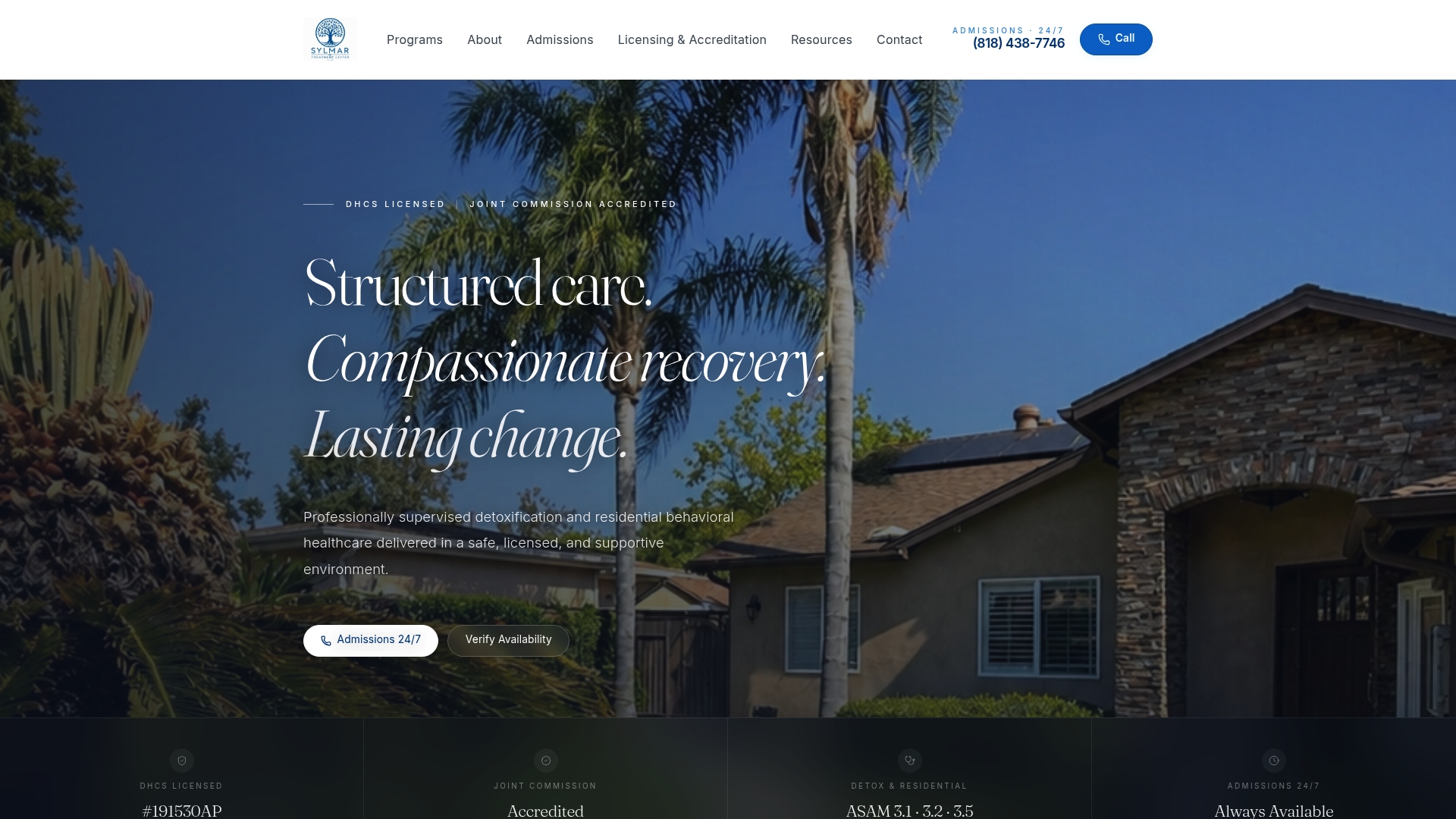
When you are weighing different stay lengths, we start with a clinical assessment so the recommendation reflects your needs. Our services tied to length decisions include:
- Medical Detoxification for supervised withdrawal
- Residential Treatment for the core therapeutic stay
- Dual Diagnosis Support for co-occurring mental health needs
- Individualized Treatment Programs that match care to your clinical picture
We coordinate step-down planning as part of your care. Our admissions team is available to help, so call or contact us through our site to request an assessment today.
This article is general information, not a substitute for advice from a qualified doctor. Consult a qualified healthcare professional about your own circumstances before acting on anything here.
FAQ
How long do you have to stay in rehab?
There is no single required length. Clinicians set it by clinical need, and NIDA notes that many people benefit from at least three months of treatment. Court or insurance conditions may also affect the plan.
How long is a typical treatment episode at a residential program?
It depends on the type of program. SAMHSA’s discharge data report a median of 22 days for short-term residential and 58 days for long-term residential treatment.
How long will insurance allow you to stay in a rehab facility?
Many insurers authorize an initial block of care, then review medical necessity before approving more. Medicare and Medicaid rules vary, so check your specific plan with the admissions team.
Is detox part of the 30-, 60-, or 90-day count?
It depends on the program. Detox duration varies, and some programs list it separately, so ask whether the advertised length includes it.
Sources
- Criteria FAQ
- Principles of Drug Addiction: A Research-Based Guide (Third Edition)
- Treatment Episode Data Set (TEDS)
- Planned duration of residential drug abuse treatment: efficacy versus effectiveness - PubMed